
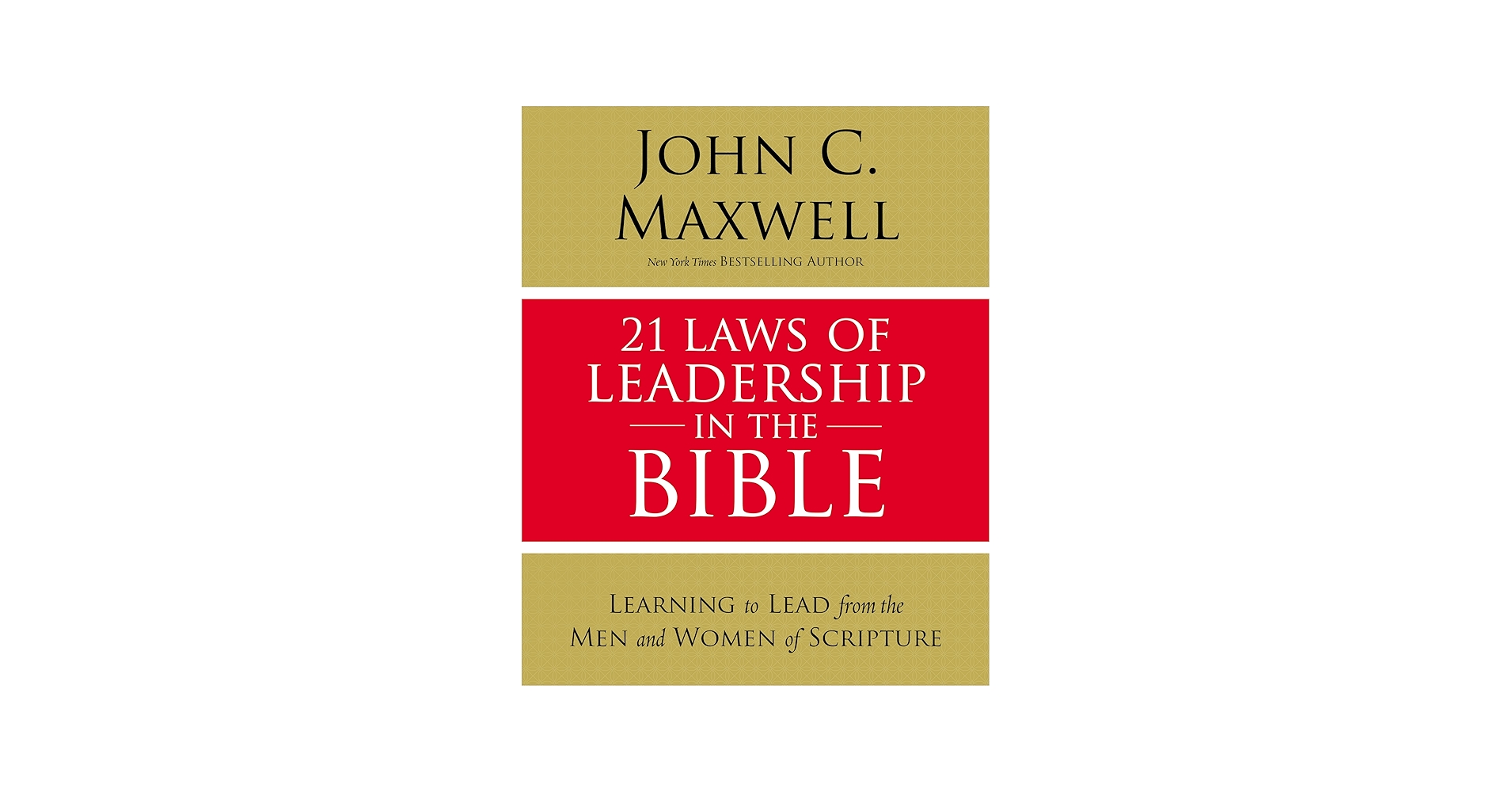
Have you ever wondered what lessons on leadership can be learned from the timeless teachings of the Bible? In this blog post, we will explore the 21 Laws of Leadership as outlined in the Bible, and discover how these principles can benefit leaders in all aspects of life. The Bible is not only a spiritual guide but also a treasure trove of wisdom that can shape and enhance our leadership abilities.
By studying the 21 Laws of Leadership in the Bible, we can gain valuable insights into effective leadership practices that have stood the test of time. These laws provide a solid foundation for leadership development and offer practical guidance on how to lead with integrity, humility, and wisdom. Whether you are a business leader, a community organizer, or a mentor to others, incorporating these biblical principles into your leadership style can help you inspire and empower those around you. Join us on this journey through the pages of the Bible as we uncover the timeless truths that can transform your leadership approach.
Unlocking the Power of Leadership: Exploring the 21 Laws in the Bible
The Bible provides numerous lessons and principles on leadership that are timeless and relevant even in today’s modern world. One concept that stands out is the 21 Laws of Leadership found within the scriptures. These laws serve as a guide for individuals seeking to develop their leadership skills and lead others effectively.
1. Law of Influence: One of the foundational laws of leadership in the Bible is the law of influence. Jesus Christ himself set the example of leading through influence rather than authority. Leaders who lead by example and serve others gain respect and influence among their followers.
2. Law of Integrity: Integrity is emphasized throughout the Bible as a crucial aspect of leadership. Leaders are called to be honest, trustworthy, and consistent in both their words and actions.
3. Law of Vision: Proverbs 29:18 states, “Where there is no vision, the people perish.” Leaders must have a clear vision and communicate it effectively to inspire and motivate their followers towards a common goal.
4. Law of Humility: Jesus taught humility as a key characteristic of a great leader. Leaders are called to serve others selflessly and not to seek their own glory.
5. Law of Courage: Joshua 1:9 encourages leaders to be strong and courageous. Leaders must have the courage to make difficult decisions, face challenges, and lead with conviction.
6. Law of Empowerment: Effective leaders empower and equip their followers to reach their full potential. They delegate responsibilities, provide opportunities for growth, and support their team members.
7. Law of Communication: Clear and effective communication is essential for successful leadership. Leaders must be able to articulate their vision, expectations, and instructions clearly to their team.
8. Law of Accountability: Leaders are accountable for their actions and decisions. They must take responsibility for both successes and failures and hold themselves and their team members accountable.
9. Law of Wisdom: Proverbs is filled with teachings on the importance of wisdom in leadership. Leaders are called to seek wisdom, make wise decisions, and seek counsel from others.
10. Law of Servant Leadership: Jesus exemplified servant leadership by washing his disciples’ feet. Leaders are called to serve and care for those they lead, putting the needs of others before their own.
11. Law of Patience: Leaders must exercise patience in dealing with challenges, setbacks, and the development of their team members. Patience allows leaders to persevere and navigate through difficult times.
12. Law of Resilience: Leaders will face obstacles and setbacks along the way. It is important for leaders to demonstrate resilience, bounce back from failures, and stay committed to their vision.
13. Law of Strategic Planning: Leaders must be intentional and strategic in their planning and decision-making. They should anticipate challenges, set goals, and develop a roadmap for success.
14. Law of Compassion: Compassion is a key trait of effective leaders. Leaders who show empathy, care, and compassion towards others build trust and loyalty among their followers.
15. Law of Team Building: Leaders cannot succeed alone. They must build a strong and cohesive team, bringing together individuals with diverse skills and talents to work towards a common purpose.
16. Law of Encouragement: Leaders should uplift and encourage their team members, acknowledging their efforts and celebrating their achievements. Encouragement boosts morale and motivates individuals to excel.
17. Law of Self-Discipline: Leaders must demonstrate self-discipline in their habits, behaviors, and decisions. Self-discipline enables leaders to stay focused, organized, and consistent in their leadership.
18. Law of Influence: Leaders have the power to influence and inspire positive change in the lives of others. They should use their influence wisely and responsibly to impact their team, organization, and community.
19. Law of Innovation: Leaders must embrace innovation and adapt to changing circumstances. They should encourage creativity, think outside the box, and seek new solutions to challenges.
20. Law of Gratitude: Gratitude is a sign of humility and appreciation. Leaders should express gratitude towards their team members, acknowledging their hard work and contributions.
21. Law of Legacy: Leaders leave a lasting impact on those they lead. They should strive to build a legacy of integrity, service, and empowerment that inspires future generations of leaders.
These 21 laws of leadership in the Bible provide a comprehensive guide for individuals aspiring to grow and develop as effective leaders. By following these principles and embodying the traits of a biblical leader, individuals can make a positive impact on their teams, organizations, and communities.
What is the 21 irrefutable laws of leadership chapter 3?
Chapter 3 of “The 21 Irrefutable Laws of Leadership” by John C. Maxwell is titled “The Law of Process”. In this chapter, Maxwell emphasizes the importance of growth and development in leadership. He stresses that leadership is a journey, not a destination, and that leaders must commit to continuous learning and improvement to reach their full potential. Maxwell discusses how patience and consistency are key components of the leadership process, and that success does not happen overnight. Leaders are encouraged to embrace the journey of growth, practice self-discipline, and remain focused on their long-term goals.
What are the key takeaways from the 21 irrefutable laws of leadership?
“The 21 Irrefutable Laws of Leadership” by John C. Maxwell is a popular book that outlines essential principles for effective leadership. In the context of the Bible, some key takeaways include:
1. Law of Influence: In the Bible, we see examples of leaders who influenced others through their actions and words. Jesus, for instance, modeled servant leadership and inspired his followers to do the same.
2. Law of Navigation: Just as a leader needs to chart a course for their team, biblical figures like Moses navigated the Israelites through the wilderness towards the promised land, relying on God’s guidance.
3. Law of Respect: Respect is crucial for effective leadership, as seen in the way Jesus treated his disciples with love and dignity, even in moments of correction.
4. Law of Legacy: A key principle in the Bible is the idea of leaving a lasting impact through one’s leadership. Leaders like Paul left behind a legacy of faith and perseverance that continue to inspire others.
Overall, the teachings in “The 21 Irrefutable Laws of Leadership” can be applied in a biblical context to help individuals grow as leaders and make a positive impact on those around them.
Why read 21 irrefutable laws of leadership?
Reading “The 21 Irrefutable Laws of Leadership” is beneficial in the context of the Bible because it offers practical insights and timeless principles that can be applied to one’s leadership journey, drawing parallels between effective leadership and biblical teachings. By understanding these laws, one can become a more effective leader, serving others with integrity and wisdom, qualities exemplified by many biblical figures such as Moses, David, and Jesus. Integrating these leadership principles with biblical values can help individuals lead with purpose and impact, making a positive difference in their communities and fulfilling their God-given calling to lead with humility and grace.
What is the law of the lid in 21 Laws of Leadership?
The Law of the Lid in the 21 Laws of Leadership, as outlined by John C. Maxwell, emphasizes that leadership ability determines a person’s level of effectiveness. In the context of the Bible, this law can be seen in how God uses individuals with varying levels of leadership capability to fulfill His purposes. For example, Moses initially doubted his own abilities but eventually led the Israelites out of Egypt with God’s guidance. This highlights the idea that our leadership potential is not limited by our current skills or experience, as God can work through us to achieve great things.