
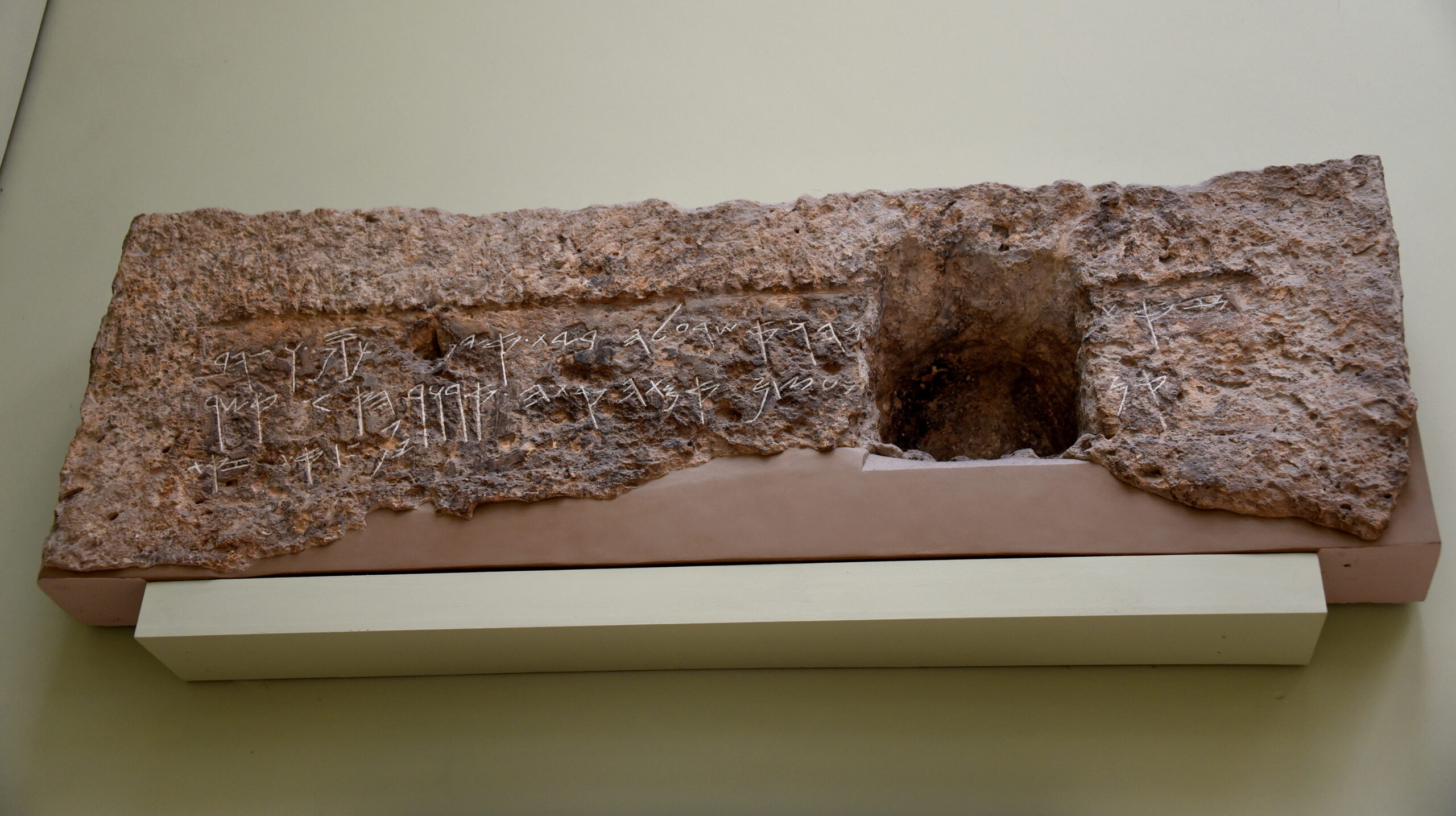
Have you ever come across the term “lintel” while reading the Bible and wondered what it means? In this blog post, we will delve into the significance of lintels in the Bible and how they are used within the context of scripture. Understanding the concept of lintels can provide us with valuable insights into the cultural practices and symbolic meanings that enrich our understanding of biblical stories.
Explore the fascinating world of biblical architecture and symbolism as we uncover the hidden meanings behind lintels in the Bible. By gaining a deeper knowledge of this ancient architectural element, you will be able to appreciate the nuances and layers of meaning embedded within biblical narratives. Join us on this journey of discovery as we unravel the mysteries behind the role of lintels in shaping the stories and messages found in the pages of the Bible.
Unveiling the Significance of Lintel in the Bible: Exploring Its Meaning and Symbolism
In the Bible, a lintel holds significant symbolism and historical importance. The term “lintel” refers to a horizontal beam that spans the top of a doorway or window opening. Lintels are commonly found in ancient architecture and are often mentioned in religious texts, including the Bible.
One of the most notable references to lintels in the Bible is found in Exodus 12:7, where God instructs the Israelites to mark their doorposts and lintels with the blood of a sacrificed lamb during the Passover. This act serves as a sign for the Angel of Death to pass over the houses of the Israelites and spare their firstborn children from the tenth plague inflicted upon Egypt.
The significance of the lintel in this context lies in its role as a symbol of protection and salvation. By obeying God’s commandment to mark their lintels, the Israelites demonstrate their faith and trust in God’s promise of deliverance. The lintel thus becomes a physical marker of their covenant with God and a reminder of His mercy and protection.
Additionally, the concept of the lintel can be interpreted metaphorically in a spiritual sense. Just as the blood on the lintel served as a sign of protection for the Israelites, Christians believe in the atoning blood of Jesus Christ as their ultimate source of salvation and redemption. The lintel, therefore, represents the threshold between sin and righteousness, between death and eternal life.
In Christian theology, the lintel also carries symbolic weight in connection with the concept of Christ as the doorway to salvation. Jesus himself proclaimed in John 10:9, “I am the door. If anyone enters by me, he will be saved.” This imagery reinforces the idea that passing through the lintel – accepting Christ as one’s savior – is the gateway to spiritual freedom and eternal life.
Overall, the lintel in the Bible serves as a powerful symbol of faith, protection, and salvation. Its presence in the narrative not only conveys historical and architectural significance but also conveys profound spiritual truths about God’s grace and the redemptive work of Jesus Christ.
What is a lintel in the Bible?
In the Bible, a lintel refers to the horizontal beam that spans the top of an opening such as a door or a window. It is often mentioned in the context of architectural descriptions in the Old Testament, particularly in relation to instructions for constructing the tabernacle or temple. The concept of the lintel is symbolic of protection and security, as seen in the story of the Passover in Exodus where the Israelites were instructed to mark their doorposts and lintels with the blood of a lamb to protect them from the angel of death.
What is the full meaning of lintel?
In the context of the Bible, a lintel refers to the horizontal beam at the top of a doorway or window. In the Old Testament, specifically during the Passover story in Exodus 12:7, the Israelites were instructed to mark their doorposts with the blood of a lamb so that the Angel of Death would pass over their homes. The blood was to be placed on the lintel and side posts of the doors. This act symbolized protection and deliverance for the Israelites during the final plague in Egypt.
What is the meaning of Lent in the Bible?
Lent is a period of 40 days of fasting, repentance, and prayer that begins on Ash Wednesday and ends on Easter Sunday in the Christian calendar. This period is observed by many Christian denominations, including Catholics, Anglicans, and Lutherans, among others. The purpose of Lent is to prepare for the celebration of the resurrection of Jesus Christ on Easter Sunday. It is a time for believers to reflect on their sins, seek forgiveness, and renew their commitment to their faith. The number 40 is significant in the Bible, as it symbolizes testing, trial, and preparation. In the Bible, Jesus fasted for 40 days in the wilderness before beginning his ministry, which serves as a model for the observance of Lent by Christians today.
What is a lintel in a church?
In a church context, a lintel refers to a horizontal beam that spans the opening of a door or window. In Bible history, lintels were often used in the construction of temples and tabernacles as an architectural feature. In some cases, lintels were also inscribed with important religious symbols or verses.