
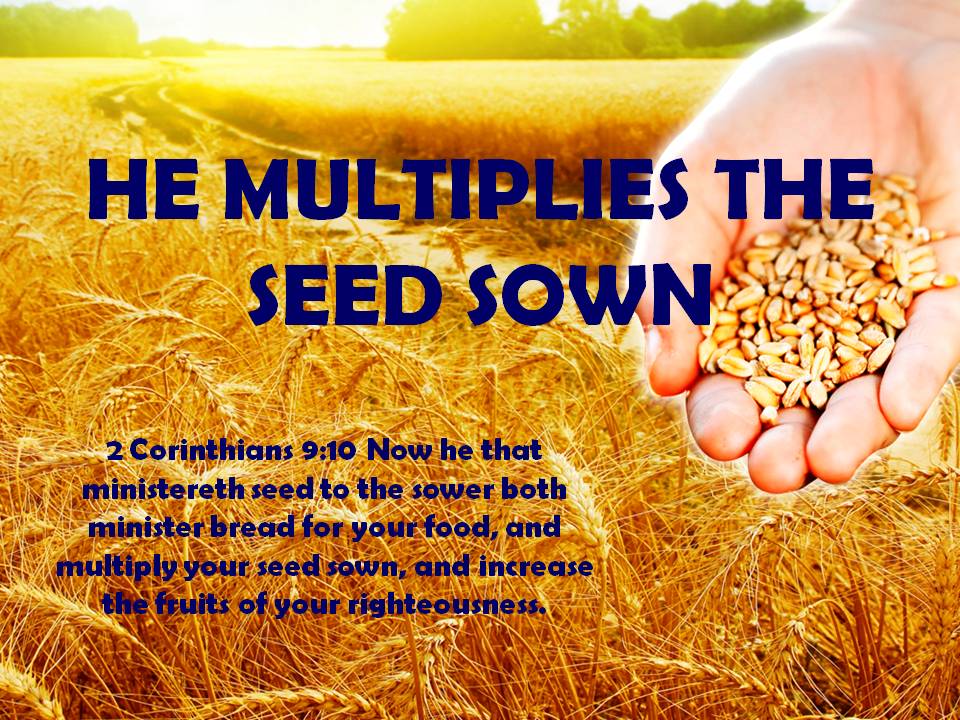
Have you ever considered the tremendous power contained within a tiny seed? In the Bible, seeds are often used as powerful symbols to convey profound spiritual truths and principles. Understanding the significance of the seed can help us grasp the incredible potential and growth that lies within each of us as believers.
In this blog post, we will explore the transformative power of the seed as depicted in the Bible. From the parable of the sower to the concept of sowing and reaping, we will uncover the deep spiritual lessons that can be gleaned from the simple act of planting a seed. Discover how nurturing the seeds of faith, love, and righteousness in our lives can lead to abundant blessings and a fruitful harvest that glorifies God.
Unleashing the Divine Potential: Exploring the Significance of the Seed in the Bible
The Power of the Seed in the Bible
In the Bible, the concept of the seed holds significant importance and symbolism across both the Old and New Testaments. Seeds are mentioned numerous times throughout the scriptures, often serving as a powerful metaphor for various aspects of spiritual growth, abundance, and renewal.
One of the most well-known references to the power of the seed is found in the parable of the sower, which is recounted in the Gospels of Matthew, Mark, and Luke. In this parable, Jesus compares the spreading of seeds on different types of soil to the reception of God’s word by different individuals. Just as seeds require fertile soil to take root and grow, the word of God needs to be received by open hearts in order to bear fruit in believers’ lives.
Another important aspect of the seed in the Bible is its association with faith. In the book of Matthew, Jesus tells his disciples that faith as small as a mustard seed is enough to move mountains (Matthew 17:20). This powerful imagery highlights the seemingly small and insignificant nature of faith, yet emphasizes its immense potential for growth and impact when nurtured.
Furthermore, the theme of the seed is closely linked to the idea of sowing and reaping. The apostle Paul writes in his letter to the Galatians, “Do not be deceived: God cannot be mocked. A man reaps what he sows” (Galatians 6:7). This verse underscores the principle that our actions and choices have consequences, much like the planting of seeds leads to a harvest in due time.
The symbolism of the seed is also prevalent in the stories of creation and redemption throughout the Bible. In the book of Genesis, God commands the earth to bring forth vegetation, each bearing seed according to its kind (Genesis 1:11-12). This act of creation highlights the inherent potential for growth and reproduction that is contained within each seed.
Moreover, the ultimate expression of the power of the seed is seen in the life, death, and resurrection of Jesus Christ. In the Gospel of John, Jesus uses the analogy of a kernel of wheat falling to the ground and dying in order to bear much fruit (John 12:24). This imagery foreshadows Christ’s sacrificial death and subsequent resurrection, through which all believers can experience new life and spiritual fruitfulness.
Overall, the concept of the seed in the Bible serves as a profound reminder of the transformative power of God’s word, the importance of faith, and the interconnectedness of sowing and reaping in the Christian life. By understanding and embracing the symbolism of the seed, believers can cultivate a deeper appreciation for God’s divine plan of growth, renewal, and abundance in their own lives.
What is the power of the seed in the Bible?
In the Bible, the concept of the seed holds significant symbolic meaning. One powerful aspect is found in the parable of the sower in Matthew 13:3-23, where Jesus explains that the seed represents the Word of God. The seed sown on different types of soil symbolizes how people receive and respond to the message of God. Another aspect is seen in Galatians 6:7-9 where it talks about sowing and reaping, emphasizing the principle that whatever a person sows, they will also reap. This highlights the power of seed as a metaphor for the consequences of our actions and choices. Ultimately, the seed in the Bible represents potential, growth, and transformation, illustrating the impact of God’s word and the significance of our deeds in shaping our spiritual lives.
What do seeds symbolize in the Bible?
In the Bible, seeds are often used as a symbol of growth, fruitfulness, and potential. The parable of the sower (Matthew 13:1-23) illustrates how different types of soil (representing different conditions of the heart) receive and respond to the seed of God’s word. Additionally, in the New Testament, Jesus refers to faith as small as a mustard seed, emphasizing the powerful and transformative nature of faith (Matthew 17:20). Moreover, the concept of planting seeds and reaping what is sown is a recurring theme throughout the Bible, highlighting the importance of intentional actions and spiritual growth.
What is the seed in Mark 4-14?
In Mark 4:14, the seed refers to the word of God. Jesus uses the metaphor of a sower sowing seeds to explain the different ways people receive and respond to the message of God. The seed represents the word of God, which can fall on different types of soil (representing people’s hearts) and produce varying levels of fruitfulness. This parable emphasizes the importance of receiving and nurturing the word of God in order to grow spiritually.
What is the spiritual meaning of a seed?
In the Bible, a seed often symbolizes potential, growth, and God’s transformative power. Just like a seed contains the potential to grow into a plant or tree, our faith and actions can also start small but have the potential to grow and yield great results when nurtured in accordance with God’s word.
Jesus used the analogy of a seed in several parables, such as the Parable of the Mustard Seed and the Parable of the Sower, to illustrate spiritual truths. The growth of a seed also reminds us of the importance of patience and perseverance in our spiritual journey.
Additionally, the idea of sowing seeds is often used metaphorically to represent spreading the Gospel and sharing God’s love with others, trusting that God will bring about the growth and transformation. Ultimately, the concept of a seed in the Bible signifies the power of God to bring forth new life and abundance from the smallest beginnings.