
Have you ever wondered about the lesser-known figures in the Bible and the significant roles they played in biblical history? In this blog post, we delve into the intriguing narratives of the wives of Esau, shedding light on their stories that are often overshadowed by more prominent characters. By exploring these women’s lives, we gain a deeper understanding of the complexities of relationships, family dynamics, and faith in the ancient biblical context.
Through examining the lives of Esau’s wives as portrayed in the Bible, we uncover valuable lessons and insights that resonate with contemporary experiences. Their stories offer wisdom on resilience, forgiveness, and the importance of staying true to one’s beliefs even in challenging circumstances. Join us on this exploration of the wives of Esau in the Bible and discover the timeless relevance of their journeys for our own lives today.
The Intriguing Role of Esau’s Wives in Biblical Narratives
The wives of Esau in the Bible are a fascinating group of women mentioned in the book of Genesis. Esau, also known as Edom, was the elder son of Isaac and Rebekah, and the twin brother of Jacob. Esau’s marriages are briefly mentioned in Genesis 26 and 36.
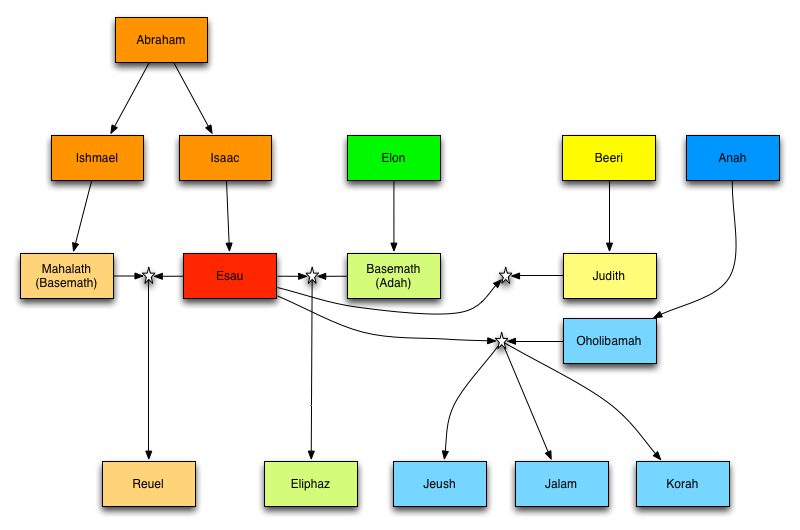
One of Esau’s wives was Adah, the daughter of Elon the Hittite. Adah bore Esau a son named Eliphaz. Another of Esau’s wives was Basemath, the daughter of Ishmael and the sister of Nebaioth. Basemath was also known as Mahalath. She bore Esau a son named Reuel. Esau’s third wife was Oholibamah, the daughter of Anah and the granddaughter of Zibeon the Hivite. Oholibamah bore Esau three sons: Jeush, Jalam, and Korah.
These marriages were strategic alliances for Esau, as they helped solidify his standing among the local tribes. However, these unions also caused grief to Isaac and Rebekah, as Esau’s wives were Canaanite women, which went against their desire for him to marry within their own family.
The relationships between Esau and his wives are not extensively detailed in the Bible, but their presence in the narrative serves to highlight the complexities of family dynamics and cultural influences during that time period. The wives of Esau played a role in shaping the future of the Edomite nation, and their descendants are mentioned throughout the biblical text.
Overall, the wives of Esau provide a glimpse into the intricacies of ancient familial relationships and the ways in which marriage was used to forge alliances and strengthen tribal connections. Their stories remind us of the importance of understanding the historical and cultural contexts in which these events took place, and the impact that these relationships had on shaping the course of biblical history.
How many wives does Esau have?
Esau had three wives according to the Bible. Their names were Adah, Judith, and Basemath. These women are mentioned in Genesis 26:34 and Genesis 36:2-3.
Who was Esau’s third wife?
Esau’s third wife was Mahalath, who was the daughter of Ishmael, the son of Abraham. This marriage is mentioned in Genesis 28:9 and Genesis 36:3 in the Bible.
Why did Rebekah not like Esau’s wives?
Rebekah did not like Esau’s wives because they were Hittite women. In Genesis 26:34-35, it is mentioned that Esau married Judith and Basemath, who were Hittite women. The Hittites were not followers of God, and intermarriage with them was discouraged among the Israelites. Rebekah, being a follower of God and wanting to maintain the lineage of Abraham’s descendants, was displeased with Esau’s choice of wives. This led her to advise Jacob to flee to her brother Laban’s house in order to find a wife from their own people (Genesis 27:46). Rebekah’s disapproval of Esau’s wives was rooted in the desire to uphold the covenant and ensure that the descendants continued to follow God’s ways.
Are Basemath and Mahalath the same person?
Basemath and Mahalath are not the same person. In the Bible, Basemath is one of the daughters of Ishmael, son of Abraham, while Mahalath is one of the daughters of Ishmael’s brother, Esau. They were two different women with different lineages and backgrounds.