
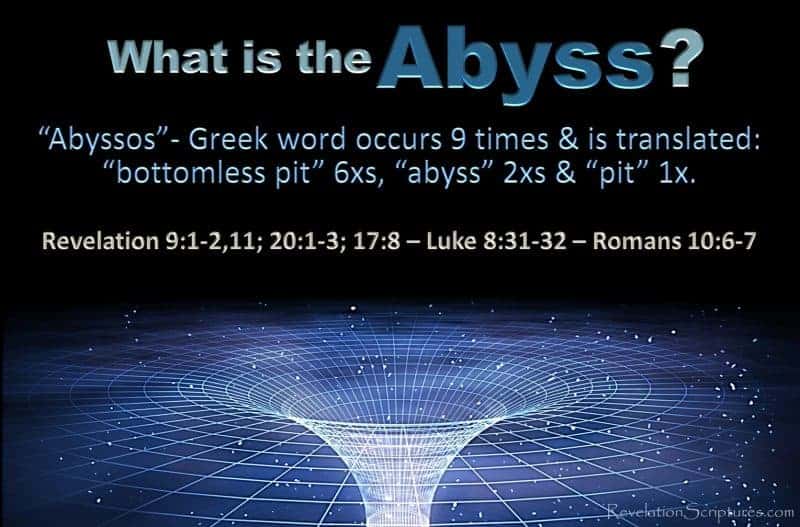
Have you ever wondered about the mysterious concept of the Abyss mentioned in the Bible? In this blog post, we will delve into the depths of this intriguing topic to uncover its significance and meaning within the biblical context. Understanding the Abyss can provide us with valuable insights into spiritual truths and deepen our understanding of God’s plan for humanity.
The Abyss in the Bible represents a powerful symbol of chaos, darkness, and judgment. By exploring its references throughout the Scriptures, we can gain a deeper appreciation for the themes of redemption, salvation, and divine justice. Join us on this enlightening journey as we unravel the mysteries of the Abyss and discover how it offers us profound lessons about the nature of God and His ultimate purpose for creation.
Unveiling the Mystery: Exploring the Concept of the Abyss in the Bible
The Abyss in the Bible
The concept of the Abyss is a recurring theme in the Bible, often associated with the idea of a deep, dark, and chaotic place. In the Old Testament, the term “Abyss” is used to describe the primordial waters of creation, symbolizing the formless and void state that existed before God brought order and light into the world. This can be seen in the opening verses of Genesis, where the Spirit of God hovers over the face of the waters before the act of creation begins.
In the New Testament, the Abyss is mentioned in the Book of Revelation as a place of confinement for demonic entities. In Revelation 9:1-3, an angel is given the key to the Abyss and opens it, releasing smoke and locusts upon the earth. These creatures are described as tormenting those who do not have the seal of God on their foreheads, emphasizing the Abyss as a place of punishment and suffering for the wicked.
Additionally, in Revelation 20:1-3, it is mentioned that Satan will be bound and thrown into the Abyss for a period of a thousand years during the reign of Christ on earth. This act signifies the ultimate defeat and imprisonment of evil forces, highlighting the Abyss as a place of divine justice and judgment.
Overall, the Abyss in the Bible symbolizes a realm of darkness, chaos, and punishment, contrasting with the order, light, and salvation brought by God. It serves as a powerful image of the consequences of rebellion against God and the eventual triumph of good over evil in the cosmic battle between light and darkness.
What does the abyss mean in the Bible?
In the Bible, the term “abyss” typically refers to a deep, chaotic, and bottomless place associated with darkness and destruction. The word is often used in a symbolic or metaphorical sense to represent a place of evil, chaos, or judgment. In the book of Revelation, for example, the abyss is described as a place where demonic forces are confined or released for a time of judgment.
One of the most well-known references to the abyss is found in Revelation 9:1-2, where it is mentioned that a star falls from heaven and opens the bottomless pit, releasing smoke and locusts upon the earth. This event signifies a period of intense tribulation and suffering.
Overall, the abyss in the Bible represents a place of great darkness and despair, often associated with judgment, punishment, and the forces of evil unleashed upon the world. It serves as a powerful symbol of the consequences of sin and the ultimate triumph of God’s justice and righteousness.
Where is the biblical Abyss located?
In the context of the Bible, the Abyss is often referred to as a place of extreme depth or an unfathomable chasm. It is mentioned several times in the Bible, including in the Book of Revelation. The precise location of the Abyss is not specified in the Bible, but it is generally understood to be a spiritual realm rather than a physical location on Earth. It is depicted as a place of imprisonment for certain spiritual beings, such as demons, awaiting judgment.
What is the spiritual meaning of Abyss?
In the context of the Bible, the Abyss holds spiritual significance as a place of chaos, darkness, and judgment. It is often associated with the dwelling place of evil spirits or demons, representing a realm of separation from God and punishment. The Abyss is mentioned in the Book of Revelation, where it symbolizes a deep and mysterious place from which dark forces emerge to bring about destruction and tribulation. Ultimately, the Abyss serves as a reminder of the consequences of sin and the need for redemption and salvation through faith in God.
What is the abyss in Luke 8 31?
In Luke 8:31, the term “abyss” refers to a deep and bottomless pit. This passage is part of the account of Jesus casting out demons from a man in the region of the Gerasenes. When the demons begged Jesus not to send them into the abyss, they were essentially asking not to be sent to a place of confinement and punishment.
The concept of the abyss in this context signifies a place of imprisonment and torment, often associated with evil spirits or demonic entities. The mention of the abyss in Luke 8:31 serves to highlight the power and authority of Jesus over spiritual forces, demonstrating his ability to command even the darkest realms.
In Christian theology, the abyss is sometimes understood as a symbolic representation of Hell or the dwelling place of demons. It represents a place of separation from God and eternal suffering for those who are condemned. Jesus’ interaction with the demons in Luke 8:31 underscores his role as the ultimate conqueror of evil and the one who holds dominion over all realms, including the abyss.