
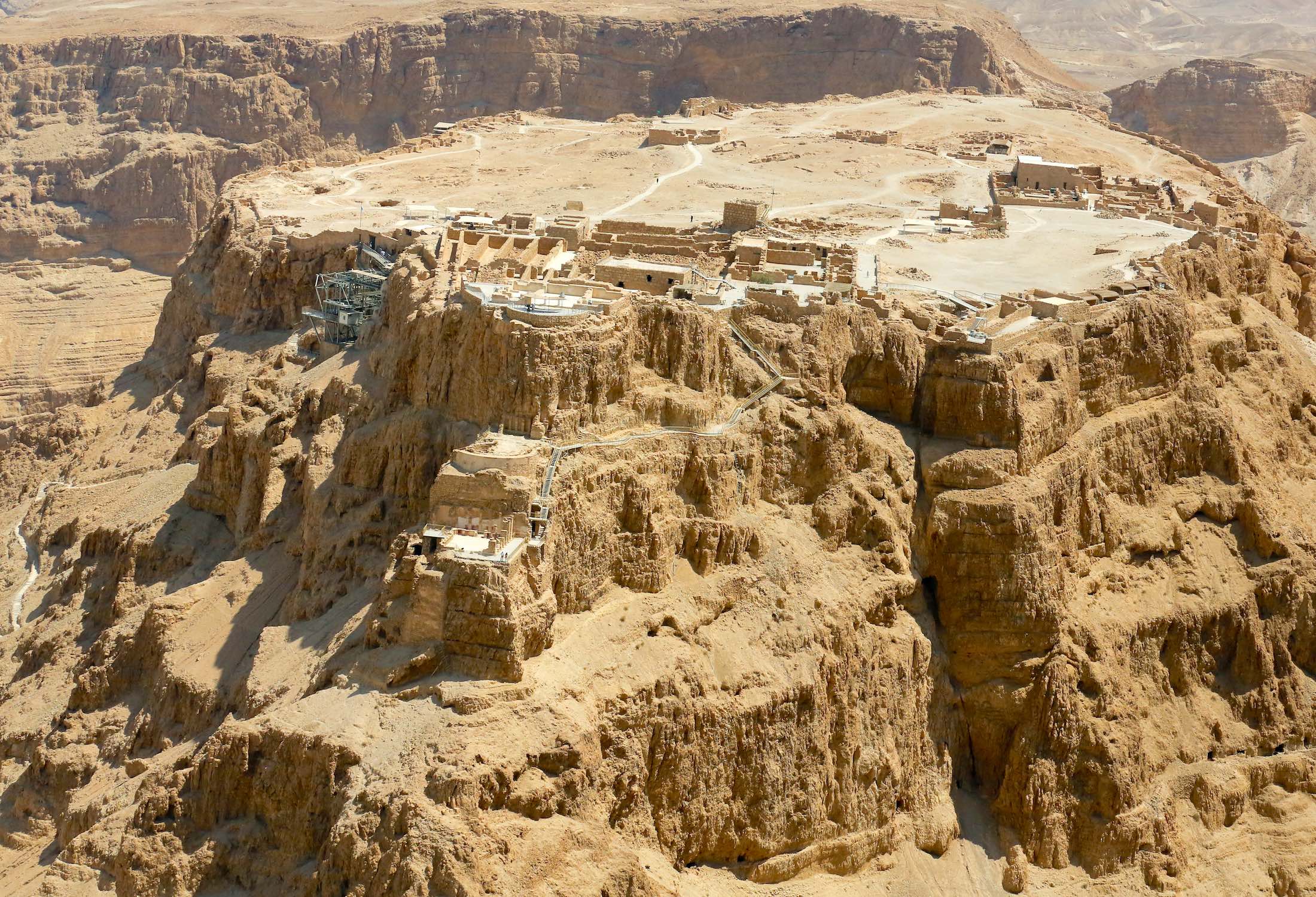
Have you ever wondered where the captivating story of Masada is found in the Bible? In this blog post, we will explore the historical significance of Masada and its absence from the biblical text. Join us on a fascinating journey as we uncover the story behind this ancient fortress and its impact on Judeo-Christian history.
While Masada is not explicitly mentioned in the Bible, its legacy holds valuable lessons that resonate with themes of faith, courage, and perseverance. By delving into the historical context surrounding Masada, we can gain a deeper understanding of the events that shaped the region and the enduring lessons that continue to inspire us today. Join us as we uncover the untold story of Masada and its significance in the wider biblical narrative.
The Biblical Account of Masada: Unveiling Its Presence in Scripture
The story of Masada is not found in the Bible. Masada is a historically significant site located in Israel, near the Dead Sea. The story of Masada is one of tragedy and heroism, but it is not a biblical story.
Masada is a fortress built by King Herod the Great around 31 BCE. It served as a palace complex and a refuge for Herod in case of revolt. However, during the First Jewish-Roman War (66-73 CE), a group of Jewish rebels known as the Sicarii took refuge in Masada after their failed revolt against Roman rule.
The Sicarii held off the Roman forces for several years but were eventually besieged by the Roman army. Knowing that defeat was imminent, the Sicarii chose mass suicide rather than surrender to the Romans. According to the historian Josephus Flavius, only two women and five children survived the siege.
The story of Masada has become a symbol of Jewish resistance and martyrdom, with many viewing the actions of the Sicarii as a testament to the Jewish people’s determination to fight for their freedom and identity.
While the story of Masada is not found in the Bible, it is an important part of Jewish history and culture. The site of Masada is now a UNESCO World Heritage Site and a popular tourist destination, attracting visitors from around the world who come to learn about this tragic but inspiring chapter in history.
What is the true story of Masada?
The true story of Masada in the context of the Bible is recorded in the Jewish historical writings, particularly in Flavius Josephus’ “The Jewish War.” Masada was a fortress built by King Herod the Great on a rugged plateau overlooking the Dead Sea. During the First Jewish-Roman War, a group of Jewish rebels known as the Sicarii occupied Masada and resisted the Roman forces.
The Romans laid siege to Masada in 73 AD and built a siege ramp to breach the walls of the fortress. However, rather than face defeat and capture, the Sicarii chose mass suicide over surrender. According to Josephus, the remaining defenders of Masada decided to kill themselves and their families rather than be enslaved by the Romans.
This tragic event is seen as a symbol of Jewish resistance and nationalistic fervor. The story of Masada has also become a powerful symbol of determination and defiance in the face of overwhelming odds. Today, Masada is a UNESCO World Heritage Site and a popular tourist destination in Israel.
Did David hide at Masada?
No, David did not hide at Masada in the Bible. The story of David hiding in caves is described in the Book of 1 Samuel, where he fled from King Saul and sought refuge in various places such as the cave of Adullam and the stronghold of Engedi. Masada, on the other hand, is a fortress in Israel that gained historical significance during the Jewish revolt against the Romans in 73-74 AD. There is no mention of David hiding at Masada in the Bible.
What happened to Masada after Herod died?
After Herod died, Masada became a fortress and palace complex. It was famously the site of a siege by the Romans in 73-74 AD. The Jewish rebels who held Masada eventually committed mass suicide rather than be captured by the Romans. This event has become a symbol of Jewish resistance and martyrdom.
Why is Masada so important for Jews?
Masada is important for Jews in the context of the Bible because it signifies a symbol of Jewish resistance and perseverance. Masada was a fortress where Jewish rebels made a last stand against the Roman army in 73-74 CE during the First Jewish-Roman War. Despite being outnumbered and facing certain defeat, the Jews at Masada chose to take their own lives rather than surrender to the Romans.
This act of defiance has been glorified in Jewish history as a testament to the courage and determination of the Jewish people in the face of adversity. The story of Masada serves as a powerful reminder of the importance of standing up for one’s beliefs and heritage, even in the most dire circumstances. Today, Masada is a popular symbol of Jewish nationalism and resilience, and it holds a significant place in Jewish identity and memory.