
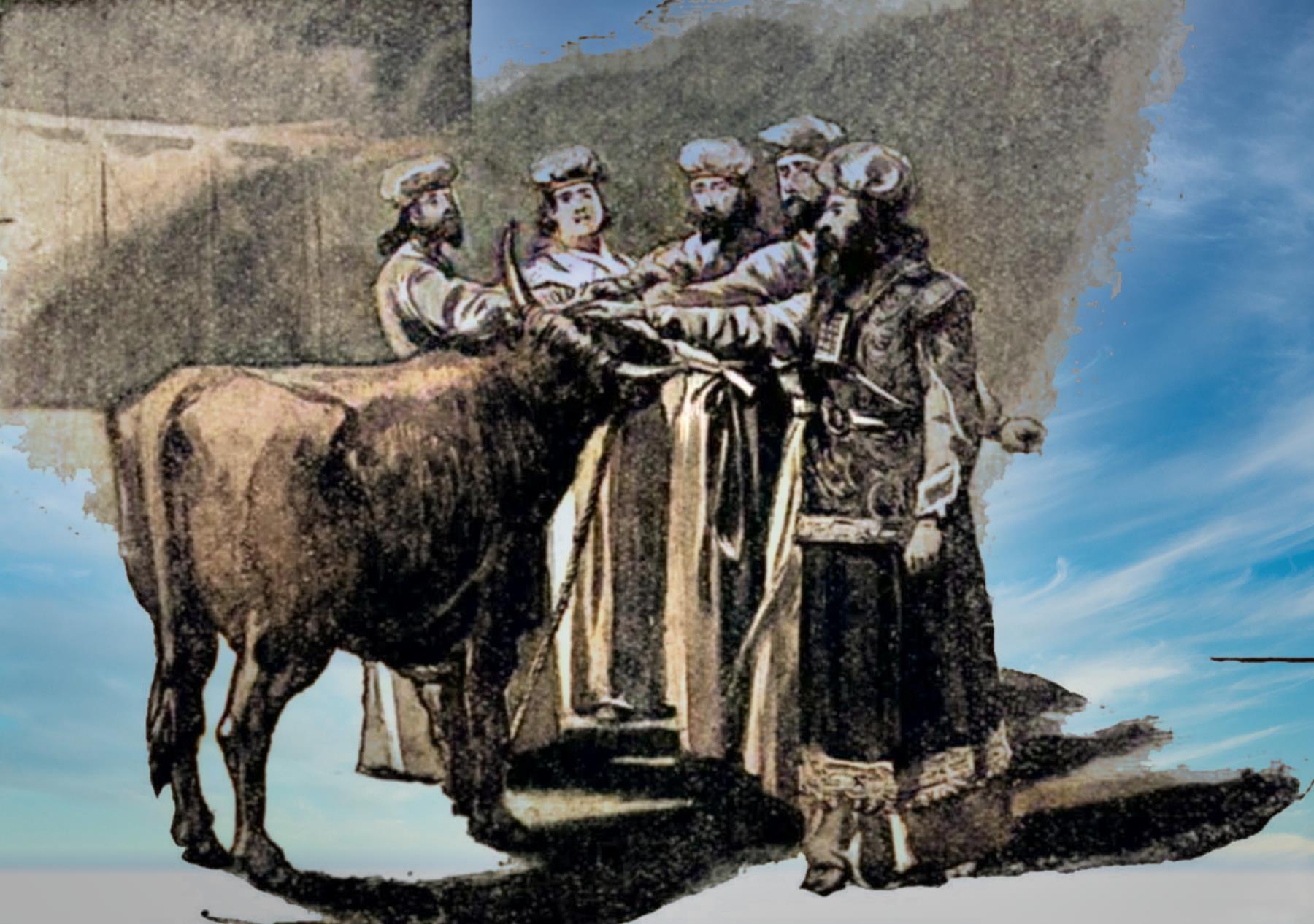
Have you ever come across the term “bullock” while reading the Bible and wondered what it means? In this blog post, we will delve into the significance of a bullock in the Bible and how it is referenced throughout the scriptures. Understanding the meaning behind this biblical term can provide us with valuable insights into the cultural practices and symbolism present in the ancient texts.
Exploring the concept of a bullock in the Bible can deepen our understanding of the sacrifices and offerings made in ancient times as well as shed light on the role of animals in religious rituals. By unraveling the symbolic meaning of a bullock and its significance in biblical narratives, we can gain a richer appreciation for the historical context and spiritual lessons embedded within the scripture. Join us on this journey as we uncover the mystery behind the mention of a bullock in the Bible and its relevance to our faith today.
Understanding the Significance of a Bullock in the Bible: A Comprehensive Exploration
In the Bible, a bullock refers to a young bull or ox that has not reached maturity. Throughout the Old Testament, bullocks were commonly used in sacrificial offerings as a symbol of atonement for sin and worship of God. The Hebrew word for bullock is “par,” which can also be translated as “ox” or “young bull.”
Bullocks played a significant role in the religious practices of ancient Israel. In the book of Leviticus, detailed instructions are given regarding the offering of bullocks as part of various sacrifices. For example, in the sin offering, a bullock was required to be brought to the tabernacle or temple, where it would be presented before the Lord. The animal would then be slaughtered, and its blood sprinkled on the altar as a symbolic act of purification and forgiveness.
Similarly, in the peace offering, a bullock could be offered as a way of expressing gratitude to God or making a vow. The meat of the bullock would be shared among the priests and the worshipper as a communal meal, symbolizing fellowship and unity with God.
The significance of bullocks in the Bible extends beyond sacrificial rituals. They are also mentioned in prophetic passages as symbols of strength, power, and abundance. For example, in Isaiah 34:7, the prophet describes the judgment of the nations using the imagery of bullocks being slaughtered. This vivid imagery conveys the severity of God’s judgment and the consequences of disobedience.
Overall, the presence of bullocks in the Bible serves as a reminder of the importance of sacrifice, obedience, and worship in the relationship between humanity and God. The practice of offering bullocks in ancient Israel was a tangible expression of faith and devotion, reflecting the desire to seek reconciliation and favor with the divine.
What does a bullock symbolize in the Bible?
In the Bible, a bullock symbolizes sacrifice and atonement. In the Old Testament, bullocks were frequently offered as burnt offerings to God in order to seek forgiveness for sins or to express devotion and worship. The act of sacrificing a bullock was seen as a way to cleanse impurities and restore a relationship with God. The imagery of the bullock being sacrificed is often used to represent the ultimate sacrifice of Jesus Christ on the cross, who atoned for the sins of humanity.
What kind of animal is a bullock in the Bible?
In the Bible, a bullock refers to a young male calf or cow that has not yet been castrated. It is often used in the context of sacrificial offerings or as livestock for agricultural purposes.
What does bullock mean?
In the Bible, a bullock refers to a young bull or ox that is used for sacrifice or other ceremonial purposes. In the Old Testament, bullocks were often offered as sacrifices to atone for sins or to worship God. They were considered holy animals and their blood was seen as purifying. The term bullock is used in various passages of the Bible, particularly in the context of ritual offerings and worship practices.
What is the spiritual meaning of bullocks?
In the Bible, bullocks are often seen as a symbol of sacrifice and offering. They were commonly used in Old Testament times as offerings to God during worship ceremonies. The act of sacrificing a bullock was seen as a way to seek forgiveness for sins and to demonstrate faith and obedience to God.
Bullocks are also associated with the concept of atonement and repentance. In the book of Leviticus, for example, the sacrifice of bullocks is described as a way to make amends for wrongdoing and to restore a relationship with God.
Overall, the spiritual meaning of bullocks in the Bible is tied to themes of sacrifice, obedience, repentance, and seeking forgiveness from God. They serve as a reminder of the importance of faith and devotion in the life of a believer.