
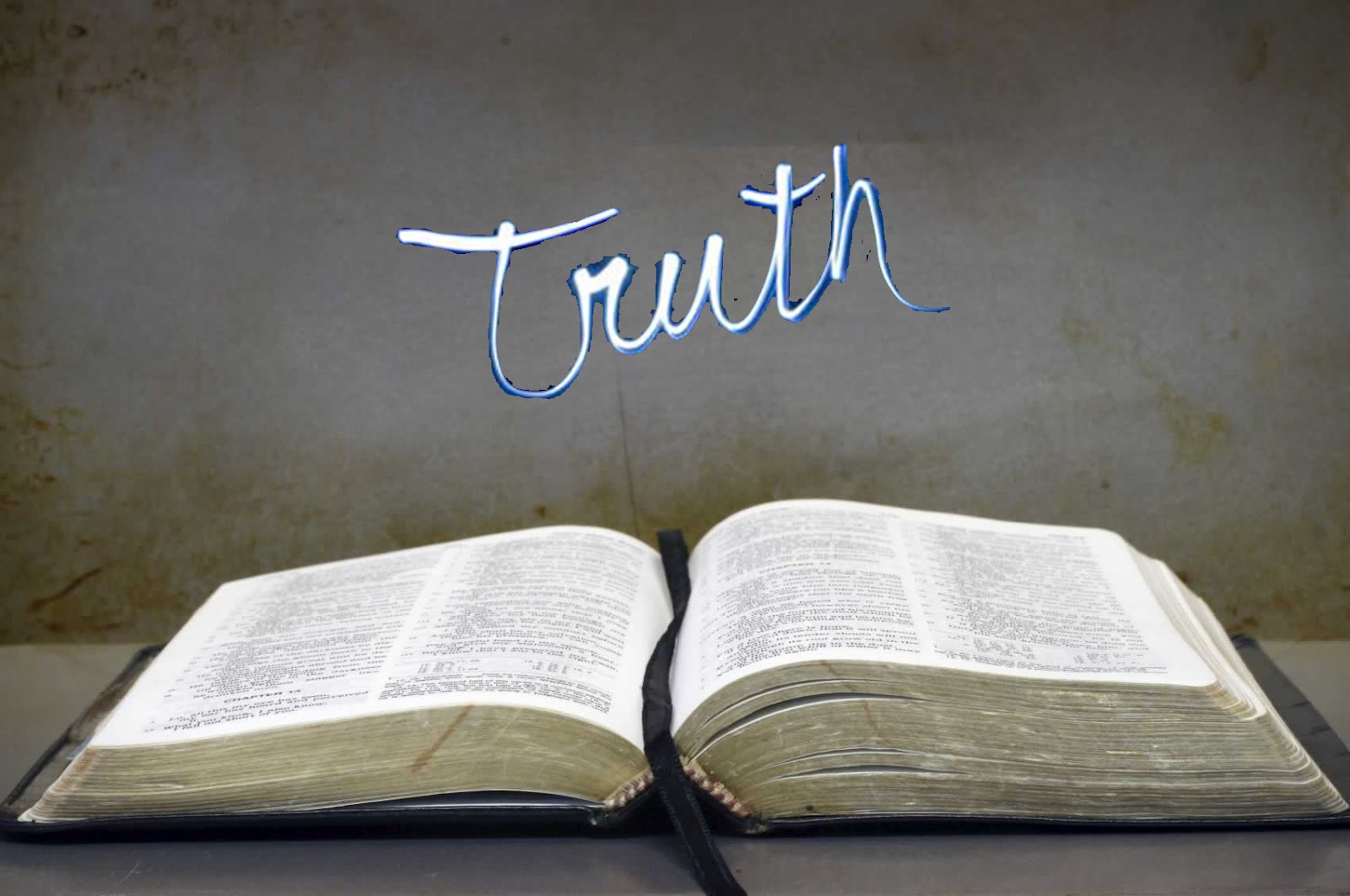
Have you ever wondered how discussing truths about the Bible and religion can impact your life and understanding of faith? In this blog post, we will explore the benefits of engaging in conversations about the Bible and religion, and how it can deepen your spiritual journey. By delving into these important topics and seeking truth, we have the opportunity to grow in our knowledge and relationship with God, as well as gain new perspectives and insights that can strengthen our faith.
Discussing truths about the Bible and religion not only allows us to connect with others who share similar beliefs, but also challenges us to critically examine our own convictions and values. Through open dialogue and meaningful discussions, we can broaden our understanding of different religious practices and interpretations of the Bible, fostering a greater sense of empathy and respect for diverse perspectives. By engaging in these conversations, we can cultivate a deeper appreciation for the richness and complexity of faith, while also finding unity in our shared pursuit of truth and spiritual growth.
Unveiling the Intersection of Truth, Bible, and Religion: A Thought-Provoking Analysis
How Does Truth’s Discussion of the Bible and Religion
Truth has always been a central theme in discussions surrounding the Bible and religion. The notion of truth extends beyond mere facts or historical accuracy; it delves into the realm of belief, faith, and interpretation. In the context of the Bible, truth is often considered synonymous with divine revelation, spiritual enlightenment, and moral guidance.
The Bible itself claims to be the ultimate source of truth, with passages such as John 17:17 proclaiming, “Sanctify them by the truth; your word is truth.” This declaration underscores the belief that the Bible is not just a book of stories or teachings but a sacred text that contains eternal truths revealed by God.
When discussing the Bible and religion, the concept of truth also extends to matters of interpretation and application. Different religious traditions and denominations may have varying interpretations of the same biblical passages, leading to diverse understandings of truth within the faith community. This diversity can enrich discussions and deepen one’s understanding of the complexities of truth in a religious context.
Moreover, truth in the Bible is often intertwined with morality and ethics. The Ten Commandments, for example, are seen as objective moral truths revealed by God to guide human behavior. The Bible’s teachings on love, justice, and compassion are considered timeless truths that transcend cultural and historical contexts.
In contemporary discussions of the Bible and religion, the concept of truth has been a point of contention and debate. Skeptics may question the historical accuracy of biblical accounts, while believers assert the spiritual and moral truths contained in the text. The intersection of faith and reason, revelation and interpretation, tradition and modernity, all contribute to the ongoing dialogue on truth in the context of the Bible and religion.
Ultimately, the discussion of truth in the Bible and religion is a multifaceted and deep exploration of humanity’s search for meaning, purpose, and transcendence. Whether through scholarly study, theological reflection, personal devotion, or communal worship, individuals engage with the truths of the Bible in ways that shape their beliefs, values, and actions. As the quest for truth continues, the enduring mysteries and revelations of the Bible remain a source of inspiration, challenge, and transformation for believers and seekers alike.
How does truth’s discussion of the Bible and religion contribute to her defense of women’s rights?
In her discussions of the Bible and religion, Truth’s interpretations and analyses challenge traditional patriarchal interpretations that have been used to oppress women. By examining scriptures and religious teachings through a feminist lens, she highlights the empowering stories of women in the Bible and emphasizes their importance in shaping religious beliefs.
Additionally, Truth critiques how religious institutions have historically used biblical teachings to justify the subjugation of women and limit their rights. Through her speeches and writings, she advocates for gender equality and argues that women should have the same rights and opportunities as men, both in society and within religious contexts.
Overall, Truth’s engagement with the Bible and religion serves as a powerful tool in her defense of women’s rights by challenging entrenched misinterpretations and biases that have perpetuated gender inequality for centuries.
What are the religious truths in the Bible?
In the context of the Bible, there are several religious truths that are considered fundamental beliefs for Christians. Some of these truths include:
1. The belief in one God, who is the creator of the universe and all living beings.
2. The concept of salvation through faith in Jesus Christ, who is believed to be the Son of God and the savior of humanity.
3. The importance of love, forgiveness, and compassion towards others, as taught by Jesus in the New Testament.
4. The idea of eternal life for believers who follow the teachings of the Bible and live according to God’s will.
5. The belief in the divine inspiration of the Bible as the word of God, containing teachings and guidance for a righteous life.
These religious truths form the foundation of Christian faith and are central to understanding the teachings of the Bible.
What does the Bible say about truth and faith?
In the Bible, truth is often associated with Jesus Christ himself, who proclaimed in John 14:6, “I am the way and the truth and the life.” This verse highlights the central importance of truth in the Christian faith, emphasizing that ultimate truth is found in Jesus.
Regarding faith, Hebrews 11:1 defines it as, “Now faith is confidence in what we hope for and assurance about what we do not see.” This verse demonstrates the essential role of faith in the Christian life, emphasizing trust and belief in God’s promises even when they may not be immediately visible or tangible.
Throughout the Bible, the themes of truth and faith are intertwined, with faith often being described as the pathway to understanding and accepting the truth of God’s Word. As believers grow in their faith, they come to a deeper realization of the truth revealed in Scripture and in the person of Jesus Christ.
What does truth mean in religion?
In the context of the Bible, truth holds significant importance in relation to the teachings and beliefs within the Christian faith. In Christianity, truth is often synonymous with the character of God Himself, as described in verses such as John 14:6 where Jesus declares, “I am the way, and the truth, and the life. No one comes to the Father except through me.” This highlights the central role of truth as an essential component of Christian belief and understanding. Additionally, the Bible frequently emphasizes the importance of seeking and living by truth, as seen in passages like Ephesians 4:25 which instructs believers to “put away falsehood and speak the truth with your neighbor, for we are all members of one body.” Ultimately, in the context of the Bible, truth is not just about factual accuracy but also about living in alignment with the teachings and principles revealed in Scripture.