
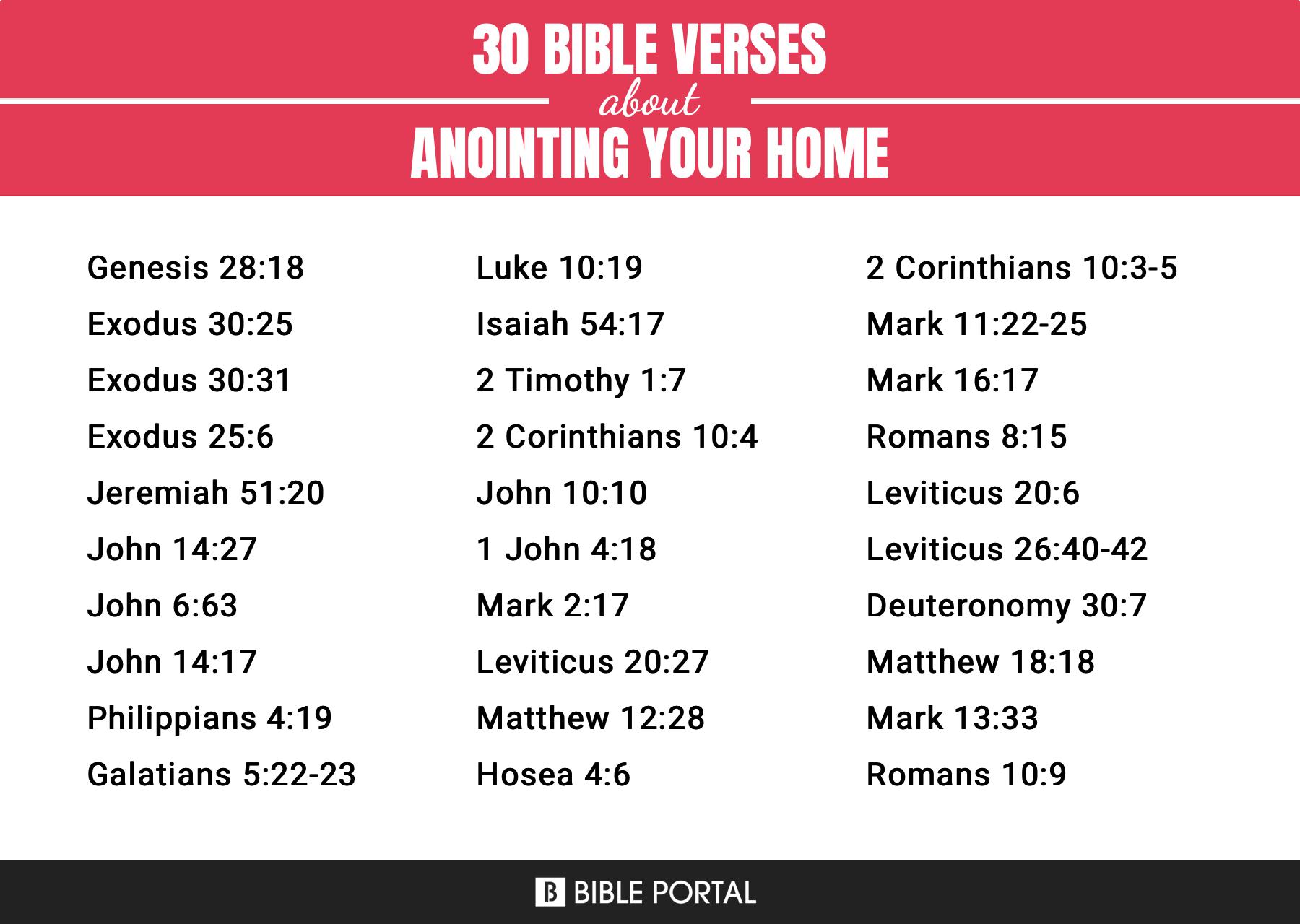
Have you ever wondered about the significance of anointing your home according to the Bible? Many believers find comfort in seeking God’s protection and blessing over their living spaces through this sacred practice. In this blog post, we will explore what the Bible says about anointing your home and the spiritual benefits it can bring to your household.
Throughout the Scriptures, anointing is often associated with consecration, healing, and protection. When we anoint our homes with oil and prayers, we are inviting the presence of God to dwell in our midst and cover our loved ones with His divine grace. The act of anointing symbolizes our faith and trust in God’s provision and promises, creating a space filled with His peace and protection. Join us as we delve into the biblical principles behind anointing your home and discover the transformative power it can have in your life.
Unlocking the Power of Anointing: Exploring the Biblical Perspective on Anointing Your Home
What Does the Bible Say About Anointing Your Home
Anointing your home is a practice that has been carried out by Christians for centuries, rooted in the belief that it can help create a sacred and protected space. The act of anointing involves using oil to consecrate a place or object, symbolizing the presence and blessing of God. While the Bible does not explicitly command the anointing of homes, there are several passages that can be interpreted as supporting this practice.
In the Old Testament, we see instances where people and objects were anointed as a sign of consecration and blessing. For example, in Exodus 30:22-33, God gives Moses instructions on how to make a special oil for anointing the priests and the tabernacle. This anointing oil was considered holy and set apart for a specific purpose.
Another significant example of anointing in the Bible is found in the New Testament, particularly in James 5:14-15. In these verses, James instructs believers to call the elders of the church to pray over the sick and anoint them with oil in the name of the Lord. This act of anointing is associated with healing and restoration, emphasizing the spiritual power and significance of the practice.
While these specific instances of anointing may not directly address the anointing of homes, they do illustrate the importance of consecrating spaces and objects for God’s purposes. Many Christians believe that anointing their homes can serve as a symbolic act of dedicating the space to God’s protection and presence.
Ultimately, the decision to anoint your home is a personal choice guided by your faith and beliefs. If you feel called to anoint your home, it can be a meaningful way to invite God’s blessing and peace into your living environment. Remember, the true power lies not in the oil itself, but in the prayerful intention and commitment to honoring God in all aspects of your life.
As you consider the practice of anointing your home, reflect on the scriptural foundations and seek guidance from your spiritual community. May your home be a place of sanctuary and grace, filled with the love and light of God’s presence.
How does the Bible say to anoint your house?
In the Bible, the act of anointing your house is not explicitly mentioned as a specific ritual or practice that must be done. However, some Christians choose to anoint their home as an act of consecration and dedication to God.
One common practice is to anoint the doors of your house with oil while praying for God’s protection and blessing upon your home and everyone who lives in it. This symbolic act is often done by dipping your finger in oil and drawing a small cross on the doorposts or windows while saying a prayer.
While there is no specific verse that instructs believers to anoint their house in this way, the concept of using oil for consecration and blessings is found throughout the Bible, such as in James 5:14-15 which talks about anointing the sick with oil for healing.
Ultimately, the decision to anoint your house is a personal choice and should be done in faith and prayer, seeking God’s guidance and protection over your home.
What Scripture to use to bless a house?
One scripture that is commonly used to bless a house is found in Joshua 24:15, where it says, “But as for me and my household, we will serve the Lord.” This verse is often used to declare a commitment to serving and honoring God within the home.
What are the three types of anointing?
In the context of the Bible, there are three types of anointing:
1. Prophetic Anointing: This type of anointing empowers individuals to speak on behalf of God and deliver messages or revelations. Prophetic anointing is often associated with prophets in the Bible such as Elijah and Isaiah.
2. Priestly Anointing: This anointing is related to serving and ministering before God. In the Bible, priests were anointed for their sacred duties in the temple and to intercede for the people. Jesus is also seen as the ultimate High Priest with a priestly anointing.
3. Kingly Anointing: This type of anointing is linked to leadership, authority, and governance. In the Bible, kings were anointed with oil as a symbol of being chosen and empowered by God to rule over His people. Examples include King David and King Solomon.
Each type of anointing serves a specific purpose and reflects different aspects of God’s work and calling in individuals’ lives.
How to biblically cleanse your house?
To biblically cleanse your house, you can follow these steps:
1. Prayer: Begin by praying and asking God to cleanse your home of any negative spiritual influences.
2. Renounce any ties to the enemy: Confess and renounce any involvement with occult practices, false gods, or sin that may have opened doors for spiritual oppression in your home.
3. Anointing with oil: Anointing your doors and windows with olive oil while praying for God’s protection is a symbolic act of consecration.
4. Scriptural declarations: Speak out loud scripture verses that proclaim God’s power and protection over your home, such as Psalms 91 or Ephesians 6:10-18.
5. House cleaning: Physically clean your home, removing any objects or items that may be connected to sinful practices or spiritual darkness.
6. Invite the Holy Spirit: Invite the Holy Spirit to dwell in your home, bringing His peace, presence, and protection.
7. Regular prayer and worship: Maintain a lifestyle of prayer, worship, and reading the Bible in your home to continuously invite God’s presence and protection.
By following these steps and seeking God’s guidance, you can biblically cleanse your house from any spiritual impurities or negative influences.