
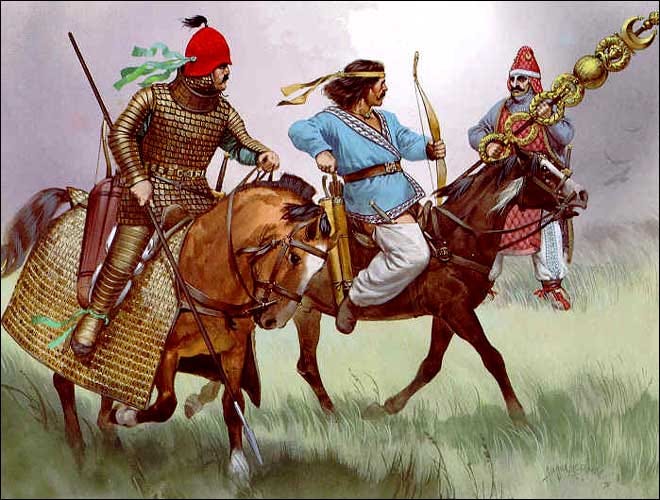
Have you ever wondered about the mysterious Parthians mentioned in the Bible? In this blog post, we will explore the intriguing history and significance of the Parthians in biblical times. By delving into their background and understanding their role in ancient events, we can gain a deeper insight into the cultural and political landscape of the biblical world.
Discovering the identity of the Parthians in the Bible not only enriches our knowledge of history but also sheds light on the context of various passages in the Scriptures. By unpacking the significance of this enigmatic group, we can better appreciate the connections between the ancient world and the stories preserved in the Bible. Join us on this fascinating journey to uncover the hidden treasures of the Parthians within the pages of the sacred text.
Unveiling the Enigmatic Parthians of the Bible: Exploring Their Identity and Role
Who Were the Parthians in the Bible
The Parthians were an ancient people who played a significant role in the history of the Bible. They were a powerful empire that ruled over a vast territory in what is now modern-day Iran and Iraq. The Parthians were known for their skilled archers and formidable military tactics.
In the Bible, the Parthians are mentioned in the Book of Acts, specifically in Acts 2:9. During the events of Pentecost, when the Holy Spirit descended upon the disciples, visitors from various regions were present in Jerusalem. Among them were “Parthians, Medes and Elamites; residents of Mesopotamia…” This passage reveals that the Parthians were among those who witnessed the miraculous outpouring of the Holy Spirit on the disciples.
The presence of Parthians at Pentecost indicates that they were part of the diverse cultural and ethnic landscape of the ancient world. Their inclusion in the biblical narrative serves to highlight the universal nature of Christianity and the message of salvation proclaimed by the early Church.
Historically, the Parthians were known for their interactions with the Roman Empire, including military conflicts and diplomatic relations. Their empire lasted for centuries and left a lasting impact on the region.
Overall, the Parthians were a significant group in the ancient Near East, and their mention in the Bible provides insight into the multicultural context of the early Christian church and the spread of the gospel message to diverse peoples and nations.
What ethnicity were the Parthians?
The Parthians were descendants of the ancient Persians and were predominantly of Iranian ethnicity. They ruled over a powerful empire in the region surrounding modern-day Iran from the 3rd century BCE until the 3rd century CE. The Parthian Empire was known for its skilled cavalry and strategic military tactics, and they played a significant role in the history of the Middle East during biblical times.
Who did the Parthians worship?
The Parthians were primarily known for their worship of fire and light, following the ancient religion of Zoroastrianism. Zoroastrianism emphasized the struggle between good and evil forces, represented by Ahura Mazda (the god of light) and Angra Mainyu (the god of darkness). The Parthians also practiced ancestor worship and venerated certain deities associated with nature and elements.
What does the name Parthians mean in the Bible?
In the context of the Bible, the term “Parthians” refers to a people from Parthia, an ancient region in the eastern part of the Roman Empire. The Parthians are mentioned in the Bible in the Book of Acts, specifically in Acts 2:9 as part of the list of people present at Pentecost. This event marked the outpouring of the Holy Spirit upon the disciples of Jesus. The mention of the Parthians along with other peoples signifies the diverse background of those who were present and witnessed this miraculous event. Parthians are one of the groups listed that heard the disciples speaking in their own languages, demonstrating the power of the Holy Spirit.
What is Parthia called today?
Parthia, mentioned in the Bible as one of the regions from where people gathered in Jerusalem during Pentecost (Acts 2:9), is known today as modern-day Iran.