
Have you ever come across the term “latrine” while reading the Bible and wondered what it means in that context? In ancient times, the concept of a latrine played a significant role in everyday life and even held symbolic meanings in certain biblical narratives. In this blog post, we’ll delve into the significance of a latrine in the Bible and explore its cultural and spiritual implications.
Understanding the concept of a latrine in the Bible can provide valuable insights into the social customs, hygiene practices, and religious beliefs of the time. By examining these references, we can gain a deeper understanding of the historical context in which biblical events took place and uncover hidden meanings behind seemingly mundane details. Join us on this journey as we uncover the significance of a latrine in the Bible and unravel its rich symbolism within the sacred text.
Understanding the Significance of Latrines in the Bible
In the Bible, a latrine is not explicitly mentioned as a specific term. However, there are references to practices and customs related to sanitation and cleanliness that can provide insight into the concept of a latrine in biblical times.
Sanitation was a vital concern in ancient societies, including those described in the Bible. The book of Deuteronomy contains guidelines for the Israelites regarding the disposal of human waste outside the camp: “Designate a place outside the camp where you can go to relieve yourself. As part of your equipment have something to dig with, and when you relieve yourself, dig a hole and cover up your excrement” (Deuteronomy 23:12-13, NIV).
This passage indicates that the Israelites were instructed to maintain cleanliness and hygiene by disposing of human waste in a designated area away from the living quarters. The practice of using designated areas for waste disposal was common in ancient civilizations to prevent contamination and the spread of diseases.
Additionally, the concept of cleanliness and purity was significant in Jewish religious rituals and daily life. The Old Testament contains various laws and regulations concerning cleanliness, including the washing of hands and bodies, and the disposal of waste. Maintaining cleanliness was not only a matter of physical health but also of spiritual importance for the Israelites.
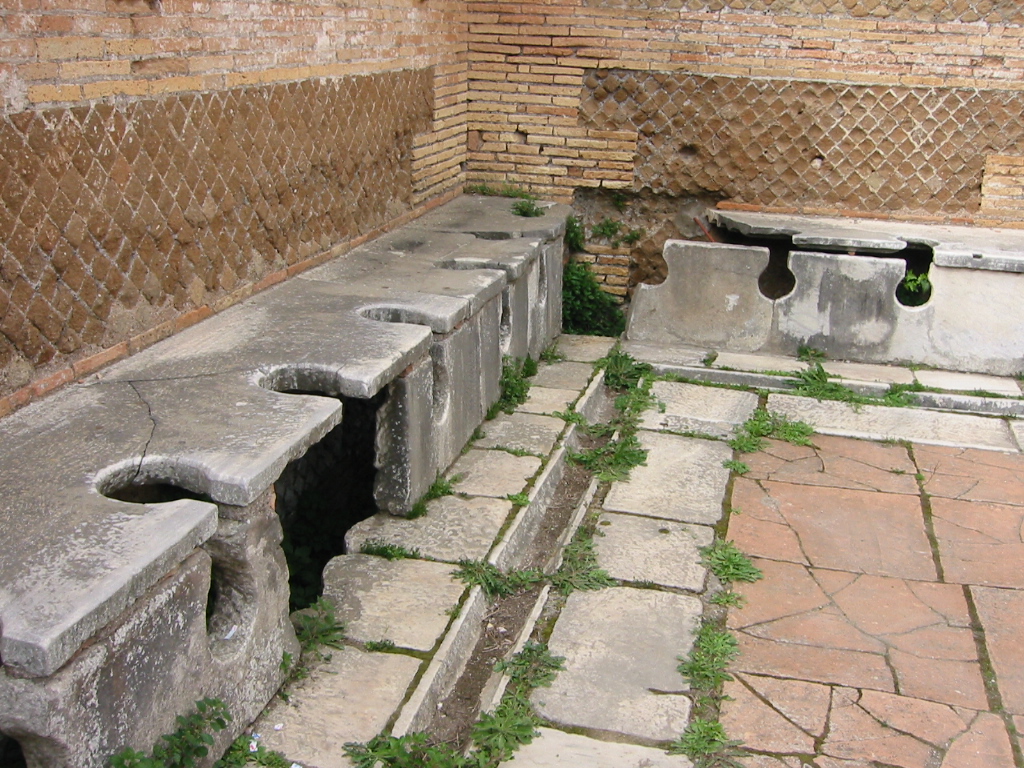
In archaeological excavations of ancient sites in the Middle East, evidence of ancient latrines has been discovered. These latrines were usually simple structures located outside living areas, often consisting of pits or trench toilets dug into the ground. The use of such facilities helped to manage waste disposal and maintain hygiene within communities.
While the term “latrine” may not be explicitly mentioned in the Bible, the practices and regulations related to sanitation and cleanliness described in the scriptures reflect the importance placed on hygiene and proper waste disposal in ancient times. The guidelines provided in the Bible serve as a reminder of the value of cleanliness and sanitation in promoting health and well-being, both physically and spiritually.
What does latrine mean in the Bible?
In the Bible, the term “latrine” is not specifically mentioned. However, there are references to cleanliness and hygiene practices, especially in the Old Testament, which emphasize the importance of maintaining proper sanitation. In the context of Bible, latrine would refer to a designated area or facility for human waste disposal, ensuring the cleanliness and health of the community.
What is the difference between a toilet and a latrine?
In the context of the Bible, the main difference between a toilet and a latrine lies in their historical and cultural significance. While both are facilities used for human waste disposal, the term “toilet” typically refers to a modern, private fixture found in homes and buildings, often connected to a sewage system for waste disposal.
On the other hand, a latrine is a basic, rudimentary structure commonly used in ancient times and in rural areas. In biblical times, latrines were simple pits dug in the ground, sometimes covered with a makeshift seat or platform for sitting. They were often located outside of cities or camps for sanitation purposes.
The Bible references latrines in various passages, highlighting the importance of cleanliness and proper waste disposal practices. For example, Deuteronomy 23:12-14 provides instructions on how to maintain cleanliness in a camp by using a latrine.
Overall, while both toilets and latrines serve the purpose of waste disposal, the key distinction lies in their design, functionality, and cultural contexts within the biblical narrative.
What is the meaning of a latrine?
In the context of the Bible, a latrine would refer to a place designated for human waste disposal or a restroom. While the term “latrine” is not explicitly mentioned in the Bible, there are references to cleanliness and sanitation practices, as well as regulations regarding waste disposal within the Old Testament. The concept of cleanliness and purity is highlighted in various verses, emphasizing the importance of maintaining hygiene and avoiding contamination.
What did they use for toilets in biblical times?
In biblical times, toilets were typically simple structures called “latrines” or pits dug into the ground. These latrines were often located outside of the main living areas for hygiene reasons. People would use these pits to relieve themselves, and waste would eventually decompose or be covered with dirt. In some cases, more advanced forms of toilets, such as indoor clay or stone seats with a hole leading to a pit, were used by wealthier individuals or in urban areas. Overall, sanitation practices in biblical times were rudimentary compared to modern standards.