
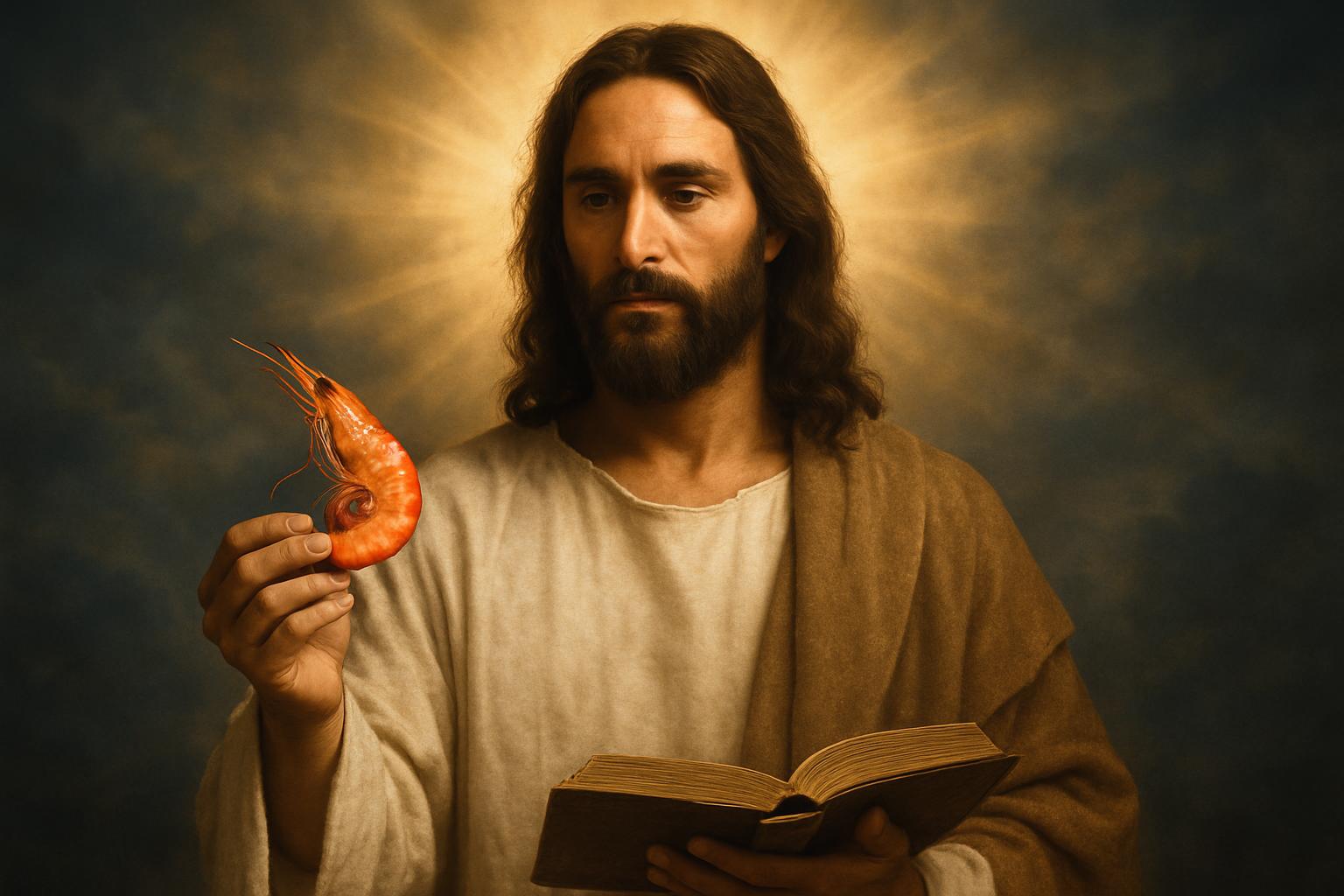
Have you ever wondered if the Bible prohibits eating shrimp? In this blog post, we will explore the topic to provide clarity on whether or not it says in the Bible not to eat shrimp. Understanding the cultural and historical context behind dietary restrictions mentioned in the Bible can deepen our appreciation for the wisdom and teachings within the holy scriptures.
By delving into this question, we can gain insight into the significance of dietary laws in the Bible and how they have shaped various religious practices and beliefs over time. This exploration can also prompt reflection on the importance of interpretation and context when studying religious texts, ultimately enriching our understanding of the complexities and nuances found within the pages of the Bible.
Exploring the Biblical Perspective: Is Eating Shrimp Forbidden According to the Bible?
In the Bible, there are dietary laws outlined in the Old Testament that provide guidelines on what foods are considered clean and unclean for consumption. One of these dietary restrictions is regarding the consumption of shellfish, which includes shrimp.
The prohibition against eating shrimp can be found in the book of Leviticus, specifically in chapter 11, verses 9-12. These verses list various sea creatures that are considered unclean, and among them are shrimp. The passage reads:
Leviticus 11:9-12
“Of all the creatures living in the water of the seas and the streams, you may eat any that have fins and scales. But all creatures in the seas or streams that do not have fins and scales – whether among all the swarming things or among all the other living creatures in the water – you are to regard as unclean.”
Shrimp are crustaceans that do not have fins and scales, which is why they are categorized as unclean according to the dietary laws outlined in the Bible. This distinction between clean and unclean animals was important within the context of the ancient Israelite culture, as it was believed to promote holiness and obedience to God’s commands.
It is worth noting that these dietary laws were specific to the Israelites under the Old Covenant and were meant to set them apart from other nations. In the New Testament, particularly in the book of Acts, there is a shift in understanding regarding dietary restrictions. In Acts 10, Peter has a vision where he is instructed by God to not call anything impure that God has made clean. This vision is interpreted as a symbol of the inclusion of the Gentiles into the faith, but it also carries implications for dietary practices.
As a result, many Christians do not adhere strictly to the dietary laws found in the Old Testament, including the prohibition against eating shrimp. They believe that these laws were fulfilled in Christ and that dietary restrictions are no longer necessary for salvation or spiritual purity. Instead, the focus is often placed on principles of love, grace, and freedom in Christ.
Overall, while the Bible does explicitly mention not to eat shrimp in the context of the Old Testament dietary laws, the interpretation and application of these laws have evolved within Christian theology over time. This topic continues to be a subject of discussion and debate among believers, with varying perspectives on the relevance of these dietary restrictions in modern times.
What does it say in the Bible about not eating shrimp?
In the Bible, specifically in the Old Testament book of Leviticus 11:9-12, eating shrimp is considered an abomination. These verses are part of the dietary laws outlined for the Israelites, where certain animals are deemed unclean and should not be consumed. Shrimp, along with other seafood without fins or scales, falls into this category. This restriction is no longer binding for Christians today, as it was given to the Israelites as part of the Mosaic Law.
What seafood does the Bible say not to eat?
In the Bible, Leviticus 11:9-12 mentions that seafood without fins and scales should not be eaten. This includes creatures such as shellfish, eels, and most types of seafood other than fish with scales and fins. These restrictions are part of the dietary laws outlined in the Old Testament.
Can Christians eat pork and shrimp?
In the Bible, Christians are free to eat pork and shrimp. According to the New Testament, Jesus declared all foods clean (Mark 7:19). This means that dietary restrictions outlined in the Old Testament, such as the prohibition against eating pork and shrimp found in Leviticus 11, no longer apply to Christians. The apostle Paul also reaffirmed this freedom in his letters, stating that believers are not bound by food laws and can enjoy all types of food with thanksgiving (Romans 14:14, 1 Timothy 4:4-5).
Why Israelites don t eat shrimp?
In the Bible, Israelites do not eat shrimp because it is considered unclean according to the dietary laws outlined in the Old Testament. In Leviticus 11:9-12, shrimp (and other seafood without fins and scales) are included in a list of animals that are declared unclean for consumption by the Israelites. These laws were given to the Israelites by God through Moses as a way to maintain ritual purity and distinguish them from other nations. While these dietary restrictions are not followed by all modern-day Jews, traditional observant Jews still adhere to these rules as part of their religious practice.