
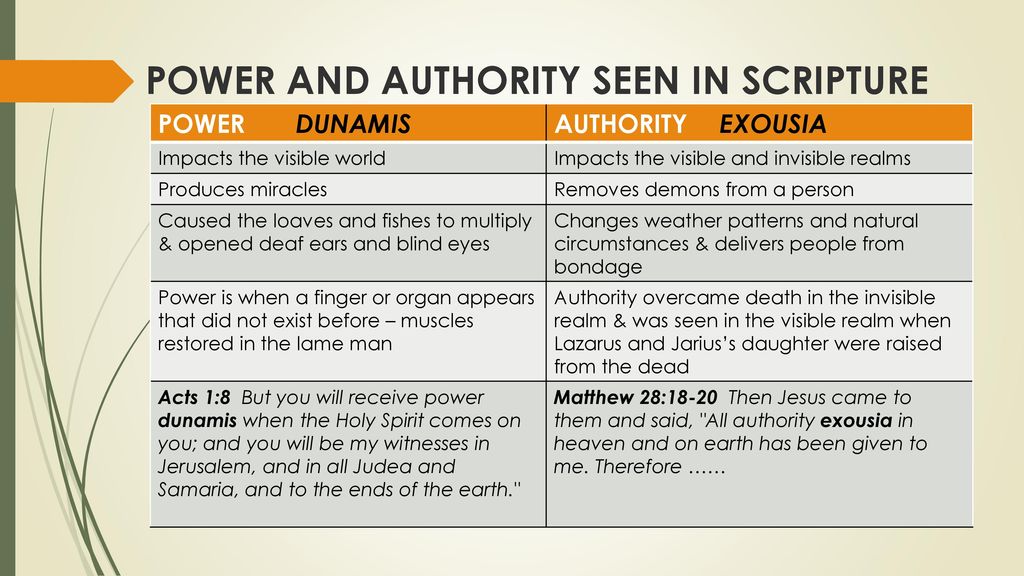
Have you ever wondered about the difference between power and authority when it comes to understanding the Bible? In this blog post, we will delve into these two fundamental concepts and explore how they are depicted in scripture. By gaining a deeper understanding of the distinctions between power and authority in the Bible, we can unlock valuable insights that can enrich our spiritual journey and guide our interpretation of God’s word.
Power and authority are often used interchangeably, but in the context of the Bible, they carry distinct meanings and implications. Through exploring various biblical passages and examples, we will uncover the nuanced differences between power and authority and how they shape our relationship with God and others. Understanding these concepts can empower us to navigate complex theological discussions and apply biblical principles more effectively in our daily lives. Join us on this enlightening journey as we unravel the difference between power and authority in the Bible and discover the transformative impact they can have on our faith.
Exploring the Distinction: Power vs. Authority in the Bible
Power and authority are two important concepts that are often discussed in the context of the Bible. While these terms are sometimes used interchangeably, they actually have distinct meanings and implications in biblical teachings.
In the Bible, power is often associated with the ability to act or influence others. It can refer to physical strength, supernatural abilities, or political influence. Many biblical figures, such as Moses, David, and Elijah, were known for their displays of power through miracles, battles, and leadership. The concept of power in the Bible can also be related to the idea of God’s omnipotence and sovereignty over all creation.
On the other hand, authority in the Bible is about the right to rule or make decisions. It is closely linked to the idea of submission and obedience to God’s will. Throughout the Bible, various leaders and rulers are granted authority by God to carry out His purposes and govern His people. For example, kings like Solomon and judges like Deborah are portrayed as having authority from God to lead and judge the Israelites.
One key distinction between power and authority in the Bible is that power can be obtained or wielded through various means, including force or manipulation, while authority is ultimately derived from God and His divine plan. This distinction is reflected in passages like Romans 13:1, which states, “Let everyone be subject to the governing authorities, for there is no authority except that which God has established.”
Ultimately, the concepts of power and authority in the Bible serve to emphasize the importance of recognizing God’s ultimate supremacy and submitting to His will. By understanding the differences between power and authority in the biblical context, believers can gain a deeper appreciation for God’s sovereignty and the proper order of relationships and leadership within the Christian community.
What is the difference between power and authority in the Bible?
In the Bible, power and authority are two distinct concepts.
Power refers to the ability to act or produce an effect. It is often associated with strength, might, or control. In the Bible, we see examples of God’s power demonstrated through miracles, signs, and wonders. Believers also receive power from the Holy Spirit to carry out God’s work on earth.
On the other hand, authority is the right or permission to exercise power. It is about having the legitimate ability to make decisions or give commands. In the Bible, authority is often linked to leadership roles such as kings, prophets, priests, and Jesus himself who had authority over demons, sickness, and sin.
While power and authority can overlap at times, they are not the same. Power without authority can lead to chaos, while authority without power may lack the ability to enforce its decisions. Ultimately, both power and authority in the Bible are ultimately derived from God, who is the ultimate source of all power and authority.
What is the difference between power and authority?
In the context of the Bible, the difference between power and authority lies in their sources and implications.
Power refers to the ability to act or influence others, often stemming from one’s strength, resources, or position. In the Bible, power can be manifested through miracles, signs, and wonders, demonstrating God’s might and sovereignty.
Authority, on the other hand, involves the right to exercise power, typically granted by a higher authority. In the Bible, authority is often associated with God’s divine will and Word. For example, Jesus was noted for teaching with authority because His teachings were grounded in the truth of God’s Word.
While power can be wielded without authority, true authority carries with it a sense of legitimacy and accountability. Ultimately, in the biblical context, both power and authority derive from God, and believers are called to submit to God’s authority while stewarding the gifts and responsibilities given to them with humility and integrity.
What is the difference between power and authority in Luke 9:1?
In Luke 9:1, the difference between power and authority is significant. Power refers to the ability to do something or to act with force, while authority is the right or permission to exercise power. In this specific verse, Jesus gives his disciples power and authority over all demons and to cure diseases. This signifies that not only did the disciples have the ability (power) to perform miracles, but they also had the legitimacy and permission (authority) to do so, granted by Jesus himself. This distinction highlights the divine empowerment and commissioning of the disciples for their ministry work.
What is the spiritual meaning of power and authority?
In the Bible, power and authority are significant themes that point to the divine sovereignty of God. Power is often associated with the ability to act or produce an effect, while authority refers to the right to exercise power.
In the spiritual sense, power and authority are intertwined and attributed to God Himself. In the Old Testament, we see examples of God’s supreme power and authority in His creation of the world (Genesis 1) and His deliverance of the Israelites from Egypt (Exodus).
In the New Testament, Jesus Christ is portrayed as having both power and authority. In Matthew 28:18, Jesus declares, “All authority in heaven and on earth has been given to me.” This statement emphasizes Jesus’ divine authority over all creation.
Believers are also granted a measure of power and authority through the Holy Spirit. In Acts 1:8, Jesus tells His disciples, “But you will receive power when the Holy Spirit comes on you.” This empowers them to spread the Gospel and perform miraculous signs in the name of Jesus.
Overall, the spiritual meaning of power and authority in the Bible underscores the supremacy and sovereignty of God, as well as the empowerment of believers to carry out His will on earth.