
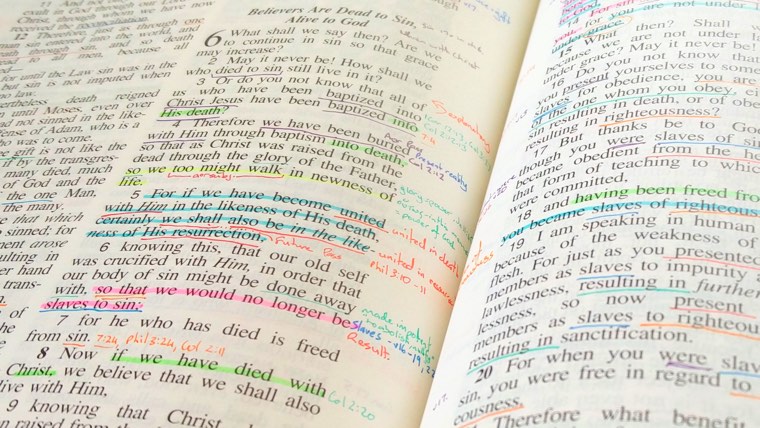
Have you ever wondered about the significance of writing in your Bible? While some may hesitate to mark up these sacred texts, there are actually many benefits to engaging with the scriptures in a more interactive way. In this blog post, we will explore the practice of writing in the Bible and how it can deepen your understanding, connection, and reflection on the Word of God.
Writing in your Bible can be a powerful tool for personal growth and spiritual development. By jotting down notes, insights, prayers, and reflections directly in your Bible, you create a personalized record of your journey through the scriptures. Not only does this aid in memory retention and comprehension, but it also allows for a more intimate and interactive experience with the text. Join us as we delve into the art of writing in the Bible and discover the transformative impact it can have on your faith journey.
Exploring the Art of Writing in the Bible
Can You Write in the Bible?
Many people have wondered whether it is appropriate or permissible to write in the Bible. The Bible is a sacred text for millions of people around the world, so it is understandable that some may feel hesitant to mark it in any way. However, the act of writing in the Bible can be a personal and meaningful practice for some individuals.
There is no explicit rule in the Bible that prohibits writing in it. In fact, throughout history, many scholars, theologians, and individuals have annotated their Bibles with notes, reflections, and insights. These annotations can enhance one’s understanding of the text and provide a deeper connection to the teachings within.
Some argue that writing in the Bible shows reverence and respect for the Word of God. By engaging with the text in a personal way, individuals can create a lasting record of their spiritual journey and growth. Writing in the margins of the Bible can serve as a form of meditation, prayer, and contemplation.
However, it is essential to approach the act of writing in the Bible with care and reverence. While adding notes and reflections can be a valuable practice, it is important to remember the sacred nature of the text. Some may choose to use pencil or special pens that do not bleed through the pages to minimize any damage to the text.
Ultimately, whether or not you choose to write in the Bible is a personal decision. It is essential to consider your intentions and motivations behind annotating the text. If writing in the Bible helps you engage more deeply with the teachings and messages within, then it can be a meaningful and enriching practice for your spiritual journey.
Is it proper to write in a Bible?
Yes, it is a personal decision whether or not to write in a Bible. Writing in a Bible can help with personal reflection, note-taking, and highlighting important passages. Some people find it beneficial to interact with the text in this way, while others prefer to keep their Bibles clean and free of markings. Ultimately, how you engage with your Bible is up to you and what helps you best connect with the Word of God.
What does God say about writing in the Bible?
In the Bible, God emphasizes the importance of writing in various passages. For example, in Habakkuk 2:2-3, it says, “Then the Lord replied: ‘Write down the revelation and make it plain on tablets so that a herald may run with it. For the revelation awaits an appointed time; it speaks of the end and will not prove false. Though it linger, wait for it; it will certainly come and will not delay.'” This shows that writing is a powerful way to preserve God’s messages and share them with others.
What happens if you write in the Bible?
In the context of the Bible, writing in it is generally discouraged and considered disrespectful. The Bible is seen as a sacred text, and altering its content can be seen as tampering with the word of God. However, there are instances where individuals may make notes or annotations in their personal Bibles for study purposes, but this should be done with reverence and care.
It is important to remember that the Bible is a holy scripture revered by millions of people around the world, and any alterations or additions to its text should be approached with caution and respect.
Can you write notes in the Bible?
Yes, it is common practice for individuals to write notes in their Bibles to help them remember insights, reflections, or cross-references. Many people find writing notes directly in their Bibles to be a useful way of personalizing their study and enhancing their understanding of the text. Some may use colored pens or highlighters to draw attention to specific verses or themes, while others may jot down thoughts or questions in the margins. However, it’s important to do so respectfully and with reverence for the sacred text. Remember that the Bible is considered holy by many, so treat it with care and consider using pencil or special Bible-friendly pens to avoid damaging the pages.