
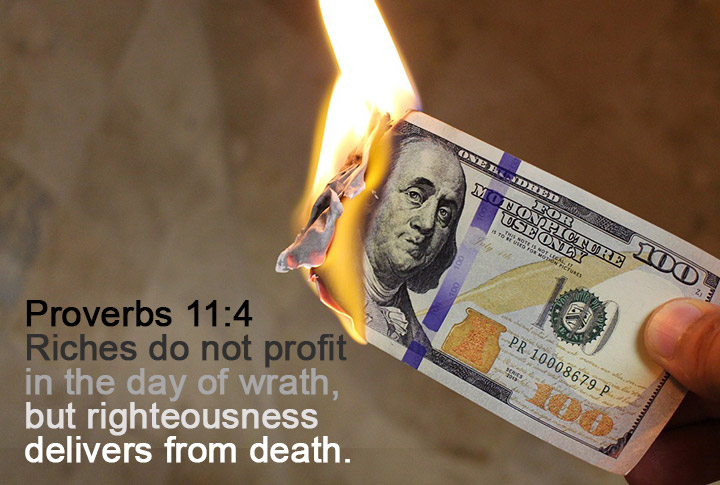
Have you ever wondered what the Bible has to say about the concept of a one world currency? In a world where globalization is on the rise and digital currencies are becoming more prevalent, understanding the biblical perspective on this topic can provide valuable insights. While the idea of a universal form of currency may seem convenient on the surface, delving into the Scriptures can shed light on the potential implications and consequences of such a system.
Exploring what the Bible says about a one world currency can help us discern the significance of economic unity and its impact on society. By examining key passages and principles, we can gain a deeper understanding of how financial systems align with God’s plan for humanity. Ultimately, delving into this topic can lead us to reflect on the importance of stewardship, fairness, and trust in our dealings with money, highlighting the timeless wisdom found in the Word of God.
The Bible’s Perspective on the Concept of a One World Currency
What Does the Bible Say About One World Currency
The concept of a one world currency is a topic that has interested many over the years, especially with the increasing globalization and interconnectedness of our world. The idea of a single currency that would be used worldwide raises questions about its implications and potential consequences. From a biblical perspective, the idea of a one world currency is not explicitly mentioned in the scriptures, but there are passages that may provide some insights and considerations.
One of the most cited verses in relation to a one world currency is found in the Book of Revelation, specifically in Revelation 13:16-17, which speaks of a mark that people will have to receive on their hands or foreheads in order to buy or sell. While this passage does not explicitly mention a global currency, it has been interpreted by some as a possible reference to a system of economic control that could involve a universal currency.
In a broader sense, the Bible often speaks about the dangers of putting our trust in material wealth and possessions. In Matthew 6:24, Jesus states, “No one can serve two masters. Either you will hate the one and love the other, or you will be devoted to the one and despise the other. You cannot serve both God and money.” This caution against the love of money and the pursuit of wealth at all costs serves as a reminder to prioritize spiritual values over material gain.
Additionally, the Bible warns against the worship of money and material possessions. In 1 Timothy 6:10, it is written, “For the love of money is a root of all kinds of evil. Some people, eager for money, have wandered from the faith and pierced themselves with many griefs.” This verse underscores the potential dangers of placing too much emphasis on financial gain and the negative consequences that can result from such pursuits.
While the Bible may not provide a clear answer on the concept of a one world currency, it does offer valuable principles and teachings on wealth, material possessions, and the importance of prioritizing spiritual values over worldly desires. As Christians navigate discussions and debates surrounding economic systems and global currencies, it is important to keep these biblical truths in mind and ensure that our choices reflect our commitment to serving God above all else.
What does the Bible say about foreign currency?
The Bible does not specifically address the use of foreign currency. However, there are some general principles that can be applied to how Christians should handle money in any form. One important principle is found in 1 Timothy 6:10, which says, “For the love of money is a root of all kinds of evil.” This verse reminds us that our attitude towards money, whether foreign or domestic, should not be one of greed or love for wealth.
Another relevant passage is Matthew 6:24, where Jesus says, “No one can serve two masters. Either you will hate the one and love the other, or you will be devoted to the one and despise the other. You cannot serve both God and money.” This verse emphasizes the importance of prioritizing our relationship with God over material possessions, including foreign currency.
In summary, while the Bible may not directly mention foreign currency, its teachings on money management, contentment, and priorities can guide Christians in how they approach financial matters, regardless of the form in which money is held.
What does one world currency mean?
One world currency in the context of the Bible is often associated with the concept of a global economic system controlled by a single monetary authority. This idea is sometimes linked to prophecies in the Book of Revelation, particularly in chapter 13 where it mentions a mark on the forehead or hand that allows buying and selling. The enforcement of a one world currency could potentially lead to centralized control and manipulation of financial transactions, raising concerns among some interpretations of biblical prophecy about the rise of a global government or system that goes against God’s divine order. However, interpretations of these passages vary among scholars and theologians, so it is important to approach this topic with discernment and consider different perspectives.
Does the Bible mention the United States?
The United States is not mentioned in the Bible since the events described in the Bible took place long before the establishment of the United States as a nation. The Bible primarily focuses on events and people in the ancient Near East, particularly in the regions of Mesopotamia, Egypt, Israel, and surrounding areas. While the Bible does not specifically mention the United States, some individuals may interpret certain passages or prophecies in a way that they believe could be related to current events or nations, including the United States, but these interpretations are subjective and not explicitly stated in the text.
What is spiritual currency in the Bible?
In the Bible, spiritual currency refers to the value or importance placed on spiritual matters and principles. It signifies the spiritual wealth or blessings that believers accumulate through their faith, good deeds, and relationship with God. This concept highlights the idea that spiritual growth and connection with God are more valuable than material wealth or possessions. It emphasizes the eternal significance of investing in one’s spiritual life and prioritizing matters of faith over worldly pursuits.