
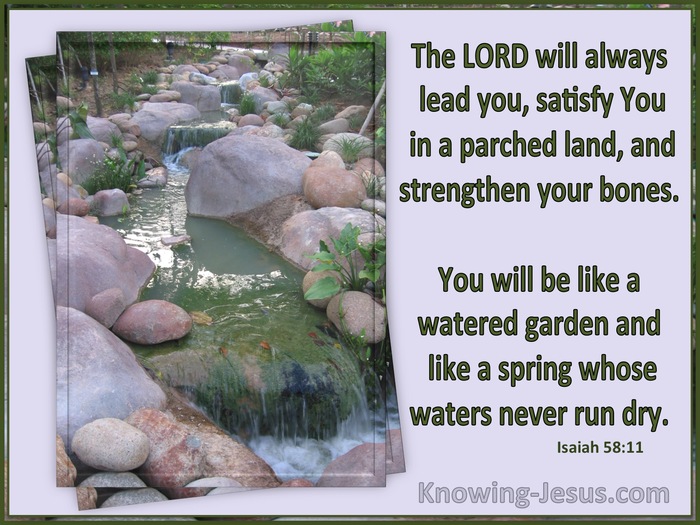
Have you ever considered what the Bible has to say about gardening? Delving into the ancient scriptures reveals a wealth of wisdom and guidance on this timeless practice. From the creation story in Genesis to the parables shared by Jesus, the Bible offers insights that can enrich our understanding and approach to gardening. Let’s explore together the spiritual significance and practical lessons that can be gleaned from the biblical perspective on cultivating the land.
Gardening is not just a hobby or a means of sustenance; it is a deeply rooted practice that nourishes the body, mind, and soul. As we dig deeper into what the Bible says about gardening, we discover themes of stewardship, patience, and abundance. The act of tending to the soil and nurturing life mirrors the care and attention that God provides for us, His creation. By aligning our efforts in the garden with the principles laid out in the Bible, we can experience a closer connection to nature, a sense of gratitude for God’s provision, and the joy of witnessing growth and transformation right before our eyes.
Exploring Biblical Perspectives on Cultivating Gardens: Insights from Scripture
What Does the Bible Say About Gardening
Gardening is a common and ancient practice that is often mentioned in the Bible. Throughout the scriptures, there are numerous references to gardens, plants, sowing, reaping, and cultivation. These references provide valuable lessons and insights into the spiritual significance of gardening.
In Genesis, the first book of the Bible, we read about the Garden of Eden, where God placed Adam and Eve. This garden was a place of beauty and abundance, where everything was provided for them. It symbolizes the perfect harmony between humanity and nature, as well as the close relationship between humanity and God.
In the New Testament, Jesus often used agricultural metaphors and parables to convey spiritual truths. In the parable of the sower, for example, Jesus compares the human heart to different types of soil, highlighting the importance of cultivating a receptive heart to receive the word of God.
The Bible also emphasizes the importance of stewardship and care for the land. In the book of Genesis, God commands Adam to cultivate and care for the garden, showing that we are called to be good stewards of the earth and to work diligently to sustain and preserve it.
Additionally, the Bible contains many verses that speak to the beauty and wonder of God’s creation, including the diverse array of plants and flowers that adorn the earth. These verses remind us of the importance of appreciating and caring for the natural world around us.
In conclusion, the Bible offers valuable insights into the practice of gardening and the spiritual significance of tending to the land. By engaging in gardening, we can connect with God’s creation, learn important lessons about stewardship and care, and experience the beauty and wonder of the natural world.
What does Jesus say about gardening?
In the Bible, Jesus often used agricultural references and parables to convey spiritual truths. One famous example is found in the Gospel of John 15:1-2, where Jesus says, “I am the true vine, and my Father is the gardener. He cuts off every branch in me that bears no fruit, while every branch that does bear fruit he prunes so that it will be even more fruitful.”
This metaphor of Jesus being the vine and God being the gardener highlights the importance of spiritual growth and bearing fruit in one’s Christian life. It emphasizes the need for pruning – the process of cutting away what is dead or unnecessary to promote new growth and productivity.
Through this analogy, Jesus teaches us about the importance of abiding in Him, staying connected to the source of life and nourishment. Just as a branch cannot bear fruit unless it remains in the vine, believers are encouraged to remain in close relationship with Jesus to bear spiritual fruit in their lives.
Overall, Jesus’ teachings on gardening serve as a powerful reminder of the life-giving connection we have with Him and the transformative work that God does in our lives to help us grow and flourish in faith.
Does God want us to garden?
In the Bible, God is often portrayed as a gardener or someone who cares for His creation. In Genesis 2:15, it says, “The Lord God took the man and put him in the Garden of Eden to work it and take care of it.” This indicates that God values and encourages us to be stewards of the earth, just like a gardener tends to his garden.
Therefore, while there may not be a direct commandment stating, “Thou shalt garden,” the principle of stewardship and caring for the earth is certainly present in the Bible. Gardening can be a way for us to connect with God’s creation, appreciate His handiwork, and practice good stewardship of the resources He has given us. So, while it may not be a strict requirement, gardening can be a fulfilling and meaningful way to worship God through caring for His creation.
What does the Bible say about growing plants?
In the Bible, there are several references to plants and agriculture. One of the most well-known passages that talks about growing plants is found in 1 Corinthians 3:6-9:
“I planted the seed, Apollos watered it, but God made it grow. So neither he who plants nor he who waters is anything, but only God, who makes things grow. The one who plants and the one who waters have one purpose, and they will each be rewarded according to their own labor. For we are co-workers in God’s service; you are God’s field, God’s building.”
This passage emphasizes the role of God in the growth of plants and crops, highlighting that while humans may plant and water, it is ultimately God who brings about the growth and harvest.
Other parts of the Bible, such as Psalm 1:3 and Colossians 2:6-7, also use the imagery of plants and trees to illustrate spiritual growth and flourishing in God’s kingdom.
Overall, the Bible uses the metaphor of planting, watering, and growth to teach important lessons about reliance on God for spiritual nourishment and flourishing.
What do gardens symbolize in the Bible?
In the Bible, gardens symbolize life, fertility, and abundance. They are often used to represent God’s provision and blessings, as seen in the Garden of Eden where God provided everything Adam and Eve needed. Gardens are also associated with restoration and renewal, such as in the imagery of a garden blooming in the wilderness (Isaiah 51:3). Additionally, gardens can symbolize spiritual growth and intimacy with God, like the garden mentioned in the Song of Solomon as a place of intimate communion. Overall, gardens in the Bible carry rich symbolism that reflects various aspects of faith, relationship with God, and the promise of new life.