
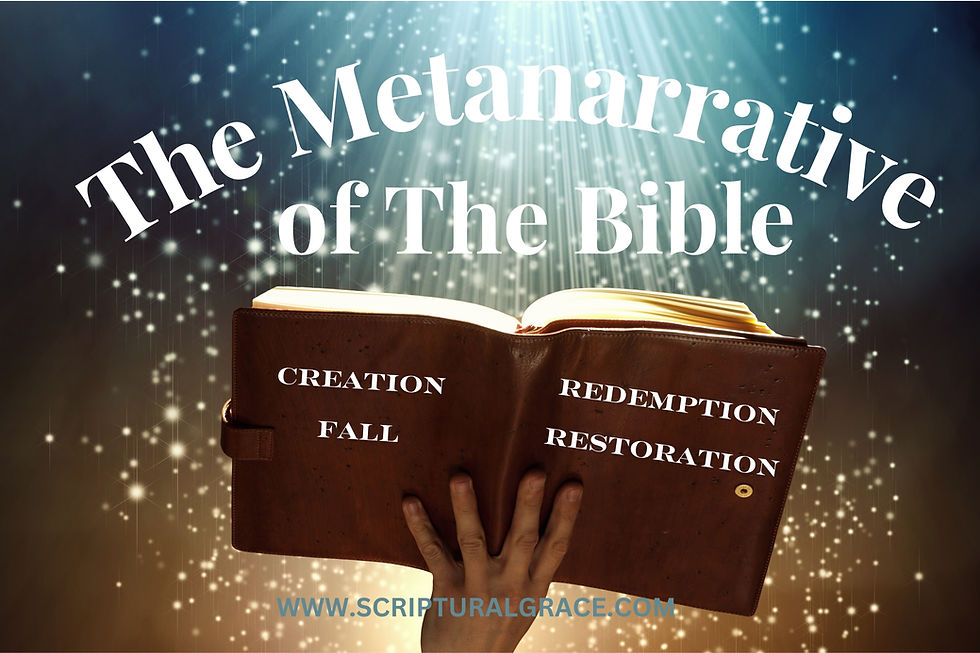
Have you ever wondered about the overarching story that ties together the diverse narratives found in the Bible? In our latest blog post, we explore the fascinating concept of the Metanarrative of the Bible. By understanding this central storyline that runs through the entire Bible, we gain valuable insights into the themes, messages, and ultimate purpose of this ancient text.
Discovering the Metanarrative of the Bible can provide readers with a deeper appreciation for the interconnectedness of its various accounts and teachings. By unraveling this grand narrative thread, we uncover a rich tapestry of meaning and significance that transcends individual stories and characters. Join us on this enlightening journey as we delve into the profound implications of the Metanarrative of the Bible and how it can shape our understanding of faith and spirituality.
Unveiling the Overarching Story of the Bible
The metanarrative of the Bible is the overarching story that ties together its various books and themes into a cohesive whole. It is the grand narrative that presents a unified perspective on the world, creation, humanity, and God’s redemptive plan for all of history. The Bible is not just a collection of disparate stories and teachings; rather, it is a unified narrative that reveals God’s purposes and intentions for His creation.
At its core, the metanarrative of the Bible can be summarized in four main movements:
1. Creation: The Bible begins with the story of God’s creation of the universe and everything in it. This act of creation establishes God as the sovereign ruler and sustainer of all things. God’s creative power and divine authority are central to understanding the metanarrative of the Bible.
2. Fall: The fall of humanity into sin is a crucial turning point in the biblical metanarrative. Through the disobedience of Adam and Eve in the Garden of Eden, sin enters the world and disrupts the harmonious relationship between God and His creation. The consequences of sin reverberate throughout the rest of the biblical narrative.
3. Redemption: Despite humanity’s rebellion and sin, God initiates a plan of redemption to reconcile people to Himself. This plan unfolds throughout the Bible, culminating in the coming of Jesus Christ, who offers salvation and forgiveness to all who believe in Him. Jesus’ life, death, and resurrection are central to the redemptive arc of the Bible.
4. Restoration: The final movement of the biblical metanarrative looks forward to the ultimate restoration of all things. The Bible teaches that one day, God will make all things new, creating a new heaven and a new earth where there will be no more pain, suffering, or death. The hope of restoration is a central theme that runs through the entire Bible.
In addition to these main movements, the metanarrative of the Bible also includes themes of covenant, prophecy, judgment, grace, and the kingdom of God. These themes weave together to form a rich tapestry of God’s interactions with His people throughout history.
Overall, the metanarrative of the Bible presents a coherent and comprehensive view of God’s eternal purposes for the world. It is a story of creation, fall, redemption, and restoration that reveals God’s character, His love for humanity, and His desire to bring about His kingdom on earth. By understanding the metanarrative of the Bible, we can gain insight into the meaning and significance of our own lives within the broader scope of God’s redemptive plan.
What is the metanarrative in the Bible?
The metanarrative in the Bible is the overarching storyline that ties together the various books and themes found within its pages. At its core, the metanarrative of the Bible is centered around the story of God’s redemptive plan for humanity. This plan unfolds through creation, fall, redemption, and restoration.
Throughout the Bible, we see themes of sin, judgment, grace, and redemption repeated in various ways. God’s covenant with His people, the promise of a Messiah, and the ultimate triumph of good over evil are all key elements of the biblical metanarrative.
Ultimately, the metanarrative of the Bible culminates in the person and work of Jesus Christ, who fulfills the prophecies of the Old Testament and provides salvation for all who believe in Him. The Bible tells the story of how God is actively working to reconcile humanity to Himself and restore His creation to its intended perfect state.
What are the six acts in the Bible’s metanarrative?
In the Bible’s metanarrative, there are six acts that outline the overarching story of God’s plan for humanity:
1. Creation – The act of God creating the world and everything in it, as described in the book of Genesis.
2. Fall – The moment when sin entered the world through Adam and Eve’s disobedience, leading to a broken relationship between humanity and God.
3. Israel – God’s covenant with the nation of Israel, chosen to be a light to the nations and a vessel for His redemptive plan.
4. Jesus – The central act of redemption through the life, death, and resurrection of Jesus Christ, who reconciles humanity to God.
5. Church – The formation of the Church as the body of Christ, empowered by the Holy Spirit to continue the mission of sharing the Gospel and making disciples.
6. New Creation – The culmination of God’s plan, where heaven and earth are restored, and God dwells with His people for eternity.
These six acts form the overarching narrative of the Bible, highlighting God’s redemptive work throughout history and offering hope for the future.
What is a metanarrative in simple terms?
A metanarrative in the context of the Bible is a grand overarching story that encompasses and gives meaning to the individual stories within the Bible. It is a unifying narrative that connects various themes, characters, and events throughout the Bible, showing how they all fit together to convey a larger message or truth about God, humanity, and the world. The metanarrative of the Bible often includes themes such as creation, fall, redemption, and restoration, revealing God’s plan for salvation and the ultimate victory of good over evil.
What are the 4 narratives of the Bible?
In the context of the Bible, the four main narratives are:
1. Creation: The story of how God created the world in six days and rested on the seventh day.
2. Fall: The account of Adam and Eve’s disobedience in the Garden of Eden, leading to the introduction of sin into the world.
3. Redemption: The narrative of God’s plan to save humanity through Jesus Christ, culminating in his death and resurrection.
4. Restoration: The promise of a new heaven and a new earth, where God will dwell with his people for eternity.