
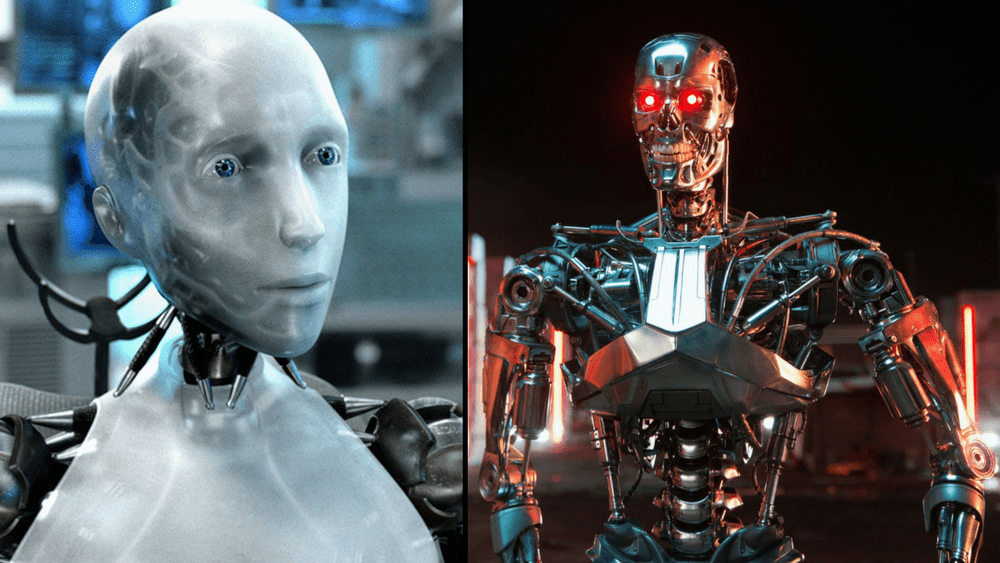
Have you ever wondered what the Bible has to say about robots – the technological marvels of our time? As our world becomes more advanced and interconnected, the topic of artificial intelligence and robotics is becoming increasingly relevant. In this blog post, we will explore what the Bible says about robots and how we can find guidance and wisdom in ancient scriptures for this modern-day issue.
While the Bible may not directly mention robots, its teachings provide timeless principles that can help us navigate the ethical and moral considerations surrounding artificial intelligence. By delving into the Scriptures, we can gain insights on how to approach technology with humility, responsibility, and faith. Join us on this journey as we uncover the spiritual lessons that can be applied to our rapidly evolving technological landscape.
The Bible’s Perspective on Artificial Intelligence and Robotics
Robots are becoming an increasingly prevalent part of society, with advancements in technology allowing them to perform a wide range of tasks. As this technology continues to evolve, questions arise about how robots fit into the plan and purpose that God has for humanity. In seeking answers to these questions, many turn to the Bible for guidance on the role of robots in the world.
While the Bible does not explicitly mention robots, it does offer principles and teachings that can be applied to the topic. One key aspect to consider is the concept of stewardship. In Genesis 1:28, God gives humanity dominion over the earth and all its creatures. This stewardship responsibility includes the use of technology and tools, such as robots, to care for and cultivate the world.
Additionally, the Bible emphasizes the importance of love and compassion in our interactions with others. While robots may be able to perform tasks efficiently, they lack the capacity for empathy and care that humans possess. Christians are called to love their neighbors as themselves and to treat others with kindness and respect. This raises ethical questions about the use of robots in roles that involve human interaction, such as caregiving or companionship.
Another consideration is the issue of power and control. The Bible warns against placing our trust in earthly possessions or technology, as true security and fulfillment can only be found in God. As robots become more advanced and integrated into daily life, it is essential to maintain a perspective that prioritizes the values of faith, hope, and love above material achievements.
In conclusion, while the Bible does not directly address the topic of robots, its teachings provide a framework for discerning the ethical implications of their use. By approaching the development and implementation of robotics with wisdom, humility, and a commitment to upholding moral principles, we can ensure that technology serves the greater good and reflects the values of God’s kingdom.
Does it say anything about robots in the Bible?
The Bible does not mention robots specifically, as the technology did not exist during biblical times. However, there are some verses that some people interpret as potentially alluding to advanced technology or machines in the future. For example, in the book of Daniel 12:4 (NIV) it says, “But you, Daniel, close up and seal the words of the scroll until the time of the end. Many will go here and there to increase knowledge.” Some believe that this could refer to technological advancements that would occur in the end times.
Additionally, the book of Revelation describes various beings and creatures that some could interpret as resembling robots or advanced technology, such as the description of the locusts in Revelation 9:7-10. However, it is important to remember that these interpretations are subjective and speculative, as the Bible does not explicitly mention robots.
What does Christianity say about artificial intelligence?
Christianity does not have a unified stance on artificial intelligence (AI) as it is a relatively new and rapidly developing field. However, there are certain aspects of AI that Christians may consider within the framework of their beliefs.
Some Christians view AI as a tool that can be used for good, such as improving healthcare, increasing efficiency in various industries, and expanding our knowledge of the world. They believe that technology can be a means to further God’s purposes on Earth.
On the other hand, some Christians express concerns about the potential ethical implications of AI, particularly regarding its impact on human relationships, privacy, and autonomy. There are also theological questions about whether AI can possess consciousness, morality, or spiritual significance.
Overall, Christian perspectives on artificial intelligence vary, and conversations about its ethical, social, and theological implications are ongoing within the Christian community. Ultimately, each individual or group may interpret the Bible and apply its teachings differently when considering the development and use of AI.
Does God talk about technology in the Bible?
In the Bible, God does not directly speak about technology as we understand it today. The Bible was written in ancient times, so it does not mention modern technologies such as computers, smartphones, or the internet. However, some scholars and theologians believe that certain Biblical passages can be interpreted to relate to technology indirectly. For example, some suggest that God’s command to Adam and Eve to “subdue the earth” in Genesis 1:28 could be seen as encouraging humans to develop technology for improving their lives. Ultimately, the Bible does not provide explicit guidance on technology, but it does offer principles and values that can be applied to how we approach and use technology in our lives.
What was the sin of Ai in the Bible?
In the Bible, the sin of Ai was disobedience and dishonesty. When the Israelites conquered Jericho, they were commanded by God not to take anything from the city as spoils of war. However, one man from the tribe of Judah, Achan, disobeyed this command and took some of the forbidden items for himself, hiding them in his tent.
When the Israelites later attacked the city of Ai, they were defeated because of Achan’s sin, which had brought a curse upon them. It was only after Achan confessed his sin and the stolen items were removed from the camp that the Israelites were able to defeat Ai in battle.
This incident serves as a reminder of the importance of obedience and honesty in following God’s commands, and the consequences that can result from sin and disobedience.