
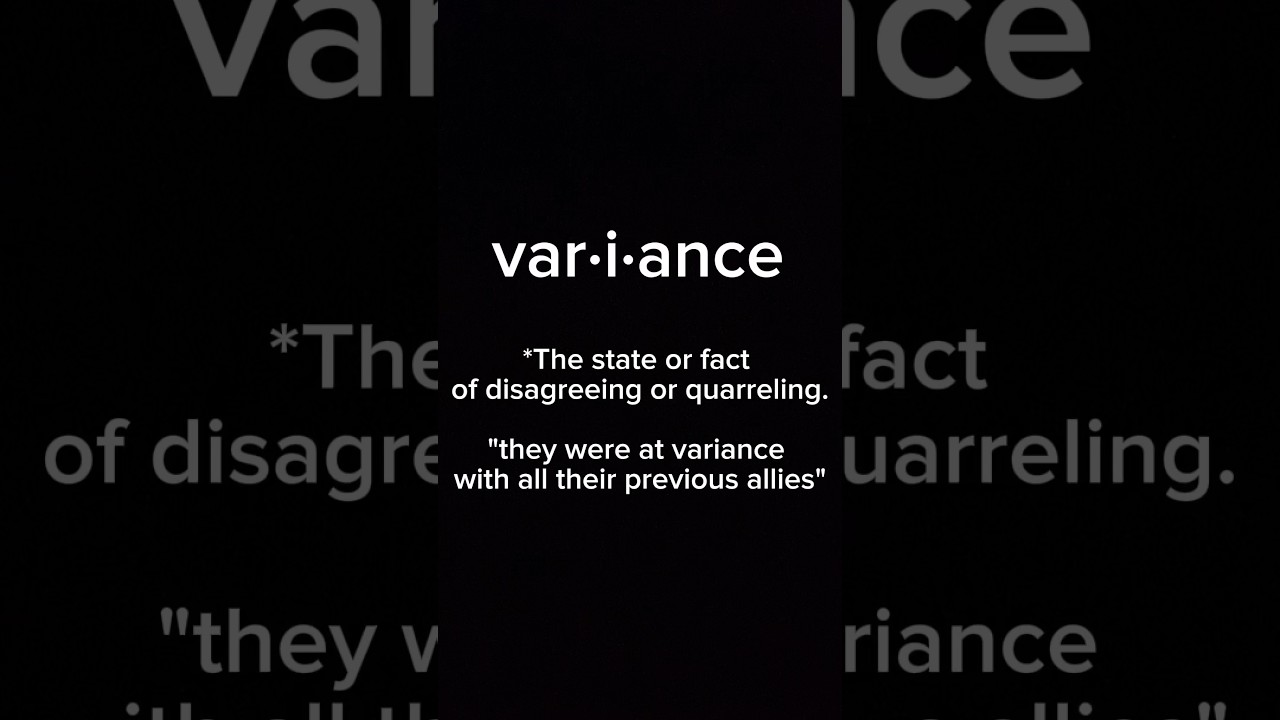
Have you ever come across the term “variance” in the Bible and wondered what it truly means? In this blog post, we will explore the definition of variance in the context of the Bible and uncover its significance in understanding the Word of God. By delving into this topic, we aim to provide clarity and insight into a concept that may appear complex at first glance but holds valuable lessons for our spiritual journey.
Understanding the meaning of variance in the Bible can enrich our comprehension of scripture and deepen our relationship with God. By unraveling the layers of this term, we can gain a new perspective on how God works in our lives and appreciate the diversity found within the pages of the Bible. Join us as we delve into the definition of variance in the Bible and discover the hidden treasures waiting to be uncovered in this fascinating aspect of biblical study.
The Significance of Variance in Biblical Interpretation: Understanding its Definition and Implications
Variance in the Bible
Variance in the Bible refers to a state of conflict, disagreement, or discord among individuals or groups. The concept of variance is often mentioned in relation to relationships between people, communities, and nations throughout the biblical text. It highlights the presence of strife and contention that can arise due to differing beliefs, values, or actions.
The term “variance” is derived from the Latin word “variancia,” meaning diversity or difference. In the context of the Bible, instances of variance can be seen in various forms, such as disputes between siblings like Cain and Abel, conflicts between rulers and subjects, disagreements among disciples of Jesus, and disputes within early Christian communities.
One of the notable mentions of variance in the New Testament is found in the book of Galatians 5:19-21, where the Apostle Paul lists it as one of the works of the flesh, alongside other negative traits such as strife, jealousy, and outbursts of anger. This passage emphasizes the destructive nature of discord and division among believers.
Throughout the Bible, variance is portrayed as a hindrance to unity, peace, and love. It is viewed as a manifestation of sinful human nature that can lead to broken relationships, violence, and alienation from God. However, the scriptures also offer guidance on how to overcome and resolve conflicts through forgiveness, reconciliation, and mutual understanding.
In summary, variance in the Bible serves as a reminder of the consequences of discord and division in human relationships. It underscores the importance of seeking harmony, reconciliation, and unity based on the principles of love, humility, and mutual respect as taught in the teachings of Jesus Christ.
What is the meaning of variance in the Bible?
In the Bible, the term variance can be understood as conflict, discord, or disagreement between individuals. It refers to a state of disharmony or dispute that may arise among people, causing division and strife. The concept of variance is often addressed in the New Testament as a behavior to avoid, emphasizing the importance of unity, peace, and reconciliation among believers. Paul the Apostle, for example, encourages Christians to strive for unity and to live in harmony with one another, seeking to resolve conflicts and maintain loving relationships within the community of faith.
What is the spiritual meaning of variance?
In the context of the Bible, variance can be understood as conflicts, disagreements, or disputes among individuals. The spiritual meaning of variance in the Bible often refers to the strife and division that arise from interpersonal conflicts. It is seen as something that goes against the teachings of love, harmony, and unity that are promoted in the scriptures.
In the New Testament, the Apostle Paul warns against the works of the flesh which include variance, strife, and divisions (Galatians 5:20). These are considered to be contrary to the fruit of the Spirit, which includes love, peace, and unity. Therefore, variance is seen as a hindrance to spiritual growth and community within the Christian faith.
Overall, the spiritual lesson to be learned from variance in the Bible is the importance of seeking unity, reconciliation, and peace among believers. It is a reminder to strive for understanding, empathy, and forgiveness in order to overcome conflicts and differences, and to build a stronger, more loving community based on the teachings of Christ.
What is the full meaning of variance?
In the context of the Bible, variance refers to conflict, disagreement or discord among individuals. It signifies a state of discord and division, often caused by differences in opinions, beliefs, or interests. The term can be found in verses such as Galatians 5:20 and Romans 1:29, where it is listed as one of the negative traits or sins that Christians are encouraged to avoid. In essence, variance represents a lack of unity and harmony within a community or group of people.
What is the difference between strife and variance?
In the context of the Bible, strife and variance are both mentioned in reference to negative behaviors or attitudes. Strife typically refers to ongoing conflict, discord, or contention between individuals or groups. It often involves heated arguments, hostility, and a lack of harmony.
On the other hand, variance is more about differences of opinion, beliefs, or ways of doing things that can lead to disagreement or division. It may involve disputes arising from differing perspectives or preferences, without necessarily escalating into prolonged conflict.
While strife suggests a more intense and active state of conflict, variance can be seen as a precursor to potential strife if not resolved or managed effectively. Both terms caution against behaviors that can disrupt unity, peace, and goodwill among individuals or communities.