
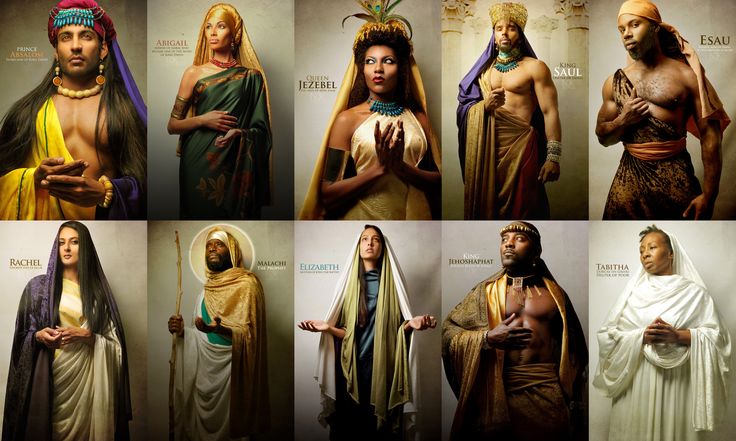
Have you ever wondered what some of the most iconic figures from the Bible would look like in modern-day settings? Renowned artist James C. Lewis brings these timeless characters to life in a unique and captivating way through his series “Icons of the Bible”. With a blend of historical accuracy and contemporary portrayal, Lewis’s artwork offers a fresh perspective on familiar biblical figures, inviting viewers to see them in a new light.
In this blog post, we will delve into Lewis’s extraordinary artistic journey and explore how his innovative interpretations of biblical icons can provide us with valuable insights and deeper connections to these legendary individuals. Through his masterful craftsmanship and attention to detail, Lewis not only showcases his artistic talents but also opens up conversations about faith, culture, and the enduring impact of these age-old stories. Join us on a visual exploration of the Bible like never before with James C. Lewis Icons of the Bible.
Exploring the Timeless Symbolism of James C. Lewis’ Biblical Icons
James C. Lewis is a highly talented artist known for his stunning series of paintings titled “Icons of the Bible.” Through his artwork, Lewis brings to life iconic scenes and figures from the Bible in a contemporary and visually striking manner. His unique style blends traditional iconography with modern techniques, resulting in captivating pieces that resonate with viewers on a deep and spiritual level.
One of the most striking aspects of Lewis’s work is his meticulous attention to detail. Each painting is intricately crafted, with every brushstroke serving a purpose in conveying the story and emotions behind the biblical narrative. From the expression on a character’s face to the fine details of their clothing, Lewis’s artistry breathes new life into familiar stories and characters from the Bible.
Another defining feature of Lewis’s “Icons of the Bible” series is his use of symbolism. Through carefully chosen symbols and motifs, Lewis layers multiple meanings into his paintings, inviting viewers to contemplate the deeper significance of each image. Whether it’s a recurring motif like the dove representing peace and the Holy Spirit, or a subtle detail hidden in the background, Lewis’s use of symbolism adds layers of complexity and richness to his artwork.
In addition to his technical skill and symbolic depth, Lewis’s “Icons of the Bible” series stands out for its diverse representation. By depicting biblical figures from various ethnicities and cultures, Lewis challenges traditional depictions and offers a more inclusive and globally inspired interpretation of these timeless stories. This commitment to diversity not only reflects the multicultural nature of the Bible but also highlights the universal themes and messages that transcend cultural boundaries.
Overall, James C. Lewis’s “Icons of the Bible” series is a testament to the power of art to illuminate and reinterpret ancient texts for a modern audience. Through his masterful craftsmanship, symbolic storytelling, and diverse representation, Lewis invites viewers to see the Bible in a new light and engage with its profound wisdom in a fresh and inspiring way.