
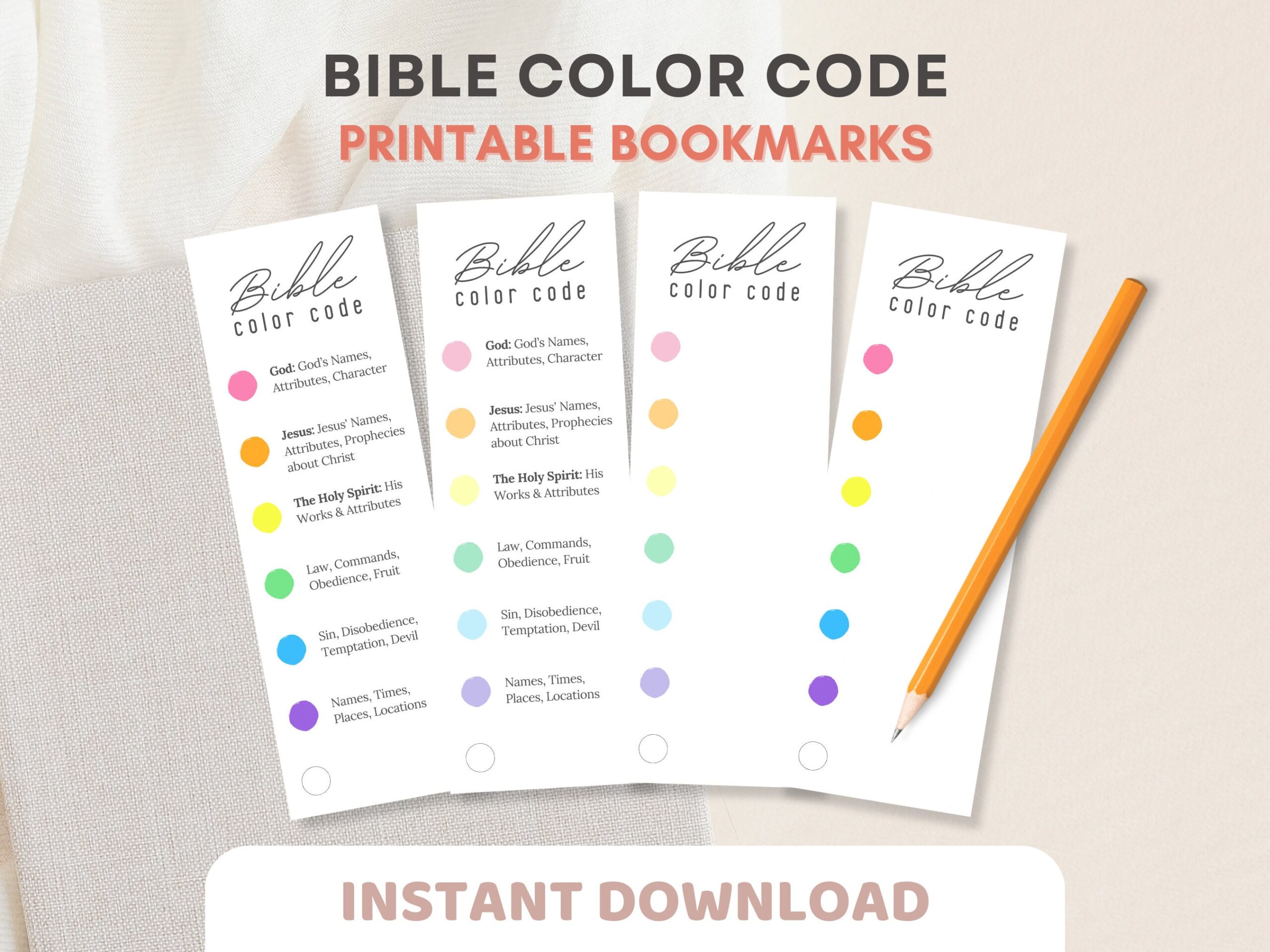
Have you ever wanted a more organized and visually appealing way to highlight important passages in your Bible? Look no further than the Color Coding 4 Color Bible Highlighting System! This simple yet effective method not only helps you easily locate key verses, but also enhances your study experience by adding a new layer of depth and understanding to your readings.
By implementing the Color Coding 4 Color Bible Highlighting System, you’ll be able to categorize different themes or topics with specific colors, making it effortless to navigate through your notes and reflections. This system not only streamlines your study process but also encourages active engagement with the text, allowing you to better grasp the intricate connections between various verses and concepts. Say goodbye to flipping through endless pages in search of that one particular passage – with this color-coded system, your Bible study sessions will become more efficient, impactful, and enjoyable.
Enhance Your Bible Study with the 4-Color Highlighting System
The Color Coding 4 Color Bible Highlighting System is a method used by many Christians to organize and study the Bible more effectively. This system involves using four different colors to highlight key themes or concepts in the text, making it easier to identify and remember important passages. Each color is assigned a specific meaning, allowing readers to quickly see patterns and connections within the text.
The first color in the system is blue, which is often used to highlight passages related to God’s character, promises, and attributes. This can include verses about God’s love, faithfulness, mercy, and sovereignty. By using blue to mark these passages, readers can easily locate and meditate on the nature of God as revealed in the Bible.
The second color is red, which is typically used for verses that speak about sin, judgment, or warnings. This can include passages about repentance, consequences of sin, and the need for redemption. Highlighting these verses in red serves as a reminder of the seriousness of sin and the importance of seeking forgiveness and righteousness.
The third color is green, which is often used for passages about growth, blessings, and encouragement. This can include verses about spiritual growth, answered prayers, and God’s faithfulness in difficult times. Highlighting these passages in green can provide inspiration and hope during challenging seasons of life.
The fourth color is yellow, which is commonly used for verses that contain wisdom, guidance, or commands. This can include teachings from Jesus, practical advice for daily living, and instructions for following God’s will. Highlighting these verses in yellow helps readers focus on applying biblical principles to their lives and making wise choices.
Overall, the Color Coding 4 Color Bible Highlighting System is a helpful tool for organizing and studying the Bible. By assigning specific meanings to different colors and consistently using them throughout the text, readers can deepen their understanding of key themes, track their spiritual growth, and make meaningful connections between different parts of Scripture.
How to color code your Bible highlights?
Color coding your Bible highlights can be a helpful way to organize and categorize your notes and verses for easy reference. Here are some steps to help you color code your highlights:
1. Choose a color code system: Decide on a color scheme that works for you. You can assign different colors to different themes or topics, such as red for salvation, blue for prayers, green for promises, etc.
2. Create a key: Make a key or legend to remember which colors correspond to which themes. You can create a simple list with the colors and their meanings, either in your Bible or in a separate notebook.
3. Highlight as you read: As you read your Bible, use your chosen highlighters to mark verses according to your color code system. This will help you quickly identify and reference specific themes or topics in the future.
4. Review and reflect: Periodically review your color-coded highlights to see patterns and connections between verses. Reflect on how the different themes and messages intersect and complement each other.
5. Stay consistent: To make the most of your color coding system, be consistent in applying it to your Bible study. This will help reinforce the connections between verses and themes in your mind.
By color coding your Bible highlights, you can enhance your study and understanding of the Word of God by visually organizing and prioritizing important messages and themes.
What are the 4 colors of the Bible?
In the context of the Bible, the four colors often associated with biblical symbolism are purple, scarlet, white, and blue. Each of these colors holds significance and is repeatedly mentioned throughout the scriptures.
What are the color codes for the Bible books?
In the context of the Bible, each book is represented by a specific color code for easy reference. Here are some common color codes used for grouping the books of the Bible:
- Pentateuch (Genesis, Exodus, Leviticus, Numbers, Deuteronomy): Tan or gold
- Historical Books (Joshua, Judges, Ruth, 1 Samuel, 2 Samuel, 1 Kings, 2 Kings, 1 Chronicles, 2 Chronicles, Ezra, Nehemiah, Esther): Light blue
- Wisdom Literature (Job, Psalms, Proverbs, Ecclesiastes, Song of Solomon): Dark green
- Major Prophets (Isaiah, Jeremiah, Lamentations, Ezekiel, Daniel): Red
- Minor Prophets (Hosea, Joel, Amos, Obadiah, Jonah, Micah, Nahum, Habakkuk, Zephaniah, Haggai, Zechariah, Malachi): Purple
These color codes are often used in Bibles with additional study tools or visual aids to help readers easily identify and locate different sections of the Bible.
What color highlighter to use in Bible?
When choosing a color highlighter for your Bible, it ultimately comes down to personal preference. However, many people find that using multiple colors can be helpful for differentiating between themes or types of passages. Some popular choices include:
- Yellow: Great for highlighting general passages or verses that speak to you personally.
- Blue: Often used for verses related to salvation or grace.
- Green: Ideal for highlighting growth or spiritual maturity themes.
- Pink: Commonly used for passages about love, compassion, or relationships.
- Orange: Can be used for verses about prayer or guidance.
- Purple: Often chosen for highlighting passages about royalty, majesty, or the sovereignty of God.
Ultimately, the key is to choose colors that help you easily identify and remember the important themes or messages that resonate with you as you read and study your Bible.