
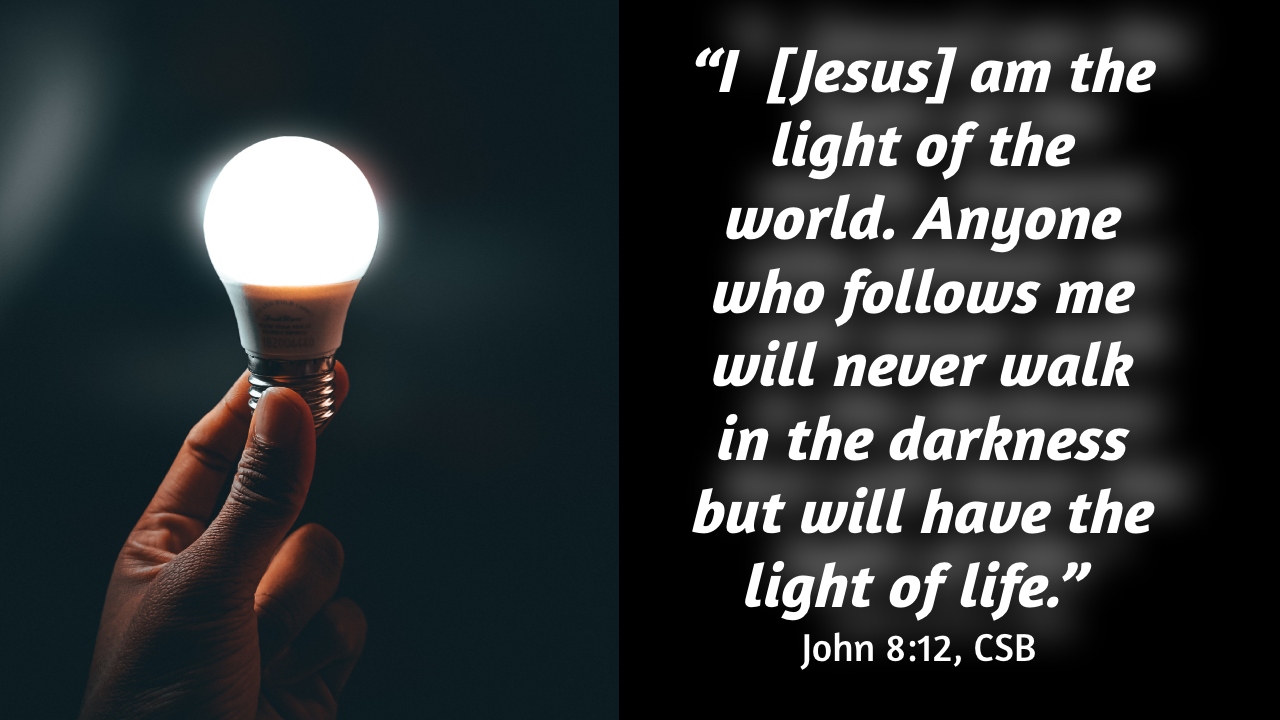
Have you ever stopped to ponder the significance of light in the Bible? From the very beginning, light plays a crucial role in conveying spiritual truths and symbolizing divine presence. In this blog post, we will explore the various types of light mentioned in the Bible and unravel the profound meanings behind them.
Understanding the different types of light in the Bible can deepen our appreciation for the richness of its symbolism and help us connect more deeply with the Word of God. By delving into the significance of light as described in Scripture, we can gain valuable insights into God’s character, His guidance in our lives, and the hope that illuminates our path even in the darkest of times. Join us on this enlightening journey through the pages of the Bible as we uncover the diverse manifestations of light and their powerful messages for our faith journey.
Exploring the Different Types of Light in the Bible: Illuminating Insights from Scripture
In the Bible, light is a powerful symbol that is used in various contexts to convey different meanings and representations. Throughout the scriptures, light is often associated with divinity, truth, righteousness, and guidance. Understanding the types of light mentioned in the Bible can provide deeper insights into the spiritual significance of light in Christian theology.
1. Natural Light: In the creation story in the Book of Genesis, God creates light on the first day, separating it from darkness. This natural light serves as a symbol of God’s power, creativity, and presence in the world. It represents the physical manifestation of God’s divine energy and serves as a metaphor for illumination and enlightenment.
2. Spiritual Light: Beyond physical light, the Bible also speaks of spiritual light that represents God’s truth and righteousness. In the Psalms, we find verses such as “Your word is a lamp to my feet and a light to my path” (Psalm 119:105), highlighting the idea of God’s word illuminating our understanding and guiding our steps.
3. Messianic Light: The New Testament introduces the concept of Jesus Christ as the light of the world. In the Gospel of John, Jesus declares, “I am the light of the world. Whoever follows me will not walk in darkness but will have the light of life” (John 8:12). This imagery portrays Jesus as the source of spiritual illumination and salvation, leading believers out of darkness and into God’s divine light.
4. Eternal Light: In the book of Revelation, we encounter the concept of eternal light in the New Jerusalem, where there is no need for sun or moon because the glory of God illuminates the city. This eternal light symbolizes the everlasting presence of God, his divine glory, and the promise of eternal life for believers.
5. Guiding Light: Throughout the Bible, light is often associated with guidance and direction. Just as a lamp shines in the darkness to show the way, God’s light illuminates the path for his followers. Proverbs 6:23 states, “For the commandment is a lamp and the teaching a light, and the reproofs of discipline are the way of life,” emphasizing the role of God’s teachings in guiding believers.
6. Purifying Light: Light is also used as a symbol of purity and righteousness in the Bible. In 1 John 1:7, it is written, “But if we walk in the light, as he is in the light, we have fellowship with one another, and the blood of Jesus his Son cleanses us from all sin.” This verse highlights the idea that walking in God’s light leads to spiritual cleansing and restoration.
Overall, the various types of light mentioned in the Bible carry profound spiritual significance and serve as powerful symbols of God’s presence, truth, guidance, and salvation in the lives of believers. As we meditate on these biblical references to light, may we seek to walk in the light of God’s truth and allow his illumination to lead us on the path of righteousness and eternal life.
What are the different types of light in the Bible?
In the Bible, there are several types of light mentioned that hold significant symbolic meanings. Here are some of them:
1. Physical Light: In Genesis 1:3-4, God created light and separated it from darkness, establishing day and night.
2. Spiritual Light: Psalms 119:105 states, “Your word is a lamp to my feet and a light to my path,” indicating that the scriptures provide guidance and illumination in life.
3. Divine Light: In 1 John 1:5, it is written, “God is light, and in Him is no darkness at all,” emphasizing God’s purity, holiness, and truth.
4. Jesus as Light: John 8:12 records Jesus saying, “I am the light of the world. Whoever follows me will never walk in darkness but will have the light of life,” portraying Jesus as the source of spiritual illumination and salvation.
5. Wisdom as Light: Proverbs 6:23 mentions, “For the commandment is a lamp and the teaching a light, and the reproofs of discipline are the way of life,” highlighting how wisdom leads to righteousness and understanding.
These different types of light in the Bible serve as metaphors for enlightenment, truth, guidance, and salvation, conveying important spiritual concepts to believers.
What are the seven lights in the Bible?
In the Bible, the phrase “seven lights” is often associated with the seven lamps on the golden lampstand, also known as the menorah, in the Tabernacle and later in the Temple. The seven lights represent the seven spirits of God mentioned in the Book of Revelation. These are commonly interpreted as symbolic of the completeness and perfection of the Holy Spirit.
What are the 5 characteristics of light in the Bible?
1. Guidance: Light is often used in the Bible to symbolize guidance or direction. In Psalm 119:105, it says, “Your word is a lamp to my feet and a light to my path.”
2. Revelation: Light is associated with the revealing of truth and knowledge. In John 8:12, Jesus said, “I am the light of the world. Whoever follows me will not walk in darkness, but will have the light of life.”
3. Purity: Light is also linked to purity and holiness. 1 John 1:5 declares, “God is light; in him there is no darkness at all.”
4. Life: Light represents life and vitality. In Psalm 36:9, it states, “For with you is the fountain of life; in your light we see light.”
5. Victory: Light is associated with victory over darkness and evil. In John 1:5, it says, “The light shines in the darkness, and the darkness has not overcome it.”
How many light is in the Bible?
In the Bible, light is mentioned numerous times. The concept of light is often used metaphorically to represent goodness, truth, and God’s presence. For example, in Genesis 1:3, it says, “And God said, ‘Let there be light,’ and there was light.” Throughout the Bible, light is used to symbolize spiritual enlightenment and divine guidance.