
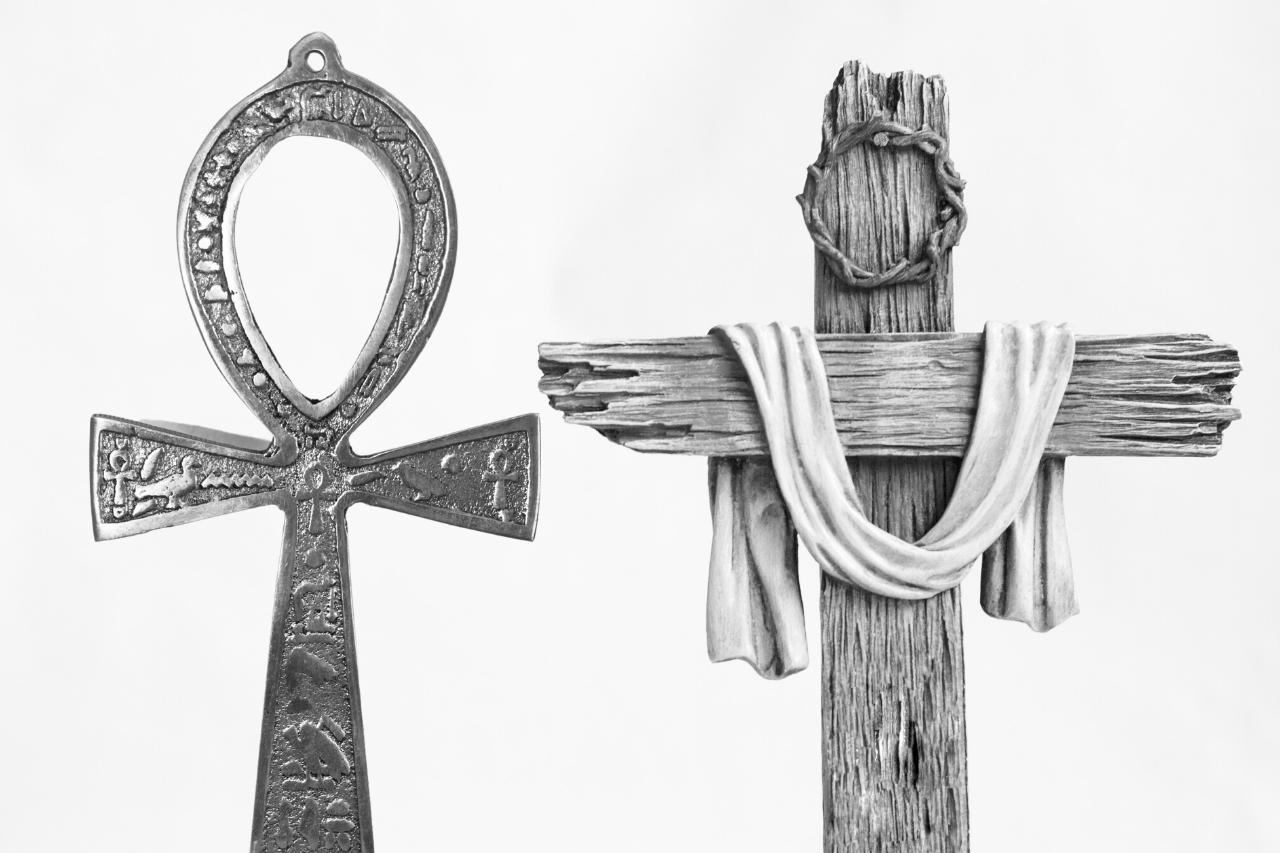
Have you ever wondered if the ancient Egyptian symbol known as the Ankh has any connection to the Bible? In this blog post, we will delve into this intriguing question and explore the possible significance of the Ankh within biblical context. By uncovering any potential ties between these two ancient symbols, we aim to shed light on a lesser-known aspect of biblical symbolism and deepen our understanding of the cultural influences present in the scriptures.
Exploring the possible presence of the Ankh in the Bible can provide a fascinating insight into the interconnectedness of different cultures and belief systems throughout history. By examining this potential connection, we can gain a deeper appreciation for the rich tapestry of symbolism that has influenced religious thought and artistic expression across various civilizations. Join us on this exploration as we delve into the mysteries of the Ankh and discover its potential relevance within the pages of the Bible.
Unveiling the Connection: Exploring the Presence of the Ankh Symbol in the Bible
The Ankh, also known as the key of life or the Egyptian cross, is a symbol that has roots in ancient Egyptian culture. It is often depicted as a cross with a loop at the top, resembling a key. The Ankh was a symbol of life and immortality in ancient Egypt, and it was often carried by gods and pharaohs in their artwork and hieroglyphics.
There has been much speculation and discussion about the possible connections between the Ankh and the Bible. Some believe that the Ankh may have influenced the Christian cross, while others suggest that there may be deeper symbolic meanings shared between the two symbols.
However, it is important to note that there is no direct mention of the Ankh in the Bible. The Ankh is a distinctly Egyptian symbol and is not found in the religious texts of Judaism or Christianity. While there are certainly similarities between the Ankh and the cross, such as their associations with life and spirituality, it is unlikely that the Ankh directly influenced the development of the Christian cross as a symbol of faith.
Despite the lack of direct biblical references to the Ankh, some scholars have noted parallels between certain themes in Egyptian mythology and biblical narratives. For example, the concept of resurrection and eternal life in Egyptian beliefs has been compared to Christian teachings on the afterlife and salvation.
In conclusion, while the Ankh is a fascinating symbol with rich cultural and spiritual significance, it does not have a direct presence in the Bible. The connections between the Ankh and biblical themes are more speculative and symbolic in nature, rather than based on direct historical evidence. Further research and discussion may shed additional light on the potential intersections between ancient Egyptian symbolism and biblical texts.
What does the ankh mean in Christianity?
In Christianity, the ankh is not a symbol with specific religious significance. The ankh is actually an ancient Egyptian hieroglyphic symbol that represents life. It was commonly used in ancient Egyptian art and inscriptions to symbolize life and immortality.
Therefore, in the context of Christianity, the ankh does not hold any particular meaning or significance. Christians do not use the ankh as a religious symbol, as its origins are rooted in ancient Egyptian culture and beliefs. In Christian theology and imagery, symbols such as the cross, the fish, and the dove are more commonly associated with Christian beliefs and practices.
Is it okay to wear ankh?
In the context of the Bible, wearing an ankh may not be appropriate for some Christians. The ankh is an ancient Egyptian symbol that represents life and immortality. Some may view it as having cultural or religious significance outside of Christianity. It’s important to consider how wearing an ankh may be perceived by others and whether it aligns with your personal beliefs as a Christian. Ultimately, it’s a personal decision that each individual should prayerfully consider based on their own convictions and understanding of biblical teachings.
What is the most powerful symbol in Christianity?
The most powerful symbol in Christianity is the cross. The cross represents the central belief of Christianity, which is the sacrificial death and resurrection of Jesus Christ. It symbolizes forgiveness, redemption, and salvation for believers. Christians view the cross as a symbol of hope, love, and eternal life. The significance of the cross in Christianity is profound and it serves as a constant reminder of the core teachings of the faith.
Is the ankh idolatry?
In the context of the Bible, the use of the ankh symbol can be considered idolatry. Idolatry is defined as the worship of idols or other objects that are not God. The Bible explicitly prohibits the worship of idols in several verses, such as Exodus 20:4-5 which states, “You shall not make for yourself an idol in the form of anything in heaven above or on the earth beneath or in the waters below. You shall not bow down to them or worship them.”
The ankh symbol is an ancient Egyptian hieroglyphic symbol that represents life and immortality. While some people may use the ankh as a symbol of life or spirituality without necessarily worshipping it, others may treat it as an object of reverence or worship, which could be considered idolatry according to biblical teachings.
Ultimately, whether the use of the ankh symbol constitutes idolatry depends on the intention and beliefs of the individual using it. Christians are encouraged to worship and serve only the one true God, as outlined in the Bible.