
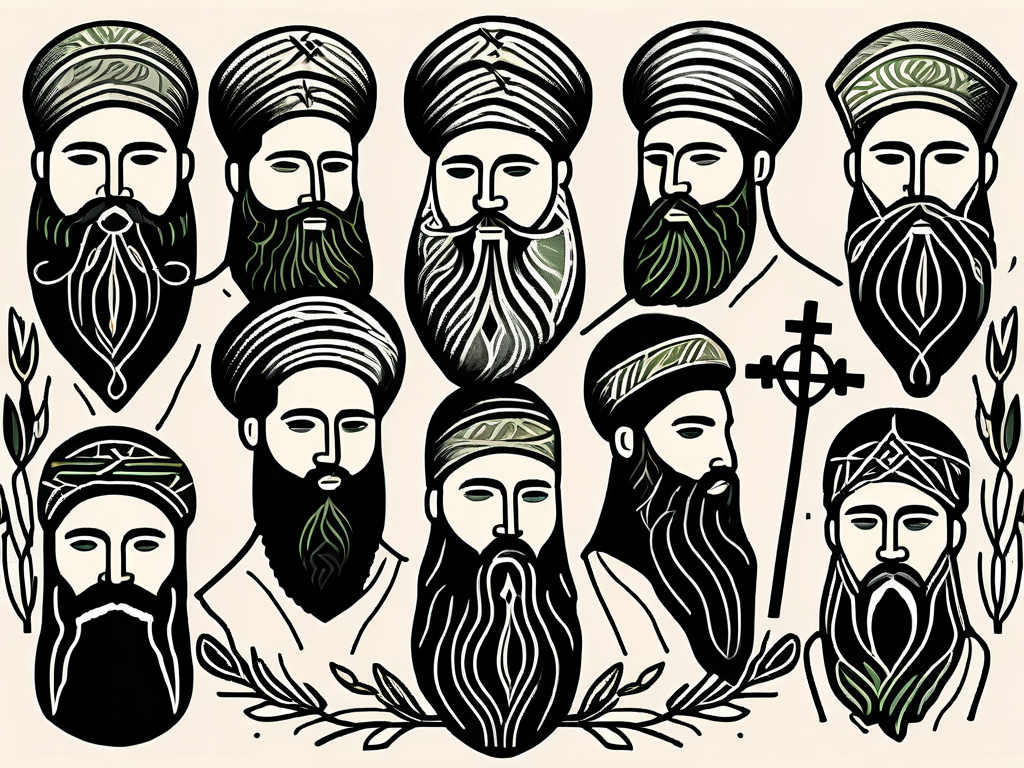
Have you ever wondered what significance a beard holds in the Bible? In this blog post, we will delve into the symbolism behind this facial feature that is often mentioned in the scriptures. Understanding the cultural and religious associations of a beard in biblical times can provide valuable insights into the deeper meaning of certain passages and teachings.
Exploring the symbolic meaning of a beard in the Bible can offer a fresh perspective on familiar stories and characters. By uncovering the layers of significance attached to this physical characteristic, we can gain a richer understanding of the spiritual lessons and moral principles conveyed in the scriptures. Join us on this journey as we unravel the mystery behind what a beard symbolizes in the Bible and discover the profound truths it holds for us today.
The Significance of Beards in Biblical Symbolism
In the Bible, a beard symbolizes various meanings and connotations that are deeply rooted in the cultural and religious aspects of the ancient Near East. Throughout the Bible, the symbol of a beard is often associated with wisdom, maturity, authority, and masculinity.
One of the most well-known biblical figures who is often depicted with a beard is God himself. The beard of God symbolizes his wisdom, authority, and sovereignty over all creation. In ancient Hebrew culture, a long and well-groomed beard was a sign of respect and reverence, especially among leaders and elders.
In the Old Testament, we see numerous references to the significance of a beard. In Leviticus 19:27, it is written, “You shall not round off the side-growth of your heads nor harm the edges of your beard.” This verse emphasizes the importance of maintaining one’s beard as a symbol of obedience to God’s commandments.
Furthermore, in the story of Samson, his strength and power are closely linked to his unshaven hair and beard. When Delilah betrays him by cutting off his hair, she also strips him of his physical and spiritual strength, illustrating the symbolic power of the beard in biblical narratives.
In the New Testament, the apostle Paul makes reference to the act of shaving or letting one’s beard grow in relation to cultural customs and personal preferences. In 1 Corinthians 11:14-15, Paul writes, “Does not nature itself teach you that if a man has long hair, it is a dishonor to him, but if a woman has long hair, it is a glory to her? For her hair is given to her for a covering.”
Overall, the symbolism of a beard in the Bible is multifaceted and carries various meanings depending on the context in which it is mentioned. Whether representing wisdom, authority, masculinity, or spiritual strength, the beard serves as a powerful symbol throughout biblical narratives that reflects cultural norms and religious beliefs of the time.
What is the spiritual meaning of beard?
In the Bible, the beard is often seen as a symbol of masculinity, wisdom, and authority. It is mentioned several times throughout the Old and New Testaments, highlighting its significance in biblical culture.
For example, in Psalm 133:2, it says, “It is like precious oil poured on the head, running down on the beard, running down on Aaron’s beard, down on the collar of his robe.” Here, the image of oil running down Aaron’s beard symbolizes the blessing and anointing of God upon him as a leader and high priest.
In Leviticus 19:27, there is a commandment given to the Israelites saying, “Do not cut the hair at the sides of your head or clip off the edges of your beard.” This instruction was part of the holiness code that set the Israelites apart from other nations and emphasized the importance of obedience to God’s commands.
Overall, the spiritual meaning of the beard in the Bible is closely tied to concepts of identity, divine favor, and authority. It serves as a visual representation of a person’s relationship with God and their role within the community.
What does a beard symbolize?
In the Bible, a beard often symbolizes masculinity, maturity, wisdom, and authority. It was considered a sign of respect and honor for men to have a beard, as it was seen as a symbol of strength and dignity. In the Old Testament, there are references to the importance of beards, such as in Leviticus 19:27 which states, “You shall not round off the hair on your temples or mar the edges of your beard.” Additionally, in 2 Samuel 10:4-5, King David’s men were humiliated by having their beards shaved off, further emphasizing the significance of beards in biblical times.
Why does the Bible say not to shave your beard?
In the Bible, the commandment not to shave one’s beard can be found in Leviticus 19:27, which states, “You shall not round off the hair on your temples or mar the edges of your beard.” This commandment was part of the broader set of laws given to the Israelites by God through Moses. The prohibition against shaving the beard was likely related to the cultural practices of the surrounding nations at that time, where certain styles of facial hair were associated with pagan rituals and beliefs.
Additionally, in ancient Hebrew culture, the beard was considered a symbol of masculinity, dignity, and authority. By prohibiting the shaving of the beard, God may have been emphasizing the importance of preserving these traditional values and maintaining a distinct identity as His chosen people.
It’s important to note that this specific commandment regarding beards is part of the Old Testament laws given to the ancient Israelites and does not carry the same religious significance for Christians today. Christians believe that Jesus Christ fulfilled the Old Testament laws, including those related to grooming and appearance, and that they are now under the new covenant of grace established by Christ.
Why is God depicted with a beard?
In the context of the Bible, God is often depicted with a beard as a symbol of wisdom, authority, and age. In ancient Near Eastern cultures, a long beard was associated with elderly men, respected leaders, and divine figures. This tradition carried over into the depiction of God in Christian art and literature. The beard is a visual representation of God’s eternal nature, infinite wisdom, and sovereignty over all creation. Additionally, the concept of God as the Father figure may have contributed to the association with a beard, symbolizing paternal care and protection.