
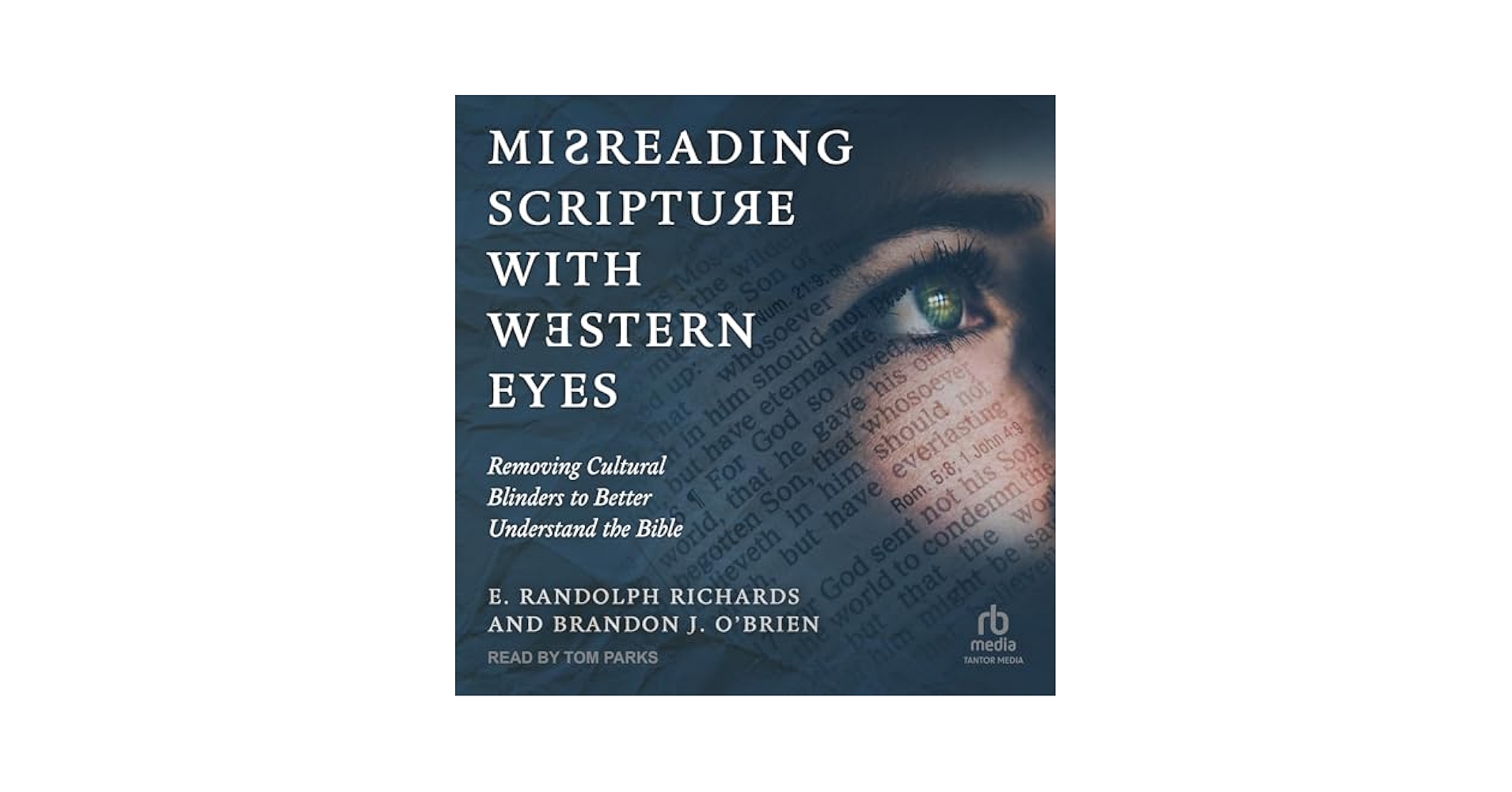
Have you ever considered how the cultural lens through which we read the Bible impacts our understanding of its messages? In the blog post titled “Reading the Bible Through Western Eyes,” we delve into the importance of recognizing and critically examining the Western perspective that often shapes our interpretation of scripture. By shedding light on this topic, we aim to encourage readers to broaden their perspectives and engage with the Bible in a more inclusive and informed manner.
Exploring the Bible through different cultural and historical lenses can provide valuable insights and deepen our appreciation for its rich and diverse teachings. By breaking away from a solely Western-centric view, readers have the opportunity to uncover new layers of meaning, challenge preconceived notions, and cultivate a more holistic understanding of the sacred text. Join us on this enlightening journey as we navigate the complexities of biblical interpretation and strive towards a more nuanced and inclusive approach to reading the Word.
Understanding the Bible from a Western Perspective: Unveiling New Insights
Reading the Bible Through Western Eyes
When approaching the Bible, it is important to consider the cultural lens through which we are viewing the text. For many in the Western world, our interpretation of the Bible is influenced by our own cultural background, values, and assumptions. This can sometimes lead to a misinterpretation or misunderstanding of the true meaning of the biblical text.
One of the key factors in reading the Bible through Western eyes is the individualistic nature of Western culture. In the West, there is a strong emphasis on personal autonomy, independence, and self-reliance. This can lead to a focus on individual salvation and personal relationship with God when reading the Bible. However, it is important to remember that the Bible was written within a collectivist culture, where community and group identity were paramount.
Additionally, the historical and geographical distance between Western readers and the original context of the Bible can also shape our understanding of the text. It is crucial to study the historical and cultural background of the biblical world in order to fully grasp the meaning of the various passages. Contextualizing the text within its original setting can help us avoid imposing our own cultural assumptions onto the text.
Moreover, the language of the Bible itself can present challenges for Western readers. The Bible was written in ancient Hebrew, Aramaic, and Greek, languages that are often far removed from modern Western languages. Translating these ancient texts into English can sometimes result in nuances and cultural subtleties being lost in translation. Engaging with the original languages of the Bible can provide a richer and more accurate understanding of the text.
In conclusion, reading the Bible through Western eyes requires an awareness of our own cultural biases and a willingness to engage with the text in its original context. By approaching the Bible with humility, openness, and a desire to learn from diverse perspectives, we can deepen our understanding of the biblical text and grow in our faith.
What is misreading scripture with Western eyes about?
Misreading Scripture with Western Eyes refers to the tendency for individuals from a Western cultural background to interpret and understand biblical passages through the lens of their own cultural norms, values, and experiences, often leading to misunderstandings or distortions of the original meaning of the text.
This concept highlights the importance of cultural awareness and contextual understanding when engaging with biblical texts, as what may seem clear or intuitive to a Western reader may not align with the intended message or cultural context of the original authors.
By being aware of and actively seeking to overcome this potential bias, readers can strive for a more accurate and faithful interpretation of Scripture that is sensitive to the diverse cultural perspectives reflected in the Bible.
What are the 4 ways of interpreting the Bible?
In the context of Bible, there are four main ways of interpreting the text:
1. Literal Interpretation: This approach focuses on the actual words and events described in the Bible as they are written.
2. Allegorical Interpretation: This method looks for symbolic or metaphorical meanings in the text that convey deeper spiritual truths.
3. Anagogical Interpretation: This perspective seeks to understand the Bible in terms of its ultimate spiritual significance and its relevance to the eternal destiny of believers.
4. Tropological Interpretation: Also known as moral interpretation, this approach explores the ethical or moral implications of the biblical text and how it can guide individuals in living a righteous life.
These four methods of interpretation offer different ways of understanding and applying the teachings found in the Bible.
What other books by the author of misreading scripture with western eyes removing cultural blinders to better understand the Bible?
Other books by the authors of Misreading Scripture with Western Eyes: Removing Cultural Blinders to Better Understand the Bible include:
1. The Color of Compromise: The Truth about the American Church’s Complicity in Racism by Jemar Tisby
2. How Africa Shaped the Christian Mind: Rediscovering the African Seedbed of Western Christianity by Thomas C. Oden
3. Reading While Black: African American Biblical Interpretation as an Exercise in Hope by Esau McCaulley
These books provide valuable insights into understanding the Bible from different cultural perspectives and shedding light on how our own cultural biases can impact interpretation.
What does the Bible say about seeing things through God’s eyes?
The Bible encourages believers to see things through God’s eyes by seeking His wisdom and understanding. In Proverbs 3:5-6, it says, “Trust in the Lord with all your heart and lean not on your own understanding; in all your ways submit to him, and he will make your paths straight.” This verse emphasizes the importance of relying on God’s perspective rather than our own limited understanding. Additionally, in Isaiah 55:8-9, it states, “For my thoughts are not your thoughts, neither are your ways my ways,” declares the Lord. “As the heavens are higher than the earth, so are my ways higher than your ways and my thoughts than your thoughts.” This passage highlights the vast difference between God’s perspective and human perspective, urging us to align our thinking with His. Overall, the Bible teaches that by seeking God’s perspective through prayer, meditation on His Word, and reliance on His guidance, we can gain a deeper understanding of situations and make decisions in accordance with His will.