Have you ever wanted to quickly find a specific book in the Bible without having to flip through the pages? Look no further! In this blog post, we will be exploring the Books of the Bible in Alphabetical Order. This curated list will not only help you navigate the Bible more efficiently but also deepen your understanding of the organization and structure of the sacred text.
By organizing the Books of the Bible in alphabetical order, you can easily locate any book you are looking for, saving you time and effort. Whether you’re a seasoned reader of the Bible or just starting your journey, this resource will be a valuable tool in your study and exploration of the holy scriptures. Join us as we delve into the alphabetical arrangement of the Books of the Bible and uncover the benefits it offers to all who seek guidance and inspiration from God’s word.
Exploring the Books of the Bible: An Alphabetical Journey
1. Amos:
The Book of Amos is a prophetic book in the Old Testament. It consists of nine chapters and focuses on the message of social justice, righteousness, and the consequences of disobedience to God.
2. Colossians:
The Epistle to the Colossians is a letter written by the apostle Paul to the church in Colossae. It emphasizes the supremacy of Christ and provides instructions for Christian living and unity within the body of believers.
3. Exodus:
The Book of Exodus narrates the story of the Israelites’ deliverance from slavery in Egypt under the leadership of Moses. It contains accounts of the plagues, the crossing of the Red Sea, and the giving of the Ten Commandments at Mount Sinai.
4. Genesis:
The Book of Genesis serves as the foundation of the Bible, detailing the creation of the world, the fall of man, and the beginnings of the nation of Israel. It includes stories of key figures such as Adam and Eve, Noah, Abraham, and Joseph.
5. Hebrews:
The Epistle to the Hebrews is a letter addressing Jewish Christians, emphasizing the superiority of Christ and the New Covenant over the old system of sacrifices and rituals. It encourages believers to persevere in faith.
6. Job:
The Book of Job explores the themes of suffering, faith, and divine sovereignty through the story of a righteous man who faces great trials. It challenges conventional wisdom about the reasons for suffering and the nature of God’s justice.
7. Lamentations:
The Book of Lamentations contains a series of poetic laments mourning the destruction of Jerusalem and the suffering of the people. It expresses grief, repentance, and hope for restoration amidst devastation.
8. Matthew:
The Gospel of Matthew presents Jesus as the fulfillment of Old Testament prophecies and the promised Messiah. It emphasizes Jesus’ teachings, miracles, death, and resurrection, highlighting his role as Savior and King.
9. Psalms:
The Book of Psalms is a collection of poems and songs expressing a range of human emotions, including praise, thanksgiving, lament, and petition. It provides a rich source of prayers and worship material for believers.
10. Revelations:
The Book of Revelation, also known as the Apocalypse, is a highly symbolic and apocalyptic work attributed to the apostle John. It describes visions of the end times, the final judgment, and the establishment of God’s eternal kingdom.
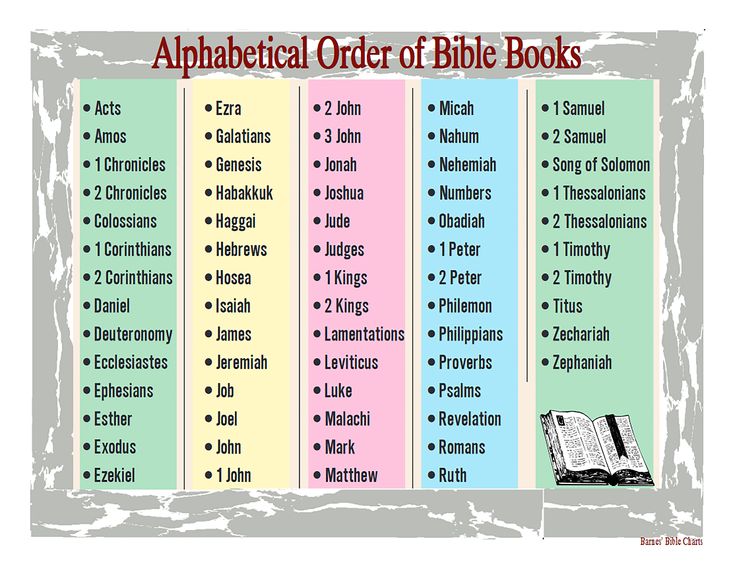
What are the books of the Bible in alphabetical order?
The books of the Bible in alphabetical order are:
1. 1 Chronicles
2. 1 Corinthians
3. 1 John
4. 1 Kings
5. 1 Peter
6. 1 Samuel
7. 1 Thessalonians
8. 1 Timothy
9. 2 Chronicles
10. 2 Corinthians
11. 2 John
12. 2 Kings
13. 2 Peter
14. 2 Samuel
15. 2 Thessalonians
16. 2 Timothy
17. 3 John
18. Acts
19. Amos
20. Colossians
21. Daniel
22. Deuteronomy
23. Ecclesiastes
24. Ephesians
25. Esther
26. Exodus
27. Ezekiel
28. Ezra
29. Galatians
30. Genesis
31. Habakkuk
32. Haggai
33. Hebrews
34. Hosea
35. Isaiah
36. James
37. Jeremiah
38. Job
39. Joel
40. John
41. Jonah
42. Joshua
43. Jude
44. Judges
45. Lamentations
46. Leviticus
47. Luke
48. Malachi
49. Mark
50. Matthew
51. Micah
52. Nahum
53. Nehemiah
54. Numbers
55. Obadiah
56. Philemon
57. Philippians
58. Proverbs
59. Psalms
60. Revelation
61. Romans
62. Ruth
63. Song of Solomon
64. Titus
65. Zechariah
66. Zephaniah
There are a total of 66 books in the Bible.
What are the 73 books of the Bible?
The 73 books of the Bible include 46 books in the Old Testament and 27 books in the New Testament. The Old Testament includes books such as Genesis, Exodus, Psalms, Isaiah, and Malachi. The New Testament includes books such as Matthew, Mark, Luke, John, Acts, and Revelation.
What phrase is repeated 365 times in the Bible?
The phrase “Do not be afraid” is repeated 365 times in the Bible.
What is the correct order of the books of the Bible?
The correct order of the books of the Bible is as follows:
1. Old Testament:
- Pentateuch (Torah): Genesis, Exodus, Leviticus, Numbers, Deuteronomy
- Historical Books: Joshua, Judges, Ruth, 1 Samuel, 2 Samuel, 1 Kings, 2 Kings, 1 Chronicles, 2 Chronicles, Ezra, Nehemiah, Esther
- Poetry and Wisdom Literature: Job, Psalms, Proverbs, Ecclesiastes, Song of Solomon
- Major Prophets: Isaiah, Jeremiah, Lamentations, Ezekiel, Daniel
- Minor Prophets: Hosea, Joel, Amos, Obadiah, Jonah, Micah, Nahum, Habakkuk, Zephaniah, Haggai, Zechariah, Malachi
2. New Testament:
- Gospels: Matthew, Mark, Luke, John
- History: Acts
- Pauline Epistles: Romans, 1 Corinthians, 2 Corinthians, Galatians, Ephesians, Philippians, Colossians, 1 Thessalonians, 2 Thessalonians, 1 Timothy, 2 Timothy, Titus, Philemon
- General Epistles: Hebrews, James, 1 Peter, 2 Peter, 1 John, 2 John, 3 John, Jude
- Apocalyptic: Revelation
This is the standard order found in most Protestant Christian Bibles.