
Have you ever wondered about the impact of evil spirits on our lives as Christians? In today’s blog post, we will delve into the topic of the “Fruits of Evil Spirit” as mentioned in the Bible. Understanding these manifestations can equip us to recognize and combat the influence of evil in our lives, ultimately leading us to a deeper spiritual growth and closer relationship with God.
Throughout the Bible, we are given guidance on how to discern the fruits of the evil spirit. By exploring these verses and reflecting on their significance in our daily lives, we can cultivate a spirit of discernment and wisdom. By recognizing and addressing the manifestations of evil, we can experience freedom, peace, and a stronger faith in God. Join us on this journey as we uncover the truths hidden within the scriptures and learn how to overcome the fruits of the evil spirit in our lives.
Exploring the Impact of Evil Spirits: Unveiling the Fruits According to Bible Verses
The Bible verse that talks about the Fruits of the Evil Spirit can be found in Galatians 5:19-21. The passage reads:
“Now the works of the flesh are evident, which are: adultery, fornication, uncleanness, lewdness, idolatry, sorcery, hatred, contentions, jealousies, outbursts of wrath, selfish ambitions, dissensions, heresies, envy, murders, drunkenness, revelries, and the like; of which I tell you beforehand, just as I also told you in time past, that those who practice such things will not inherit the kingdom of God.”
This passage lists a number of behaviors and attitudes that are considered to be fruits of the evil spirit. These include actions such as adultery and fornication, which go against the sanctity of marriage and the purity of relationships. Uncleanness and lewdness refer to impure thoughts and actions that defile the body and soul.
Idolatry and sorcery involve worshiping false gods or relying on supernatural powers that are not from God. Hatred, contentions, and jealousies speak to the destructive nature of harboring negative emotions towards others. Outbursts of wrath, selfish ambitions, and dissensions are indicators of a heart that is not aligned with God’s will.
Heresies refer to beliefs or teachings that deviate from the truth of the Gospel, leading people astray from God’s word. Envy and murders represent the extreme consequences of unchecked jealousy and hatred. Drunkenness and revelries show a lack of self-control and a pursuit of worldly pleasures over spiritual growth.
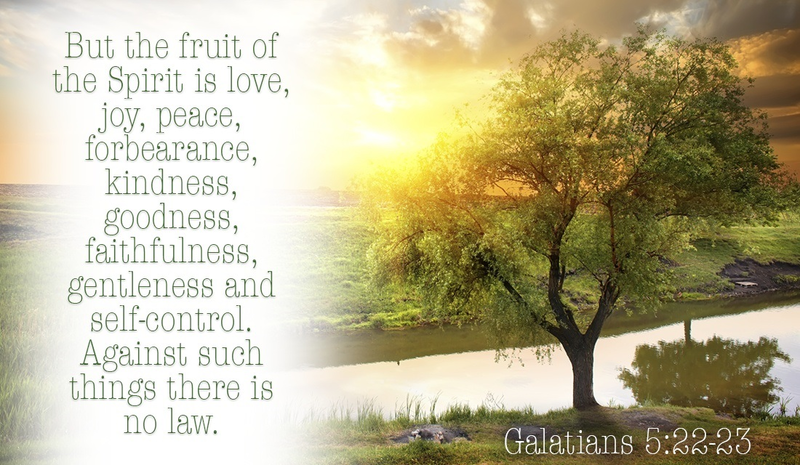
This passage serves as a warning to believers to be mindful of their actions and attitudes, seeking to align themselves with the fruits of the Spirit instead. By cultivating qualities such as love, joy, peace, patience, kindness, goodness, faithfulness, gentleness, and self-control (Galatians 5:22-23), one can bear the good fruits that reflect a life led by the Holy Spirit.
In conclusion, the Fruits of the Evil Spirit Bible verse highlights the contrast between living a life of sin and indulgence versus a life of righteousness and obedience to God. It reminds us to be vigilant in our choices and to strive for spiritual growth and maturity in our walk with Christ.
What are the fruits of the bad Spirit?
In the context of the Bible, the fruits of the bad Spirit are “enmity, strife, jealousy, fits of anger, rivalries, dissensions, divisions, envy” (Galatians 5:19-21). These characteristics contrast with the fruits of the Holy Spirit, which are outlined in Galatians 5:22-23.
What are the bitter fruits of sin?
In the context of the Bible, the bitter fruits of sin refer to the negative consequences and effects that result from going against God’s will and committing sinful actions. Some of the bitter fruits of sin mentioned in the Bible include spiritual death (Romans 6:23), separation from God (Isaiah 59:2), guilt and shame (Genesis 3:10), broken relationships (Genesis 3:12), suffering and pain (Romans 6:21), and ultimately eternal punishment (Matthew 25:46). It is important to note that while these consequences of sin are indeed bitter, the Bible also offers hope and redemption through faith in Jesus Christ (John 3:16).
What phrase is repeated 365 times in the Bible?
The phrase “do not be afraid” is repeated 365 times in the Bible.
What does the Bible say about evil fruits?
In the Bible, specifically in the book of Matthew 7:15-20, Jesus speaks about recognizing false prophets by their fruits. He says, “Beware of false prophets, who come to you in sheep’s clothing, but inwardly they are ravenous wolves. You will know them by their fruits. Do men gather grapes from thornbushes or figs from thistles? Even so, every good tree bears good fruit, but a bad tree bears bad fruit. A good tree cannot bear bad fruit, nor can a bad tree bear good fruit. Every tree that does not bear good fruit is cut down and thrown into the fire. Therefore by their fruits you will know them.” This passage emphasizes the importance of discerning the true nature of individuals by observing the fruits of their actions and character.