
Have you ever wondered what country Turkey was in the Bible? Understanding the historical context of biblical events can deepen our appreciation and interpretation of the scriptures. In this blog post, we will explore the significance of Turkey in the Bible and its relevance to biblical narratives.
By delving into the geographical and cultural connections between Turkey and the Bible, we can gain a new perspective on familiar stories and teachings. Exploring the role of Turkey in biblical times can enhance our understanding of ancient civilizations and the spread of Christianity. Join us on this enlightening journey to uncover the mysteries of what country Turkey was in the Bible.
Exploring the Biblical Identity of Modern-Day Turkey
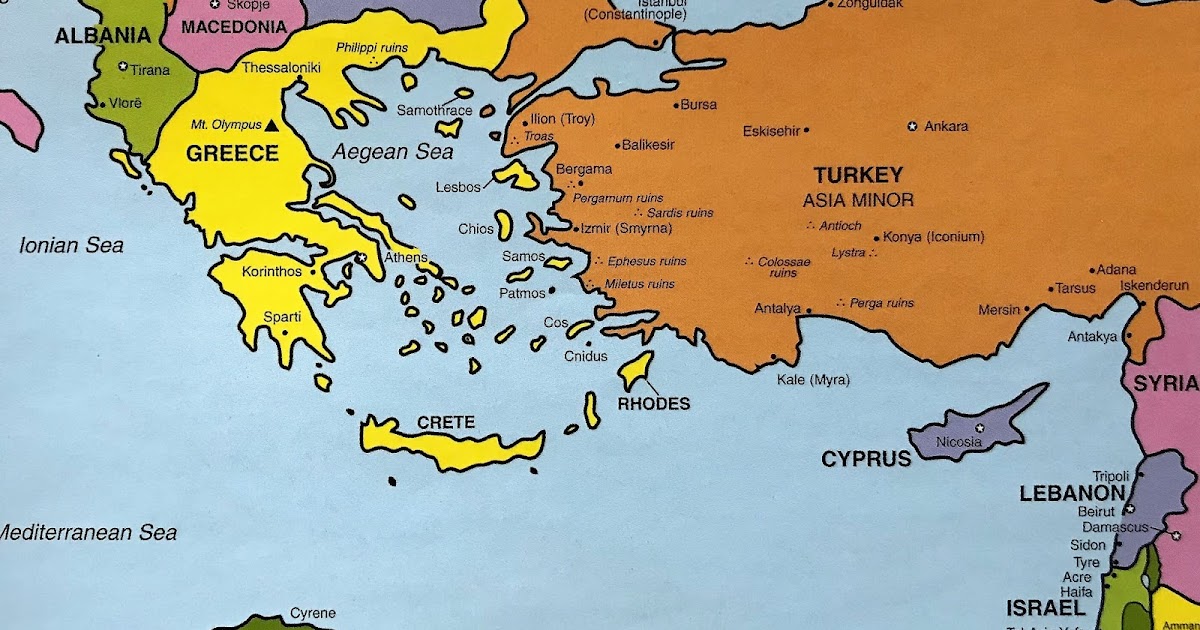
In the Bible, the land that is known today as Turkey was historically referred to as Asia Minor or Anatolia. This region played a significant role in biblical history, as it was the setting for several important events and interactions documented in the Old Testament and New Testament.
One of the earliest references to Turkey in the Bible can be found in the book of Genesis. In Genesis 10:2-5, the descendants of Japheth, one of Noah’s sons, are listed, including Gomer, Magog, Madai, Javan, Tubal, Meshech, and Tiras. Some scholars believe that these names correspond to various peoples who eventually settled in the region of modern-day Turkey.
Turkey also played a role in the spread of Christianity in the New Testament. The apostle Paul embarked on several missionary journeys that took him through Asia Minor, preaching the gospel and establishing early Christian communities. The cities of Ephesus, Colossae, and Antioch were all located in what is now Turkey and are mentioned in the New Testament.
Additionally, the seven churches addressed in the book of Revelation were all located in Asia Minor, which is present-day Turkey. These churches were in the cities of Ephesus, Smyrna, Pergamum, Thyatira, Sardis, Philadelphia, and Laodicea, and their letters from Jesus Christ are recorded in Revelation chapters 2 and 3.
Throughout its history, the land of Turkey has been home to various civilizations and empires, including the Hittites, Phrygians, Greeks, Romans, Byzantines, and Ottomans. Many of these civilizations left their mark on the region and influenced the cultural, religious, and political landscape that is reflected in the pages of the Bible.
Overall, Turkey holds a significant place in biblical history, with numerous references and connections to events and people portrayed in the Scriptures. The land’s rich heritage and geographical significance have made it a compelling area of study for scholars and readers seeking to deepen their understanding of the biblical narrative.
What was the old name for Turkey?
The old name for Turkey in the context of the Bible is Asia Minor.
Did Jesus live in Turkey?
No, Jesus did not live in Turkey. According to the Bible, Jesus was born in Bethlehem in Judea, which is part of modern-day Israel. He grew up in Nazareth, also in Israel, and most of His ministry took place in various regions of Israel. While Turkey is near Israel geographically, there is no evidence in the Bible that suggests Jesus lived there.
What is Syria called in the Bible?
In the Bible, Syria is often referred to as Aram or Aram Naharaim. This ancient region is mentioned numerous times throughout the Old Testament.
Which apostle lived in Turkey?
The apostle Paul lived in Turkey and spent a significant amount of time traveling and preaching throughout the region. He wrote several letters to churches in Turkey, which are now included in the New Testament of the Bible.
What holy land is in Turkey?
The holy land in Turkey mentioned in the Bible is Ephesus. Ephesus was an important ancient city mentioned in the New Testament where the apostle Paul preached and wrote letters to the early Christian community. It is also where one of the seven churches addressed in the Book of Revelation was located. Today, the archaeological remains of Ephesus can be visited near the modern town of Selçuk in Turkey.