
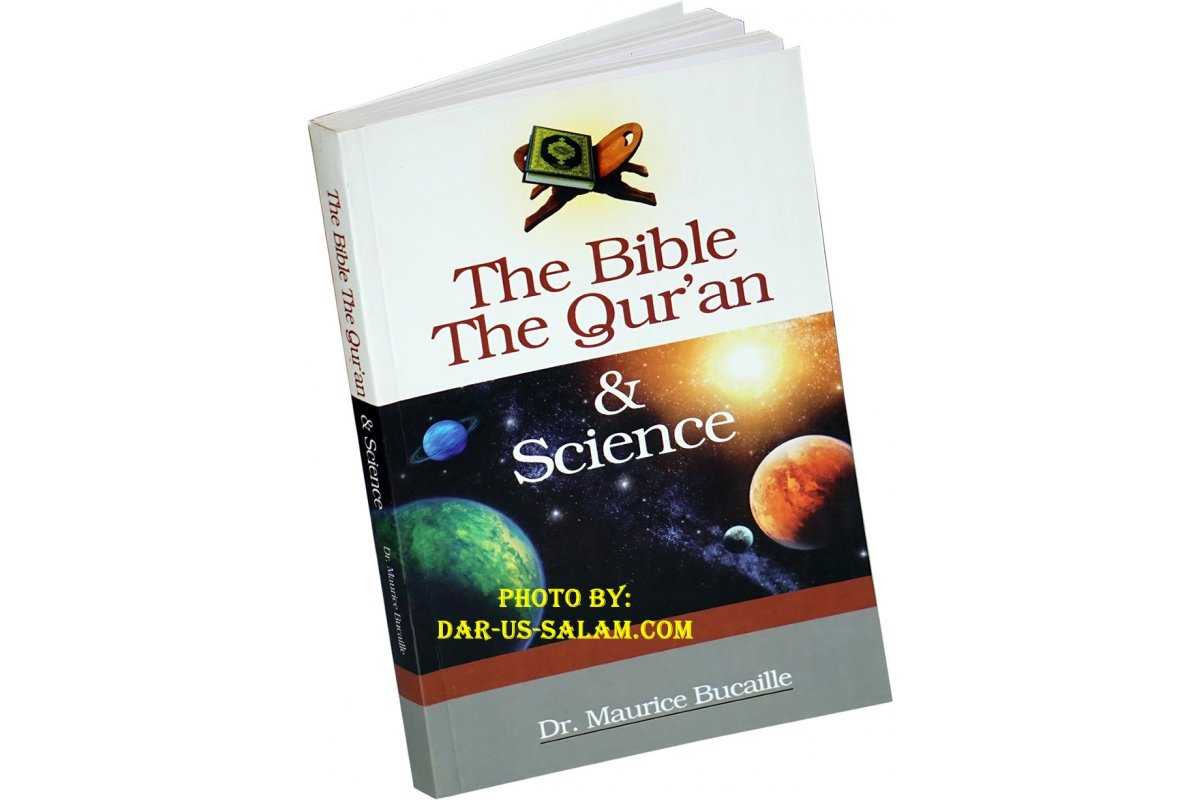
Have you ever wondered about the relationship between ancient religious texts and modern scientific advancements? In today’s blog post, we will explore the intriguing connections between the Bible, the Quran, and scientific principles. By delving into this topic, we can gain a deeper understanding of how these profound texts intersect with the realm of science and the potential benefits of such exploration.
Exploring the correlation between the Bible, the Quran, and scientific discoveries can offer us valuable insights into the harmony between faith and reason. By examining how these ancient texts address various scientific phenomena, we can appreciate the wisdom and relevance they hold in our contemporary world. Join us on this enlightening journey as we uncover the fascinating connections between religious scriptures and the ever-evolving field of science.
Unveiling the Harmony: Exploring the Bible, the Quran, and Science
The Bible, the Quran, and Science have long been subjects of intense debate and discussion regarding their compatibility and relationship. Many scholars and religious figures have explored the intersection of these three areas to understand the mysteries of the universe and human existence.
In recent decades, the field of science has made significant advancements in various fields, shedding light on the natural world and the laws that govern it. At the same time, religious texts like the Bible and the Quran have served as spiritual guides for millions of people around the world, offering moral principles and narratives about the creation of the universe.
One of the key areas of contention between these texts and scientific findings is the account of creation. The Bible, particularly in the book of Genesis, describes the creation of the world in six days by God. This narrative differs from the scientific understanding of the origin of the universe through the Big Bang theory and the process of evolution.
Similarly, the Quran also presents a creation narrative that aligns with certain aspects of scientific knowledge, such as the concept of a singular creator and the order and balance in the universe. However, there are also interpretations within the Quran that are open to debate and may not align directly with scientific discoveries.
Despite these apparent conflicts, some scholars have sought to reconcile the teachings of the Bible, the Quran, and science by exploring metaphorical interpretations of religious texts. They argue that these texts may contain deeper symbolic meanings that can be interpreted in light of scientific discoveries.
Furthermore, some theologians and scientists have proposed the idea of “intelligent design,” suggesting that the complexity and order in the universe point towards a higher intelligence or creator. This concept attempts to bridge the gap between religious beliefs and scientific evidence by acknowledging the possibility of a guided, purposeful creation.
Overall, the relationship between the Bible, the Quran, and science remains a complex and multifaceted topic that continues to spark dialogue and inquiry among scholars and believers. While there may be apparent contradictions between religious teachings and scientific findings, there are also opportunities for deeper exploration and understanding that can enrich our appreciation of the mysteries of the universe.
What is the Bible the Quran and science about?
“The Bible, the Quran, and Science” is a topic that explores the relationship between religious texts, particularly the Bible and the Quran, and scientific findings. Many scholars and believers have examined how these ancient scriptures address various scientific concepts such as the creation of the universe, the origins of life, and natural phenomena.
The Bible is a sacred text in Christianity, consisting of the Old Testament and the New Testament. It provides accounts of the creation of the world, the Great Flood, and other events that are sometimes interpreted in light of modern scientific knowledge. Some argue that the Bible contains hidden scientific truths or symbolic representations of scientific phenomena.
Similarly, the Quran is the holy book of Islam, believed by Muslims to be the divine revelation of God to the Prophet Muhammad. Like the Bible, the Quran touches upon topics related to science and nature, prompting discussions about the compatibility between religious teachings and scientific discoveries.
The intersection of science with these religious texts has given rise to debates, with some seeing harmony and others perceiving conflict between them. Some perceive parallels between certain scientific theories and passages in the Bible or the Quran, while others point out discrepancies or areas where modern science contradicts literal interpretations of these texts.
Overall, the exploration of “The Bible, the Quran, and Science” reflects the ongoing dialogue between faith and reason, tradition and modernity, as people seek to understand the natural world and their place within it through both religious and scientific lenses.