
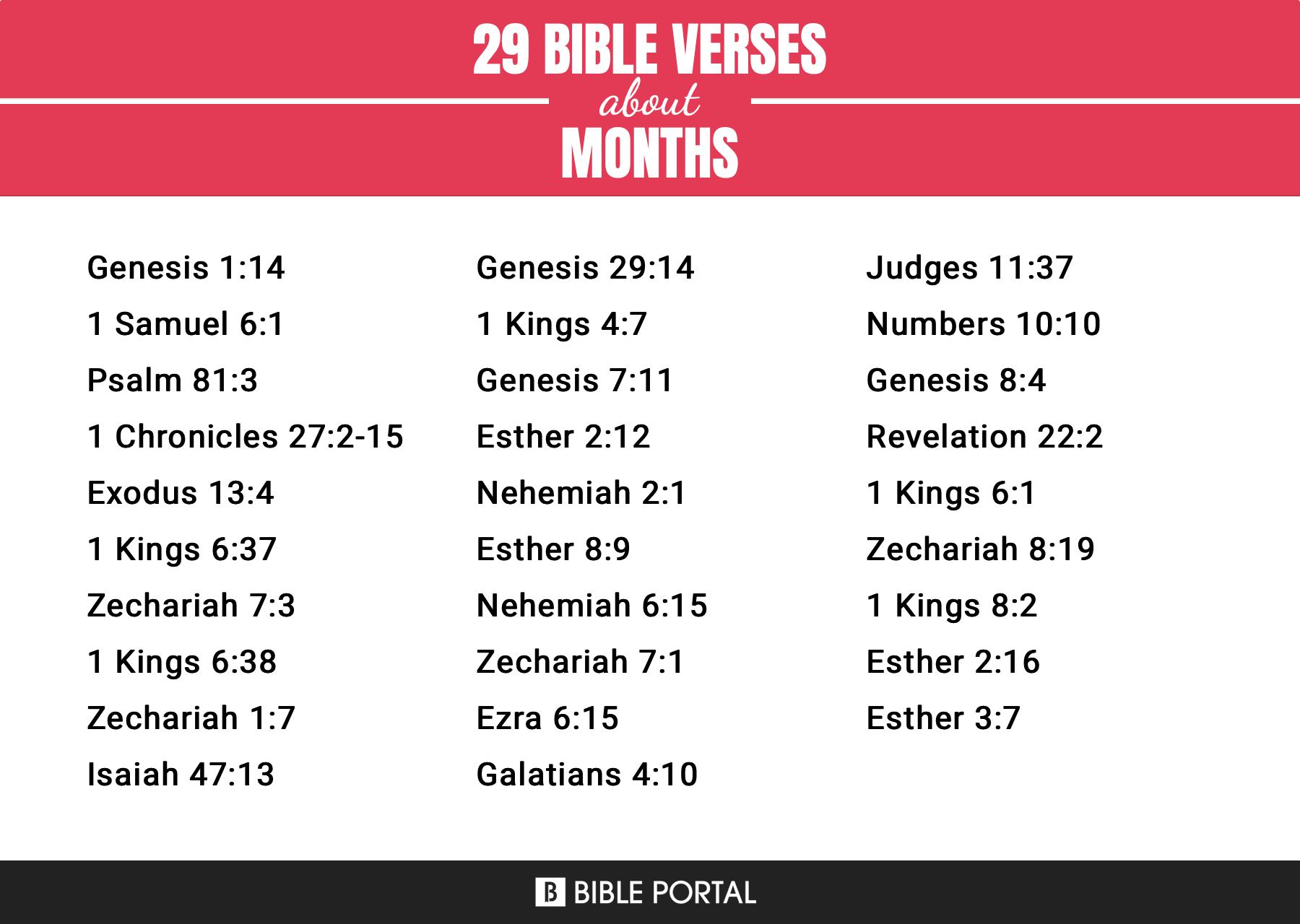
Have you ever wondered what significance the seventh month holds in the Bible? In this blog post, we will uncover the deep spiritual meaning and historical importance of the seventh month as mentioned in the scriptures. From unique rituals and celebrations to prophecies and feasts, the seventh month carries a wealth of knowledge waiting to be explored.
Understanding the significance of the seventh month in the Bible can provide valuable insights into God’s timing, His promises, and the fulfillment of His plans for humanity. By delving into the biblical references to the seventh month, we can gain a deeper appreciation for the intricate tapestry of history and faith that is woven throughout the pages of the Holy Scriptures. Join us on this journey of discovery as we unravel the mysteries and revelations hidden within the seventh month in the Bible.
The Significance of the Seventh Month in Biblical History
The seventh month in the Bible holds significant importance in the religious calendar and is a time of various celebrations, observances, and commemorations. In particular, the seventh month is referenced multiple times throughout the Old Testament, especially in the book of Leviticus and Numbers. Let’s explore the significance of the seventh month in the Bible.
One of the most prominent observances in the seventh month is the Feast of Trumpets, also known as Rosh Hashanah, which falls on the first day of the month. This feast marks the beginning of the Jewish civil year and is a time of repentance, reflection, and the sounding of the shofar, or ram’s horn. It is a solemn occasion that prepares the people for the upcoming holy days.
Following the Feast of Trumpets, the tenth day of the seventh month is known as Yom Kippur, or the Day of Atonement. This is considered the most sacred day in the Jewish calendar, a time for fasting, prayers, and seeking forgiveness for sins. It is believed that on this day, God seals each person’s fate for the coming year, determining who will live and who will die.
Another important celebration in the seventh month is the Feast of Tabernacles, also called Sukkot, which begins on the fifteenth day of the month and lasts for seven days. During this festival, Jews commemorate their ancestors’ journey through the desert by dwelling in temporary shelters called sukkahs. It is a time of joy, thanksgiving, and remembrance of God’s provision and protection.
In addition to these specific observances, the seventh month is also associated with the concept of completion and fulfillment in the Bible. The number seven is often seen as symbolizing perfection or wholeness, and the seventh month can be seen as a time of spiritual renewal and restoration.
Overall, the seventh month in the Bible is a time of significance and meaning, marked by important religious observances and symbolic representations. It serves as a reminder of God’s faithfulness, mercy, and provision for his people throughout history.
What is the 7th month in the Bible?
In the Bible, the 7th month is Tishrei. It is an important month in the Jewish calendar as it includes the High Holy Days of Rosh Hashanah (Jewish New Year) and Yom Kippur (Day of Atonement).
What does the number 7 represent biblically?
In the Bible, the number 7 holds significant symbolism, representing completeness and perfection. The number appears frequently throughout the Bible, often used to symbolize divine unity, rest, and fulfillment. Here are a few key meanings associated with the number 7 in the Bible:
1. Creation: In the Book of Genesis, God created the world in six days and rested on the seventh day, establishing the pattern of a seven-day week that is still followed today.
2. Covenant: The number 7 is often associated with covenants in the Bible, such as the seven Noahide laws or the seven seals in the Book of Revelation.
3. Restoration: In the Old Testament, every seventh year was designated as a Sabbath year for the land to rest and be restored, emphasizing the importance of rest and renewal.
4. Completeness: The use of the number 7 to denote completeness is seen in various contexts, such as the seven churches in Revelation, the seven spirits before the throne of God, and the seven days of the Feast of Unleavened Bread.
Overall, the number 7 in the Bible symbolizes divine perfection and completeness, highlighting the overarching theme of God’s sovereignty and order in creation.
What is the biblical month of July?
In the context of the Bible, there is no specific month named “July.” The months in the Bible are referred to by their Hebrew names. The equivalent of July in the Hebrew calendar would be the fifth month, which is called Av. This month usually falls in July and August in the Gregorian calendar.
What is the seventh month called in the Bible?
In the Bible, the seventh month is called Tishrei. It is the first month of the civil year and the seventh month of the ecclesiastical year in the Hebrew calendar.