
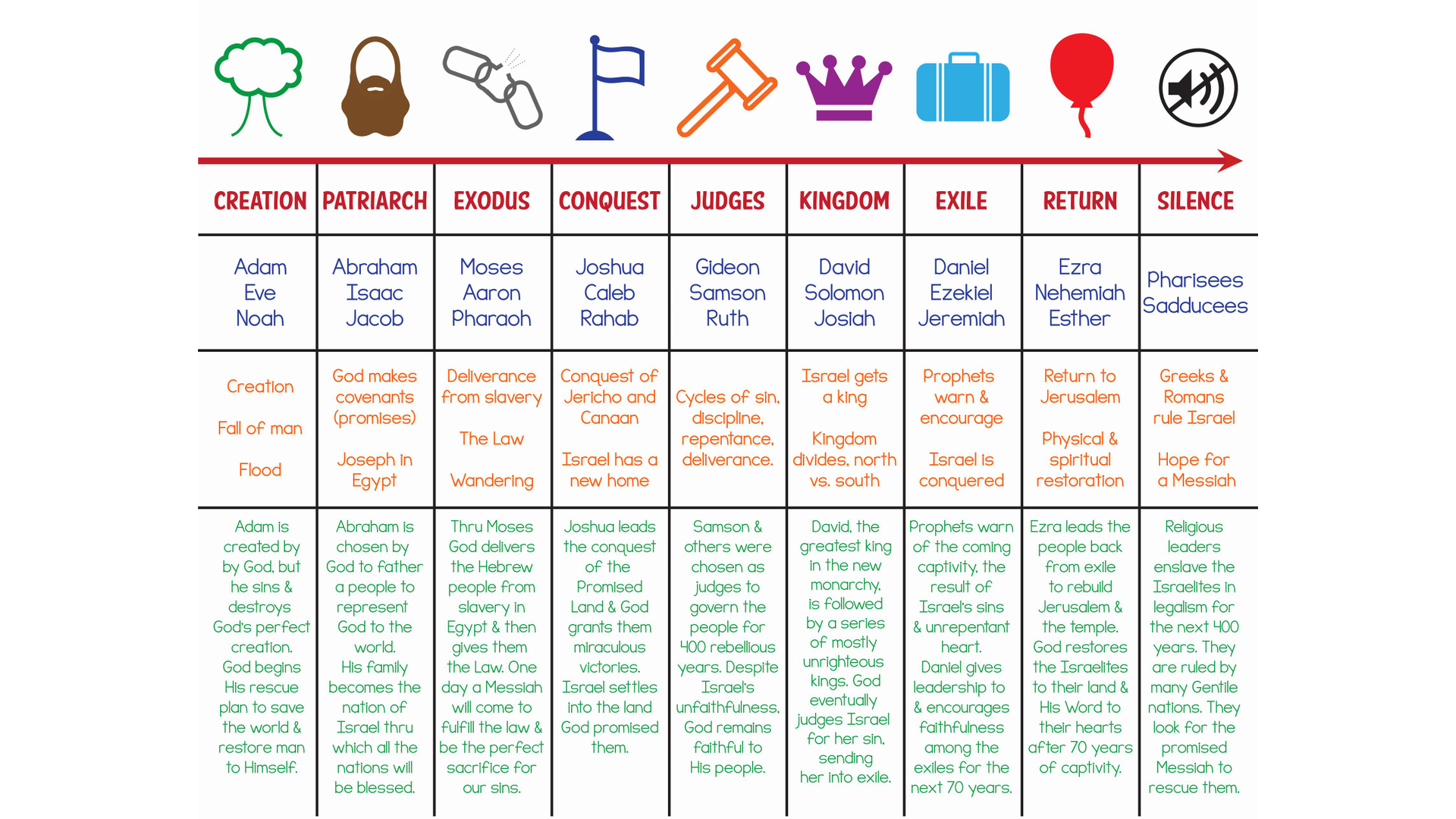
Have you ever wondered how the books of the Bible were chosen? Understanding the selection process can provide valuable insights into the historical development and significance of the Biblical canon. In this blog post, we will delve into the fascinating journey of how specific texts were carefully curated and accepted as part of the sacred scriptures.
Exploring the criteria and factors that influenced the inclusion of certain books over others can shed light on the diversity and unity within the Bible. By uncovering the rationale behind the formation of the Biblical canon, readers can gain a deeper appreciation for the richness and complexity of the sacred texts. Join us on this exploration as we unravel the mysteries behind how the books of the Bible were chosen, and discover the profound impact of these decisions on the religious and cultural landscape.
The Selection Process: Uncovering How the Books of the Bible were Chosen
The process of how the books of the Bible were chosen is a complex and fascinating one that unfolded over centuries. This selection was not a single event, but rather a gradual and deliberative process that involved various criteria and factors.
The Christian Bible is divided into two main sections: the Old Testament and the New Testament. The Old Testament contains books that were written before the birth of Jesus Christ, while the New Testament includes books that were written after his death and resurrection. The process of canonization, or the official recognition of the books considered to be divinely inspired and authoritative, differed between these two sections.
In the case of the Old Testament, the selection of books was a gradual process that took place over several centuries. Jewish tradition holds that the Hebrew Bible, or the Tanakh, consists of three main sections: the Torah, the Prophets, and the Writings. The exact criteria for inclusion in the Hebrew Bible are not precisely known, but it is believed that factors such as antiquity, authorship, and acceptance by the community played a role.
The process of canonization for the Old Testament was largely complete by the time of Jesus, with the Hebrew Bible essentially fixed by the 1st century AD. The early Christian Church accepted the Jewish scriptures as their Old Testament, although some differences in the arrangement and content existed.
The New Testament canonization process was more complex and took place over a longer period. The early Christian communities initially circulated various writings, including letters from apostles and accounts of Jesus’ life and teachings. Over time, certain writings gained widespread acceptance and authority within the Christian Church.
By the 4th century, the majority of the New Testament books had been recognized as canonical by various Church councils and leaders. Factors such as apostolic authorship, orthodoxy, and widespread usage within the Christian communities were considered in determining which books should be included in the New Testament.
The final list of books that make up the Old and New Testaments was officially confirmed by the Synod of Hippo in 393 AD and the Council of Carthage in 397 AD. These councils provided the authoritative endorsement of the biblical canon that has been accepted by most Christian traditions to this day.
In conclusion, the process of how the books of the Bible were chosen was a gradual and complex one that spanned centuries and involved various criteria and factors. The resulting canon represents the authoritative collection of sacred texts that form the foundation of the Christian faith.
Who decided what books were in the Bible?
The process of determining which books were included in the Bible was called canonization. This process was carried out by early Christian leaders, scholars, and councils over several centuries. The criteria for inclusion in the Bible included factors such as apostolic authorship, orthodoxy of the content, widespread acceptance and usage in the early Christian communities, and spiritual edification. The final list of books that make up the Bible was formally ratified by various church councils, such as the Council of Hippo in 393 AD and the Council of Carthage in 397 AD. These councils established the canon of Scripture, which includes the Old Testament and New Testament books that are recognized by most Christian denominations today.
Who authorized the 66 books of the Bible?
The 66 books of the Bible were authorized by various councils and church leaders throughout history. The Old Testament was largely accepted as Scripture by the Jewish community before the time of Jesus. The New Testament canon was established over several centuries, with Church councils such as the Council of Hippo in 393 and the Council of Carthage in 397 affirming the list of 27 books that make up the New Testament. It is important to note that the Holy Spirit guided the process of canonization, ensuring that the books included in the Bible were truly inspired by God.
How was the order of the books in the Bible determined?
The order of the books in the Bible was determined through a combination of historical tradition, theological significance, and practical considerations. In the Christian Bible, the books are typically divided into two main sections: the Old Testament and the New Testament.
In the Old Testament, the books are generally arranged based on categories such as Law (Torah), History, Poetry, Major Prophets, and Minor Prophets. The specific order within these categories was influenced by factors such as the chronological sequence of events, the authorship of the texts, and their thematic connections.
Similarly, in the New Testament, the books are organized according to genre, with the Gospels coming first followed by the Acts of the Apostles, Epistles (letters), and Revelation. The order of the Epistles is often determined by the presumed authorship or recipient of each letter.
It’s important to note that the exact order of the books in the Bible can vary slightly between different Christian denominations and traditions. However, the overall structure and content of the Bible have remained consistent for centuries, reflecting the inspiration and authority attributed to these sacred texts.
What criteria was used to select the books of the Bible?
The criteria used to select the books of the Bible included factors such as apostolic authority, orthodoxy, universal acceptance, and theological coherence. Apostolic authority meant that the texts were believed to have been written by apostles or individuals closely associated with them. Orthodoxy referred to the consistency of the texts with the established beliefs of the Christian community. Universal acceptance indicated that the texts were widely recognized and used across different regions. Theological coherence ensured that the content of the texts aligned with the core teachings of the Christian faith. These criteria helped early Christian leaders determine which books should be included in the biblical canon.