
Have you ever come across the term “shorn” while reading the Bible and wondered about its significance? In this blog post, we delve into the definition of “shorn” in the Bible to uncover its deeper meaning and relevance in the scriptures. Understanding the biblical context of this term can enrich your reading and interpretation of various passages, shedding light on the cultural practices and symbolism prevalent in ancient times.
By exploring the definition of “shorn” in the Bible, we aim to provide clarity and insight into its usage across different books and verses. This knowledge can help you grasp the nuances of the text more accurately, leading to a deeper appreciation of the historical and spiritual layers within the scriptures. Join us on this exploration of the term “shorn” in the Bible, and discover a new perspective on its significance in biblical narratives.
Unveiling the Meaning of Shorn in the Bible
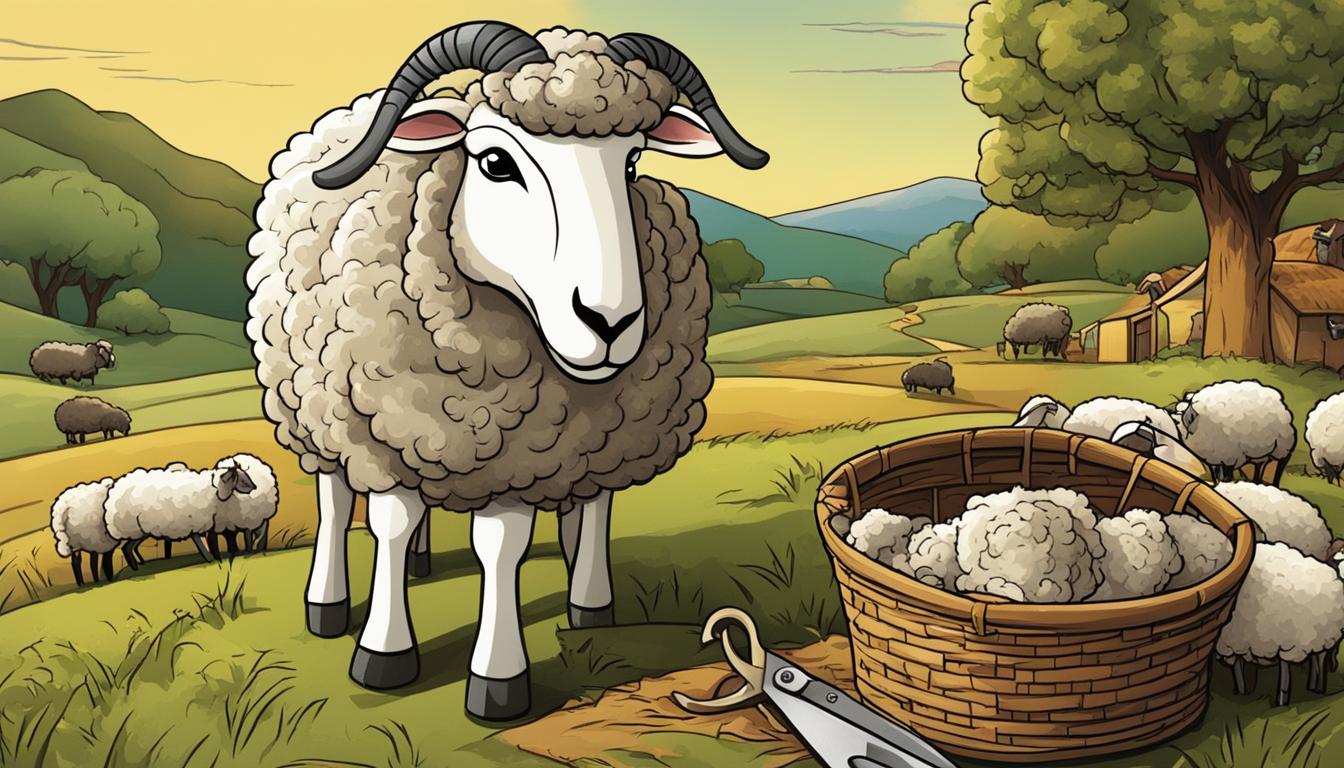
In the Bible, the term “shorn” refers to the act of cutting or shearing hair, wool, or other similar materials from a living being. This action is often mentioned in various passages throughout the scriptures, carrying both literal and symbolic meanings.
One of the most common references to being shorn can be found in 1 Corinthians 11:6, where it is written: “For if the woman be not covered, let her also be shorn: but if it be a shame for a woman to be shorn or shaven, let her be covered.” Here, being shorn is associated with shame and impropriety, contrasting with the concept of being covered, which symbolizes modesty and propriety.
In the Old Testament, especially in the context of sacrifices and rituals, the act of shearing or shaving played a significant role. Leviticus 13:33-34 discusses the process of cleansing a person who has been healed from a skin disease, stating that after the healing, the individual shall be “shaven, but the scall shall he not shave.” This act of shaving or shearing was seen as a form of purification and renewal, symbolizing a fresh start or a new beginning.
Additionally, being shorn can symbolize vulnerability and loss of strength or power. In Judges 16:17, the story of Samson and Delilah illustrates this concept vividly. When Samson’s hair is cut off, he loses his supernatural strength, signifying his vulnerability and downfall. This narrative serves as a cautionary tale about the consequences of losing one’s source of strength and protection.
Overall, the term “shorn” in the Bible carries various layers of meaning, ranging from literal actions such as shearing hair or wool to symbolic representations of shame, purity, vulnerability, and loss. It serves as a reminder of the importance of maintaining one’s identity, integrity, and connection to sources of strength and protection.
What does the Bible mean by shorn?
In the Bible, the term “shorn” typically refers to cutting or trimming hair or wool. It can be used metaphorically to symbolize loss, humility, or vulnerability. In certain passages, being shorn could represent disgrace or punishment. For example, in 1 Corinthians 11:6, it mentions that if a woman does not cover her head, she should have her hair cut off; this act is described as being “shorn.” Overall, the term “shorn” carries the connotation of being deprived of something or undergoing a significant change in appearance.
What does it mean for a woman to be shorn?
In the context of the Bible, for a woman to be shorn means that her hair is cut short or entirely removed. This act was often associated with shame or disgrace in biblical times. The apostle Paul mentions the practice of women being shorn in 1 Corinthians 11:6, where he discusses proper decorum when it comes to hair length and covering during worship.
What does “shorn” mean?
In the context of the Bible, “shorn” refers to the act of cutting or trimming hair, typically as a symbol of cleansing or purification. It is often used metaphorically to represent a removal of sin or impurity. For example, in 1 Corinthians 11:6 it states: “For if a woman does not cover her head, she might as well have her hair cut off; but if it is a disgrace for a woman to have her hair cut off or her head shaved, then she should cover her head.”
What does the Bible say about shorn hair?
In the Bible, there are a few references to shorn hair. In 1 Corinthians 11:6, it mentions that “if a woman does not cover her head, she should have her hair cut off.” This verse is part of a passage discussing head coverings and submission within the church.
Another reference is found in the story of Samson in the book of Judges. In Judges 16:17, Samson’s strength is tied to his uncut hair, which is eventually shorn off by Delilah, leading to his capture and downfall.
These references highlight the symbolic importance of hair in certain contexts in the Bible, particularly in relation to obedience, commitment, and symbolism of strength.