
Are you a first-time reader looking to dive into the depths of the Bible but feeling overwhelmed by its vastness and complexity? Fear not, for in this blog post, we will guide you on the perfect order to read the Bible for the first time. By following a structured approach, you can gain a better understanding of the biblical narrative and its teachings, paving the way for a more enriching and enlightening reading experience.
Embarking on this journey with a clear roadmap will not only help you grasp the overarching themes and messages of the Bible but also allow you to appreciate the interconnectedness of its stories and characters. Whether you are seeking spiritual guidance, historical insights, or simply a good read, knowing the right order to read the Bible can significantly enhance your comprehension and enjoyment of this timeless literary masterpiece. So, let’s begin this transformative adventure together as we unravel the wonders of the holy scriptures.
The Ultimate Guide to Reading the Bible for Beginners
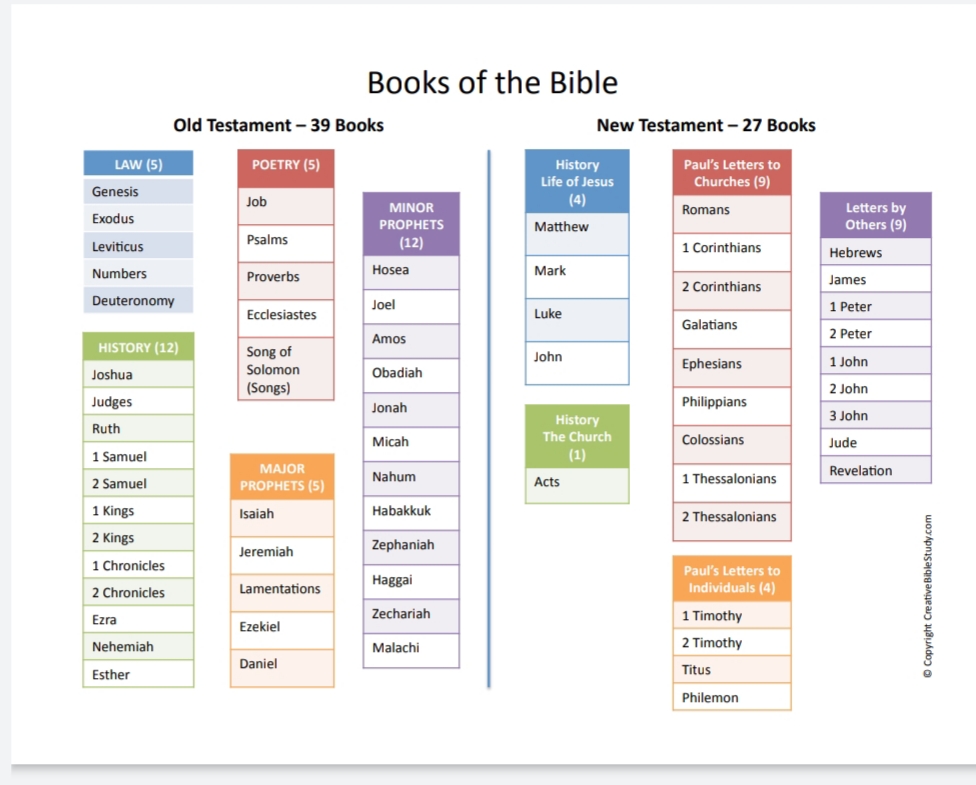
When it comes to reading the Bible for the first time, many people struggle with where to start and in what order to read the various books. The Bible is a collection of 66 books, divided into the Old Testament and the New Testament. Each book offers unique insights, teachings, and stories that contribute to the overall message of the Bible.
For those embarking on their first journey through the Bible, it can be helpful to start with the New Testament. The New Testament contains the teachings of Jesus Christ and the early Christian church, making it a great starting point for beginners. Within the New Testament, the four Gospels—Matthew, Mark, Luke, and John—provide a detailed account of Jesus’ life, ministry, death, and resurrection. Reading the Gospels first can help establish a foundational understanding of the Christian faith.
After reading the Gospels, moving on to the Book of Acts can provide insight into the early spread of Christianity and the establishment of the early church. Following Acts, the Epistles (letters) written by various apostles such as Paul, Peter, James, and John offer guidance, encouragement, and theological insights for believers.
Once you have explored the New Testament, you can then delve into the Old Testament, which provides the historical foundation for the events leading up to the birth of Jesus. The Old Testament is divided into several sections, including the books of Law (Genesis, Exodus, Leviticus, Numbers, Deuteronomy), History (Joshua, Judges, Ruth, 1 & 2 Samuel, 1 & 2 Kings, etc.), Poetry (Psalms, Proverbs, Ecclesiastes, Song of Solomon), and Prophets (Isaiah, Jeremiah, Ezekiel, Daniel, etc.).
Starting with the book of Genesis can provide an understanding of the creation of the world and the origins of humanity. From there, readers can explore the rich history, poetry, prophecy, and wisdom found throughout the Old Testament.
Ultimately, the order in which you choose to read the Bible for the first time is a personal decision. Some may prefer to start with the New Testament to focus on the teachings of Jesus, while others may opt to begin with the Old Testament to understand the historical context of the Bible. Regardless of where you start, approaching the Bible with an open heart and a desire to learn can lead to a transformative and enriching experience.
In what order should I start reading the Bible?
When starting to read the Bible, it’s generally recommended to begin with the following order:
1. Start with the Gospel of John: This book provides a great introduction to the life and teachings of Jesus Christ.
2. Continue with the other three Gospels: Matthew, Mark, and Luke offer different perspectives on the life of Jesus.
3. Read the rest of the New Testament: After the Gospels, move on to the Acts of the Apostles, followed by the various epistles written by early Christian leaders.
4. Finally, delve into the Old Testament: Begin with the book of Genesis and explore the history, poetry, and prophecies of the Hebrew Scriptures.
This order can provide a good foundation for understanding the overarching narrative of the Bible and its key themes.
What part of the Bible should a beginner start with?
A beginner in the Bible should start with the book of John in the New Testament. This book provides a great introduction to the life and teachings of Jesus Christ. It is written in a simple and easy-to-understand style, making it an excellent starting point for those new to reading the Bible.
How do you read the Bible for the first time?
When reading the Bible for the first time, it’s important to approach it with an open mind and heart. Here are some steps to guide you through your first read:
1. Choose a translation: Select a translation of the Bible that is easy for you to understand. Popular versions like the New International Version (NIV) or the English Standard Version (ESV) are good options for beginners.
2. Start with the New Testament: Many people find it helpful to begin their Bible reading journey with the New Testament, specifically the Gospel of John. This book provides a good introduction to the life and teachings of Jesus Christ.
3. Set aside time for reading: Find a quiet place where you can focus without distractions. Set aside a specific time each day to read, even if it’s just for a few minutes.
4. Pray for understanding: Before you start reading, ask God to give you wisdom and understanding as you explore His Word.
5. Take notes: Keep a journal or notebook handy to jot down any thoughts, questions, or insights that come to mind as you read.
6. Read with a purpose: Rather than rushing through the text, take your time to reflect on the verses and consider how they apply to your life.
7. Seek guidance: If you come across a passage that is difficult to understand, don’t hesitate to seek guidance from a pastor, mentor, or study resources.
Remember, reading the Bible is a journey, not a race. Take your time to savor the words and let them speak to your heart and mind.
What book of the Bible should I read first as a beginner?
As a beginner, I would recommend starting with the Book of John in the Bible. This book provides a great introduction to the life and teachings of Jesus, and it is written in a clear and easy-to-understand way. Reading the Book of John can help you build a strong foundation in understanding the core message of the Bible.