
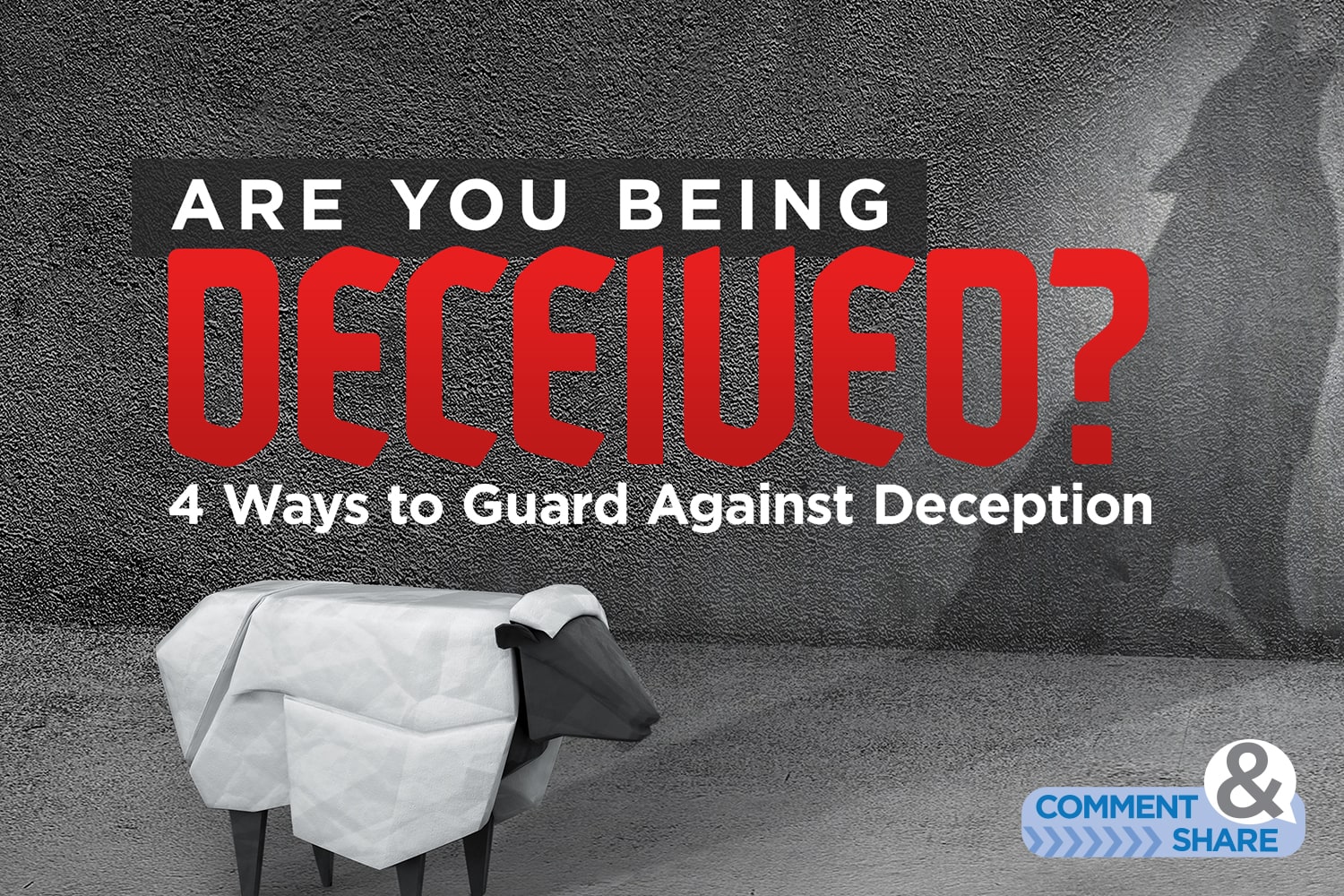
Have you ever wondered what the Bible says about deceit? Understanding the concept of deceit in the Scriptures can provide us with valuable insights on how to discern truth from falsehood in our daily lives. In this blog post, we will delve into the definition of deceit in the Bible and explore its significance for believers today.
By gaining a clear understanding of what deceit entails according to the teachings of the Bible, we can equip ourselves to navigate the complexities of honesty and deception in our interactions with others. Learning how deceit is addressed in the Scriptures can guide us towards living a more authentic and righteous life, grounded in the principles of truth and integrity. Join us on this exploration of the definition of deceit in the Bible and discover the wisdom it holds for those seeking to walk in the light of God’s truth.
Unveiling the Biblical Concept of Deceit: An Insightful Exploration
Deceit is a concept that is addressed numerous times in the Bible, often with strong warnings against it. In the Scriptures, deceit is defined as the act of misleading or tricking others, usually for personal gain or to achieve a specific outcome. It is considered a serious sin and is condemned by God.
One of the key aspects of deceit in the Bible is the idea of dishonesty and falsehood. Proverbs 12:22 states, “The Lord detests lying lips, but he delights in people who are trustworthy.” This verse emphasizes the importance of honesty and integrity in the eyes of God. Deceit involves the spreading of lies and misinformation, which goes against the moral principles outlined in the Bible.
Another important aspect of deceit in the Bible is the harm it causes to relationships and communities. Proverbs 11:9 warns, “With their mouths the godless destroy their neighbors, but through knowledge the righteous escape.” Deceitful actions can lead to broken trust, conflict, and division among people. It undermines the values of love, respect, and unity that are encouraged in the Bible.
Moreover, deceit is often associated with wickedness and evil intentions. Psalm 52:2 describes deceitful individuals as those who “devise wicked schemes; they lie to mislead.” This highlights the malicious nature of deceit and its destructive impact on both the deceiver and those who are deceived.
In the New Testament, the apostle Paul also addresses the issue of deceit. In Ephesians 4:25, he instructs believers to “put off falsehood and speak truthfully to your neighbor, for we are all members of one body.” This passage emphasizes the importance of living a life of honesty and transparency, free from deceitful practices.
Overall, deceit in the Bible is portrayed as a sin that goes against the values of truth, trust, and righteousness. It is warned against as a destructive force that can damage relationships, sow discord, and lead individuals away from God’s will. As believers, it is important to reject deceit and strive to live in accordance with the principles of honesty and integrity laid out in the Word of God.
What is meant by deceit in the Bible?
Deceit in the Bible refers to the act of misleading or tricking others through dishonesty or falsehood. It is seen as a sin and is frequently condemned throughout the scriptures. Proverbs 12:22 states, “The Lord detests lying lips, but he delights in people who are trustworthy.” Psalm 101:7 also warns against deceitful behavior, saying, “No one who practices deceit will dwell in my house; no one who speaks falsely will stand in my presence.” Overall, deceit is viewed as contrary to the values of honesty, integrity, and righteousness that are emphasized in the Bible.
What is considered deceit?
Deceit in the context of the Bible is considered as being dishonest or misleading others intentionally. It goes against the principles of truth and righteousness that are emphasized throughout the Bible. Deceit can take various forms, such as lying, cheating, or manipulating others for personal gain or to harm them. The Bible condemns deceitful behavior and encourages believers to walk in truth and integrity.
What does lasciviousness in the Bible mean?
In the Bible, lasciviousness refers to indulging in excessive sexual desires and behaviors that are considered immoral or sinful. It is often associated with lust, promiscuity, and a lack of self-control in matters of sexual conduct. The term is used to condemn actions that go against the teachings of the Bible regarding purity, fidelity, and respect for oneself and others.
The concept of lasciviousness is mentioned in several passages of the New Testament, including Galatians 5:19-21, where it is listed as one of the works of the flesh that are contrary to the fruit of the Spirit. In this context, lasciviousness is seen as a behavior that leads individuals away from God’s will and hinders their spiritual growth.
Overall, lasciviousness is regarded as a serious sin in Christianity that is to be avoided and overcome through faith, self-discipline, and reliance on the grace of God.
What does deceive mean spiritually?
In a spiritual context within the Bible, deceive typically refers to being misled or tricked by false teachings, beliefs, or individuals who lead others away from the truth of God’s word. Deception is often associated with the work of Satan, who is described as the father of lies in John 8:44. The Bible warns believers to be vigilant and discerning, so as not to be deceived by false prophets or deceptive spirits (Matthew 24:4, 1 John 4:1). Falling prey to deception can lead one astray from God’s will and ultimately result in spiritual harm. It is crucial for Christians to stay rooted in prayer, study the scriptures diligently, and seek the guidance of the Holy Spirit to avoid being deceived.