
Have you ever wondered about the diverse and intriguing examples of variance found within the pages of the Bible? From contrasting narratives to conflicting viewpoints, these variations offer a rich tapestry of perspectives that can deepen our understanding and appreciation of the ancient texts. In this blog post, we will explore some fascinating examples of variance in the Bible, shedding light on the complexities and nuances that make this sacred scripture a source of endless fascination and contemplation.
By delving into these instances of variance in the Bible, we have the opportunity to engage with the text in a more nuanced and critical manner. Rather than seeing discrepancies as obstacles to faith, we can view them as invitations to explore the diverse voices and perspectives that have contributed to the formation of the biblical canon. Through this exploration, we may gain a deeper appreciation for the complexities of interpretation and the richness of the spiritual insights that can be gleaned from grappling with these variations.
Diving into the Diversity: Exploring Variances in the Bible
In the Bible, there are numerous examples of variance that depict a range of situations involving disagreement, conflict, or divergence. These instances serve to highlight the complexities of human interactions and relationships as well as the challenges faced by individuals and communities in different contexts.
One prominent example of variance in the Bible is the story of Cain and Abel. In this narrative from the book of Genesis, the two brothers offer sacrifices to God, but only Abel’s offering is accepted while Cain’s is rejected. This leads to jealousy and resentment on Cain’s part, ultimately culminating in the murder of Abel. The variance in their actions and attitudes towards God’s favor showcases the destructive consequences of envy and rivalry.
Another significant example of variance can be found in the story of the Tower of Babel in the book of Genesis. In this account, humanity attempts to build a tower that reaches the heavens, but God intervenes by confusing their language, leading to a dispersion of people across the earth. The differing ambitions and aspirations of the people involved in the construction project result in a clash of priorities and ultimately lead to a breakdown in communication and unity.
The Bible also contains examples of variance in the form of theological disagreements and debates among early Christian communities. One notable instance is the disagreement between the apostles Paul and Peter regarding the practice of circumcision in the early church. Their differing interpretations of the significance of Jewish customs for Gentile converts highlight the diversity of perspectives within the early Christian movement and the need for dialogue and discernment in matters of faith and practice.
Additionally, the book of Job offers a profound exploration of variance in the context of suffering and divine justice. The various responses of Job and his friends to his plight reflect contrasting views on the nature of suffering, the role of God in human affairs, and the meaning of righteousness. The debates and discussions that unfold in the text illustrate the complexity and mystery of human suffering and the limitations of human understanding in the face of adversity.
Overall, the examples of variance in the Bible provide valuable insights into the complexities of human nature, the challenges of living in community, and the importance of seeking understanding and reconciliation in the midst of conflict and disagreement. These narratives invite readers to reflect on their own attitudes and responses to variance in their lives and to consider how they can navigate differences with grace, humility, and wisdom.
What does variance in the Bible mean?
In the context of the Bible, variance refers to discord, disagreement, or conflict between individuals. It can also indicate a state of being at odds with one another. The term “variance” is often used in the Bible to describe disputes or disagreements among people. In Matthew 5:25, for example, Jesus advises reconciling with your adversary quickly while you are still on the way to court, lest at any time the adversary deliver you to the judge, and the judge deliver you to the officer, and you be cast into prison. Overall, variance in the Bible signifies a lack of unity and harmony, emphasizing the importance of resolving conflicts and promoting peace among believers.
What does the Bible say about variation?
In the context of the Bible, the concept of variation is not explicitly addressed. However, there are verses that touch on themes related to diversity and differences among people. One key passage is Galatians 3:28, which states: “There is neither Jew nor Greek, there is neither slave nor free, there is no male and female, for you are all one in Christ Jesus.” This verse highlights the unity and equality of all believers in Christ, regardless of their background or status. Additionally, 1 Corinthians 12:4-6 speaks to the diversity of spiritual gifts within the body of Christ, emphasizing that while there are different kinds of gifts, they all come from the same Spirit and serve a common purpose. Overall, the Bible teaches that God values and embraces the uniqueness and variety present in His creation.
What is the spirit of variance?
The spirit of variance in the Bible refers to a divisive and discordant attitude that causes conflict and disharmony among believers. It is often associated with disagreements, disputes, and divisions within a community or congregation. The apostle Paul warns against the spirit of variance in his letter to the Galatians, highlighting the importance of unity and peace among believers. Christians are encouraged to strive for reconciliation, forgiveness, and understanding in order to overcome the spirit of variance and maintain harmony within the body of Christ.
What is variance in Galatians 5/20?
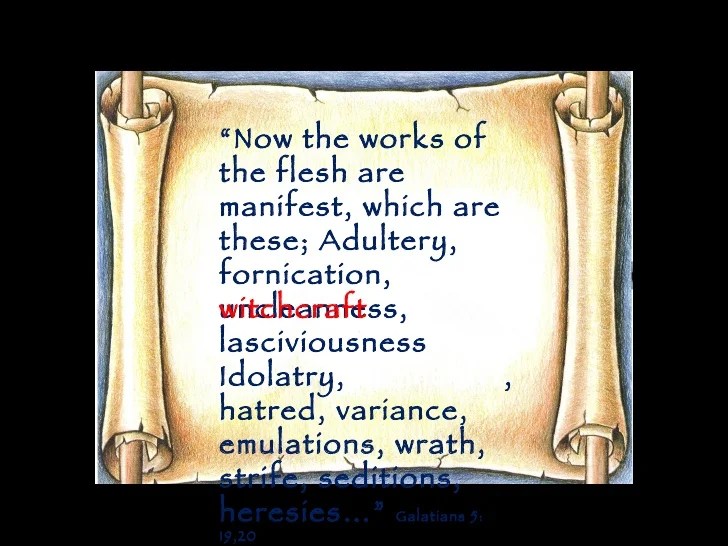
In Galatians 5:20, the term “variance” refers to discord, strife, contention, or quarreling among individuals. It is listed as one of the works of the flesh in this passage, along with other negative behaviors such as hatred, jealousy, and fits of anger. The presence of variance in a person’s life is seen as contrary to the fruits of the Spirit, which include love, joy, peace, patience, kindness, goodness, faithfulness, gentleness, and self-control.