
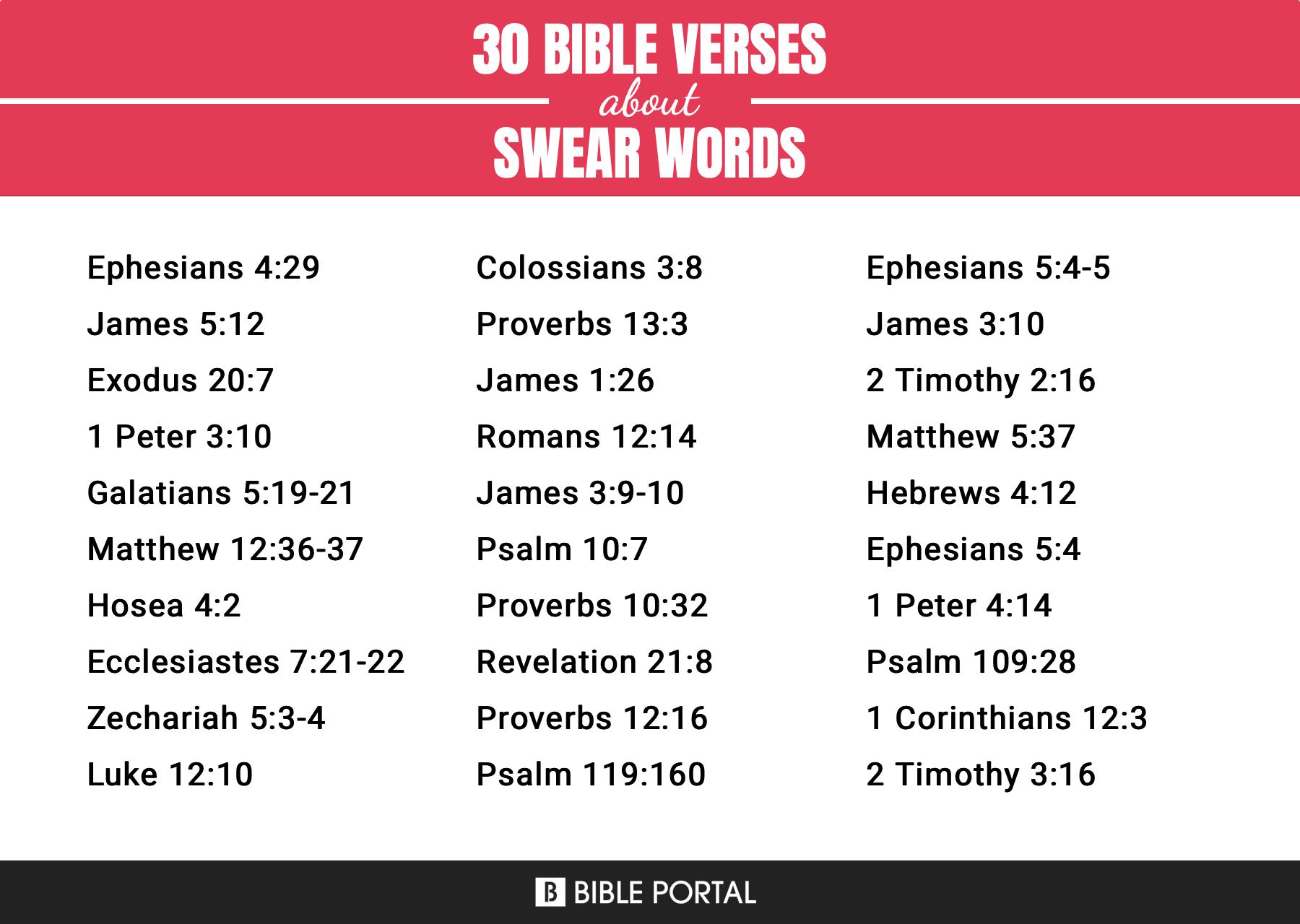
Have you ever wondered how many curse words are in the Bible? Surprisingly, the answer may not be as straightforward as you think. In this blog post, we’ll delve into the fascinating world of biblical language and explore the use of curses within the text. By uncovering the truth about curse words in the Bible, you’ll gain a deeper understanding of the historical and cultural contexts in which these words were used, providing valuable insights into the richness and complexity of scripture.
By examining the presence of curse words in the Bible, we can also shed light on the significance of language and communication in biblical times. Understanding the use of curses within the context of ancient texts can enhance your appreciation for the nuances of biblical storytelling and the power of words to convey meaning and emotion. Join us on this exploration as we unravel the mystery of curse words in the Bible and discover the hidden treasures of language waiting to be uncovered.
Unveiling the Profanity: Investigating the Presence of Curse Words in the Bible
The Bible is a sacred text revered by millions around the world, but it may come as a surprise to some that it does contain instances of curse words. These curse words are not what we typically think of in modern-day language, but rather words that were considered taboo or offensive in the times when the Bible was written.
One of the most well-known instances of curse words in the Bible can be found in the book of Psalms. In Psalm 109:17-18, the psalmist writes, “He loved to curse—may it come back on him. He took no pleasure in blessing—may it be far from him. He wore cursing as his garment; it entered into his body like water, into his bones like oil.” This passage demonstrates the use of curses as a form of punishment or judgement.
Another example of curse words in the Bible can be seen in the book of Job. In Job 3:3, Job laments his suffering and curses the day of his birth, saying, “Let the day perish on which I was born, and the night that said, ‘A man is conceived.’” Job’s curse expresses his deep anguish and despair in the face of his trials.
In the New Testament, there are also instances of strong language that could be considered curse words. In Philippians 3:8, the apostle Paul uses strong language to express his disdain for worldly things, saying, “I consider them garbage, that I may gain Christ.” While not a traditional curse word, Paul’s use of language here conveys a sense of contempt for earthly possessions.
Overall, while the Bible does contain instances of curse words, it is important to remember that these words are used in a different context than we might use them today. They serve to convey strong emotions, judgments, or expressions of despair within the biblical narrative. Understanding the cultural and historical context of these curse words can help us interpret them in a more nuanced way.
How many swear words are there in the Bible?
There are no specific swear words found in the Bible. However, there are verses that contain strong language or cursing, but they are not considered swear words in the same sense as modern profanity. The Bible does warn against using unwholesome language and encourages believers to speak with grace and kindness.
Does the Bible say what cuss words are?
The Bible does not specifically list out prohibited “cuss words” as we know them today. However, it does provide guidance on the use of language.
Ephesians 4:29 (NIV) states, “Do not let any unwholesome talk come out of your mouths, but only what is helpful for building others up according to their needs, that it may benefit those who listen.” This verse encourages believers to speak in a way that is edifying and encouraging to others.
Colossians 3:8 (NIV) also advises, “But now you must also rid yourselves of all such things as these: anger, rage, malice, slander, and filthy language from your lips.” This verse emphasizes the importance of avoiding profane or vulgar language.
While the Bible does not provide a specific list of cuss words, it encourages believers to use speech that is uplifting, kind, and free from obscenity or vulgarity.
How many curses are in the Bible?
There are many curses mentioned throughout the Bible. These curses can be found in various passages and contexts, including consequences for disobedience, divine judgments, or prophetic declarations. Some well-known instances of curses in the Bible include:
1. The curse on the serpent in Genesis 3:14-15
2. The curses pronounced by God on humanity and creation after Adam and Eve’s sin in Genesis 3:16-19
3. The curses outlined in the Mosaic Law for disobedience in Deuteronomy 28
4. The curses pronounced by Jesus on the fig tree in Mark 11:12-14
These are just a few examples, and there are many more instances of curses throughout the Bible, serving as warnings, punishments, or expressions of divine justice.
What is the #1 swear word?
In the context of the Bible, there isn’t a specific “#1 swear word” as swearing is generally discouraged in Christian teachings. However, some words or expressions that are considered inappropriate or disrespectful in the context of the Bible include blasphemy, cursing, and taking the Lord’s name in vain. It’s important to remember that using such language goes against the principles of love, respect, and honoring God taught in the Bible.