
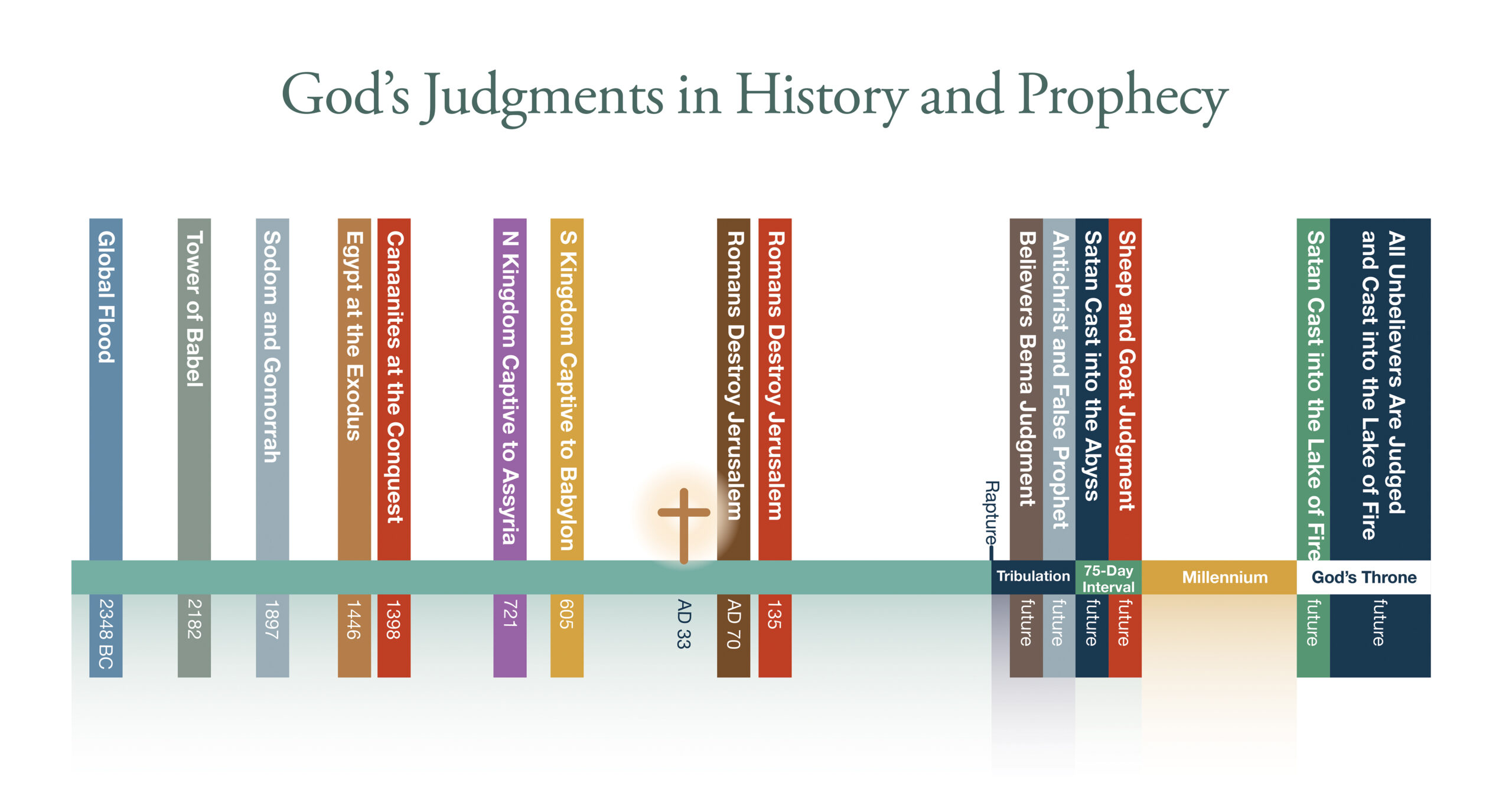
Have you ever wondered how many judgments are mentioned in the Bible and what significance they hold for believers? Understanding the different types of judgments found in scripture can provide valuable insights into God’s character, His justice, and our own accountability as followers of Christ. In this blog post, we will explore the various judgments mentioned in the Bible and delve into their implications for our faith and daily lives.
By gaining a deeper understanding of the judgments present in the Bible, we can develop a more profound appreciation for the righteousness and fairness of God. Exploring these truths can also help us align our lives with God’s will, leading to spiritual growth and a stronger relationship with Him. Join us on this journey of discovery as we uncover the significance of the judgments in the Bible and how they shape our understanding of God’s plan for redemption and justice.
Exploring the Various Judgments Found in the Bible
In the Bible, there are several references to different types of judgments that are carried out by God. These judgments serve as a way for God to exercise justice and righteousness among His people and the world. Here are some of the key types of judgments mentioned in the Bible:
1. Judgment of Sin: One of the most prominent themes in the Bible is the judgment of sin. Throughout the Old and New Testaments, there are numerous examples of God judging individuals, nations, and even the whole world because of their disobedience and rebellion against Him. The consequences of sin are severe, but they also demonstrate God’s holiness and justice.
2. Judgment of the Nations: In many passages of the Bible, God is depicted as judging and punishing entire nations for their wickedness and idolatry. Examples of this include the judgment of Egypt, Babylon, and Assyria in the Old Testament. These judgments serve as a warning to other nations and a reminder of God’s sovereignty over all the earth.
3. Final Judgment: The concept of a final judgment is a central theme in the New Testament, particularly in the teachings of Jesus and the book of Revelation. This final judgment is often referred to as the Day of Judgment or the Great White Throne Judgment. It is believed that all individuals will stand before God to be judged according to their deeds, and those who have accepted Jesus Christ as their savior will receive eternal life, while the unbelievers will face eternal punishment.
4. Judgment of Believers: Another aspect of judgment in the Bible is the judgment of believers. While Christians are saved by grace through faith in Jesus Christ, their works will still be judged by God. This judgment is not for condemnation but for rewards in heaven. The Bible talks about the “Bema Seat of Christ,” where believers will receive crowns and rewards based on their faithfulness and obedience to God.
5. Judgment of the Fallen Angels: In addition to judging human beings, the Bible also mentions the judgment of fallen angels or demonic forces. These rebellious spiritual beings are held accountable for their actions and will face eternal punishment along with unbelievers.
Overall, the concept of judgment in the Bible serves as a reminder of God’s righteousness, holiness, and sovereignty over all creation. It is a central theme that emphasizes the importance of living a life that is pleasing to God and following His commandments.
Will there be two judgements in the Bible?
Yes, according to the Bible, there will be two judgments. The first judgment is known as the judgment of believers, also called the judgment seat of Christ, where Christians will be rewarded based on their faithfulness in serving God. This judgment is described in 2 Corinthians 5:10.
The second judgment is the Great White Throne Judgment, where unbelievers will be judged and sentenced according to their deeds. This judgment is described in Revelation 20:11-15. Overall, these two judgments highlight the importance of living a faithful life in accordance with God’s will.
What are the different types of judging in the Bible?
In the Bible, there are several different types of judging mentioned:
1. Judging Righteously: This type of judging is encouraged in the Bible and involves making fair and just decisions based on God’s principles. It entails discerning right from wrong and acting accordingly.
2. Judging Hypocritically: Jesus warned against hypocritical judging in Matthew 7:1-5, emphasizing the importance of self-reflection before pointing out the faults of others.
3. Final Judgement: The Bible also speaks of a final judgement day when all individuals will stand before God to give account of their lives. This judgement is eternal and determines one’s destiny in the afterlife.
4. Judging with Mercy: James 2:13 talks about the importance of showing mercy in our judgements, as we ourselves have received mercy from God.
5. Judging Others’ Actions: The Bible advises believers to judge actions and behaviors, not the person themselves. This involves holding others accountable in a loving and respectful manner.
Overall, the Bible encourages discernment and righteous judgement while warning against hypocrisy and harsh judgement of others.
What are the three judgements of God?
In the context of the Bible, there are three main judgments of God:
1. The Judgment of Sin: This is the judgment that all humanity faces because of sin. According to the Bible, sin separates us from God and leads to spiritual death.
2. The Judgment Seat of Christ: This judgment is specifically for believers in Jesus Christ. It is a judgment of works, where believers will receive rewards based on their faithfulness and service to God while on earth.
3. The Great White Throne Judgment: This judgment is described in the book of Revelation and is for unbelievers who have rejected God. It is a final judgment where those who have not accepted Jesus as their savior will be judged according to their deeds and ultimately sentenced to eternal separation from God in hell.
These three judgments are significant moments in biblical eschatology that highlight the importance of living a life in accordance with God’s will and accepting the salvation offered through Jesus Christ.
What are the four judgments of God?
In the context of the Bible, the four judgments of God are as follows:
1. Judgment of Sin: This is the judgment that falls on individuals for their sins and wrongdoing. It can refer to the consequences of sin in this present life or the ultimate judgment that awaits sinners in the afterlife.
2. Judgment of Nations: Throughout the Bible, we see instances where God judges entire nations for their collective sins and transgressions. This judgment can take the form of natural disasters, military defeat, or other calamities.
3. Judgment of Believers: Believers in Christ will also face a judgment, known as the Judgment Seat of Christ or the Bema Seat. This judgment is not about salvation but about how believers have lived their lives and served God after becoming Christians.
4. Final Judgment: The final judgment, also known as the Great White Throne Judgment, is the ultimate judgment where all unbelievers throughout history will stand before God and be judged according to their deeds. This judgment leads to eternal punishment for those who rejected God’s offer of salvation through Jesus Christ.
These four judgments serve as important theological concepts in understanding the nature of God’s justice and righteousness as revealed in the Bible.