
Have you ever wondered about the meaning of exile in the Bible? This concept of being removed from one’s homeland crops up repeatedly throughout scripture, playing a significant role in shaping the narratives of various figures and the overall trajectory of God’s people. By delving into the significance of exile in the Bible, we can gain a deeper understanding of themes such as suffering, redemption, and ultimately, the enduring faithfulness of God.
Exploring the concept of exile in the Bible not only offers insights into historical events but also provides valuable lessons that are relevant to our lives today. Through studying the stories of exile and return, we can reflect on our own experiences of displacement or alienation, finding comfort in the examples of resilience and restoration found in scripture. Join us on this exploration of the meaning of exile in the Bible and discover the profound truths and timeless wisdom it has to offer.
The Biblical Significance of Exile: Understanding its profound meanings and implications
Exile is a prevalent theme throughout the Bible, appearing in both the Old and New Testaments. It is a concept that carries significant weight and symbolism, representing a state of separation or removal from one’s homeland or place of belonging. In the context of the Bible, exile is often associated with punishment for disobedience to God, as well as a means of purification and redemption.
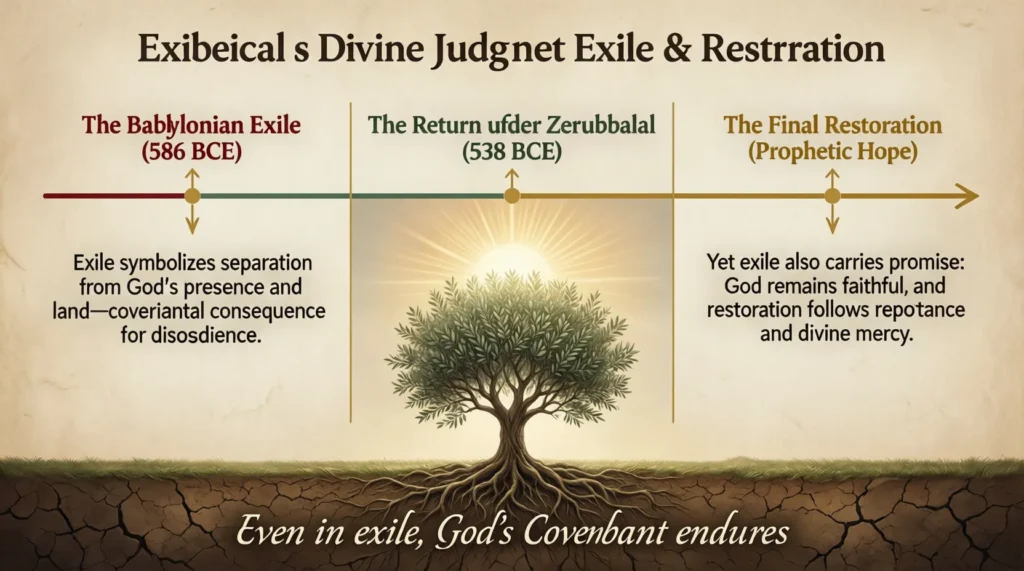
One of the most well-known instances of exile in the Bible is the exile of the Israelites to Babylon. This period of exile, known as the Babylonian Captivity, lasted for 70 years and is described in detail in the books of Jeremiah, Ezekiel, and Daniel. The Israelites were taken captive by the Babylonians as a result of their continued disobedience to God and their worship of false idols. The exile to Babylon was a time of great suffering and hardship for the Israelites, but it also served as a period of spiritual growth and reflection, leading many to repentance and a renewed commitment to God.
In the New Testament, exile is also a prominent theme, particularly in the writings of the apostle Paul. Paul often refers to himself as an exile or sojourner in his letters, emphasizing the idea that as Christians, our true home is not in this world but in heaven. This sense of exile serves to remind believers that we are called to live as strangers and pilgrims in this world, holding fast to our faith in the midst of trials and tribulations.
Exile in the Bible is ultimately a multifaceted concept that encompasses themes of punishment, redemption, purification, and spiritual growth. It serves as a reminder of the consequences of disobedience to God, as well as a call to repentance and a renewed commitment to faith. The experience of exile can be a challenging and painful one, but it can also lead to a deeper understanding of God’s purposes and a stronger reliance on His grace and mercy.
As we reflect on the meaning of exile in the Bible, may we be reminded of the importance of remaining faithful to God in all circumstances, trusting in His sovereignty and His ultimate plan for our lives. May we find hope and comfort in the knowledge that even in exile, God is present with us, guiding us and leading us back to Himself.
What is the spiritual meaning of exile?
In the context of the Bible, exile carries a deep spiritual meaning. It often symbolizes separation from God’s presence due to sin and disobedience. Throughout the Old Testament, the Israelites experienced exile as a consequence of turning away from God and breaking their covenant with Him.
However, exile is also a time of purification and repentance. It serves as a period of reflection and restoration, where individuals or communities have the opportunity to turn back to God and seek forgiveness. In this sense, exile can be seen as a form of discipline from God, meant to draw His people back to Him.
Ultimately, exile highlights the importance of obedience, faithfulness, and reliance on God. It reminds us of the consequences of straying from His path and the gracious opportunity for reconciliation and restoration that He offers.
What is the literal meaning of the word exile?
The literal meaning of the word exile in the context of the Bible refers to being forced to leave one’s own country or home. In the Bible, exile often symbolizes separation from God and loss of blessings due to disobedience or sin.
What was God’s purpose behind the exile?
In the context of the Bible, God’s purpose behind the exile was multifaceted. The exile refers to the period in Jewish history when the people of Judah were taken captive and removed from their homeland by the Babylonians.
One of the primary purposes of the exile was as a form of divine punishment for the Israelites’ persistent disobedience and idolatry. Through the exile, God sought to discipline His people and bring about repentance and a renewed commitment to following His commandments.
Additionally, the exile served as a means for God to demonstrate His sovereignty and power over all nations. Despite the Israelites’ captivity, God remained in control and used the exile as a way to fulfill His divine plan for redemption and restoration.
Ultimately, the exile was a crucial part of God’s larger redemptive plan for humanity, highlighting the consequences of sin, the importance of obedience, and the promise of eventual restoration and renewal.
What does it mean to be in exile in life?
In the Bible, being in exile refers to the state of being forcibly removed from one’s homeland and living in a foreign land as a result of judgment, punishment, or persecution. This concept is prevalent throughout the Old Testament, particularly in the books of Jeremiah, Ezekiel, and Daniel.
Being in exile often symbolizes separation from God’s presence and disconnection from one’s spiritual roots. It represents a period of suffering, repentance, and longing for restoration. The experience of exile can lead individuals to reflect on their actions, seek forgiveness, and strive to return to a right relationship with God.
However, being in exile is not solely a physical displacement; it can also be a spiritual condition. People can experience a sense of exile in their lives when they feel distant from God, disconnected from their community, or alienated from their true selves. In such instances, the journey of exile becomes a metaphor for the search for belonging, meaning, and redemption.
Overall, being in exile in life, as portrayed in the Bible, signifies a state of displacement, alienation, and longing for restoration—both physically and spiritually. It is a powerful theme that speaks to the human experience of brokenness and the universal desire for reconciliation and renewal.