
Have you ever come across the term “seditions” while reading the Bible and wondered about its meaning and significance? In this blog post, we will delve into the deep roots of this word in biblical context and explore its implications for our faith and daily lives. Understanding the meaning of seditions in the Bible can provide us with valuable insights into how we can navigate challenges and conflicts with wisdom and grace.
By unpacking the concept of seditions in the Bible, we can gain a deeper understanding of the importance of unity and harmony within the Christian community. This knowledge can equip us with the tools to address disagreements and divisions in a constructive manner, fostering a spirit of love and reconciliation. Join us on this enlightening journey as we uncover the profound significance of seditions in the scriptures and discover how it can enrich our spiritual walk.
Unveiling the Biblical Significance of Seditions: Understanding their Meaning in Scriptures
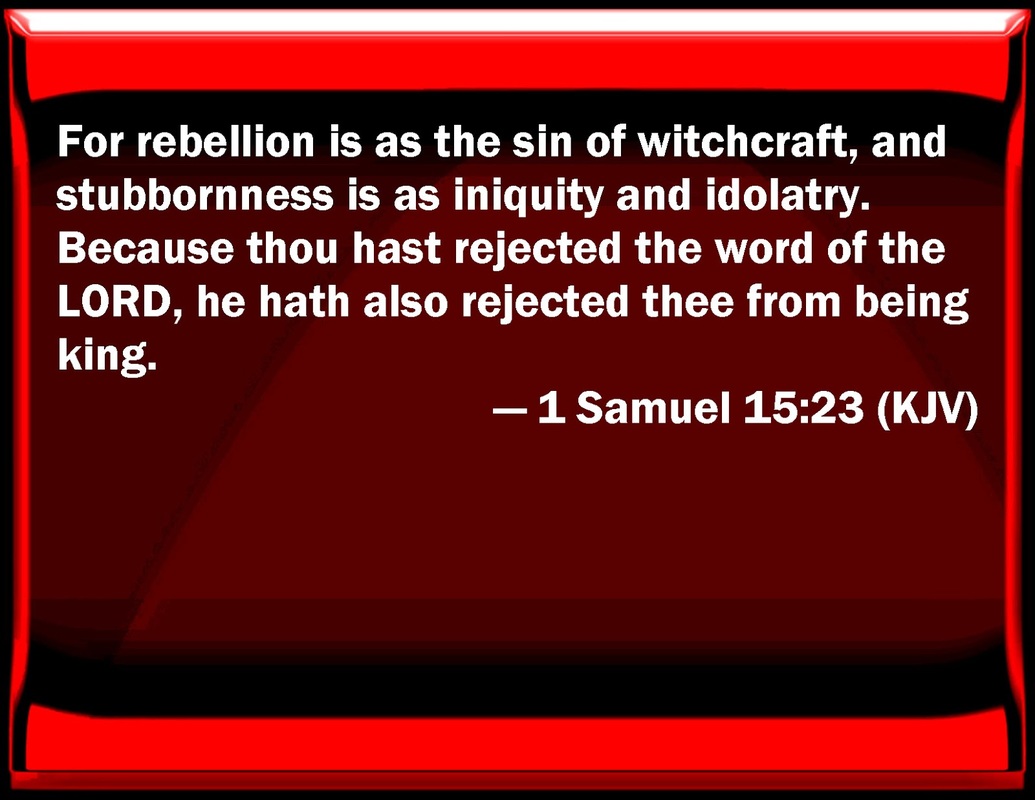
Throughout the Bible, the term “seditions” is mentioned in several contexts, often carrying negative connotations. In general, sedition refers to actions or speech inciting people to rebel against authority or government. The concept of sedition is intertwined with rebellion and defiance, which are recurrent themes in biblical texts.
One of the key passages where sedition is discussed is in the New Testament in the book of Galatians 5:19-21 (NIV). Here, seditions are listed among the works of the flesh, along with other vices such as idolatry, witchcraft, hatred, discord, jealousy, fits of rage, selfish ambition, dissensions, factions, and envy. The passage warns believers against engaging in such behaviors, emphasizing the importance of living in accordance with the Spirit rather than the flesh.
Additionally, in the book of Romans 13:1-2 (NIV), the apostle Paul writes about the importance of submitting to governing authorities. He highlights the consequences of rebelling against lawful authority and emphasizes that those who resist authority are rebelling against what God has instituted. This passage underscores the biblical principle of respecting authority and maintaining order in society.
In the Old Testament, the concept of seditions is also addressed in various passages. In the book of Proverbs 24:21-22 (NIV), King Solomon advises his readers to fear the Lord and the king, warning against association with rebels. The passage conveys the idea that aligning oneself with those who sow discord and rebellion can lead to negative consequences and ultimately harm.
Overall, the Bible portrays seditions as acts of disobedience and disregard for authority, warning believers against engaging in such behavior. The theme of respecting authority and promoting unity runs throughout the biblical texts, highlighting the importance of upholding order and peace in society. As such, the concept of seditions serves as a cautionary reminder for believers to live in accordance with God’s will and to promote harmony and unity in their interactions with others.
What is the spiritual meaning of sedition?
In the context of the Bible, the spiritual meaning of sedition is a rebellious act against authority or a divisive behavior that disrupts unity among believers. The Bible teaches respect for authority and emphasizes the importance of maintaining peace and harmony within the community of believers. Sedition can lead to dissension, conflict, and destruction, which goes against the principles of love, forgiveness, and unity that are central to the Christian faith. In essence, sedition is seen as a sinful and destructive behavior that goes against the teachings of the Bible.
What is the literal meaning of sedition?
In the context of the Bible, the literal meaning of sedition refers to actions or speech inciting people to rebel against the authority or government in power. It is a behavior that promotes disobedience or resistance to lawful authority. In the Bible, sedition is often viewed as a serious offense because it can lead to division, chaos, and unrest among people.
What does the word seditions mean in Galatians 5:20?
In Galatians 5:20, the word “seditions” refers to actions or behavior that incite resistance against authority or established order. It denotes a spirit of rebellion or insubordination.
The verse in Galatians 5:20 lists ” … idolatry, sorcery, enmities, strife, jealousy, outbursts of anger, disputes, dissensions, factions…” as part of the works of the flesh, highlighting behaviors that are contrary to the teachings of Christianity.
Therefore, “seditions” in this context condemns actions that promote division, discord, and rebellion within the community of believers. It emphasizes the importance of unity, peace, and submission to God’s authority in the Christian faith.
What is the sin of seditions?
In the context of the Bible, the sin of seditions refers to creating division, discord, or rebellion within a group of people, particularly in a religious or social setting. The Bible condemns such behavior, as it undermines unity and promotes strife among believers. The apostle Paul addresses this issue in his letter to the Galatians, where he lists “seditions” as one of the works of the flesh (Galatians 5:19-21). Seditions go against the principles of love, peace, and harmony that are encouraged throughout the Bible.