
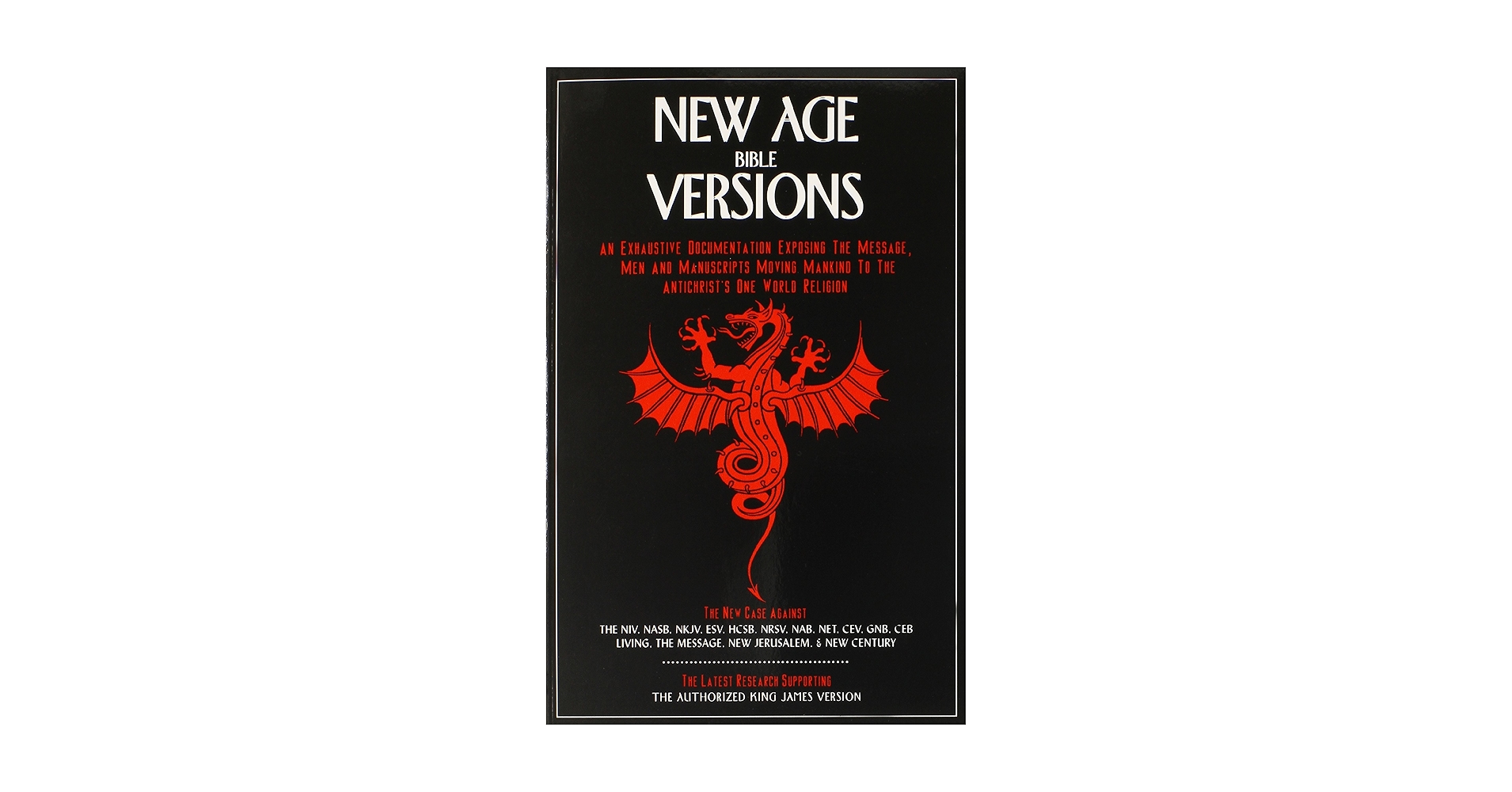
Are you curious about the impact of new age versions of the Bible? Dive into the controversial and thought-provoking world of “New Age Bible Versions” by Gail Riplinger in this enlightening blog post. Gail Riplinger’s comprehensive analysis sheds light on the subtle yet significant changes that modern translations of the Bible have undergone, offering a unique perspective on the potential implications for readers.
Explore how the intricate details and insights provided by Gail Riplinger can deepen your understanding of the Bible and equip you with a critical eye towards contemporary translations. Discover the invaluable knowledge and discernment that can empower you to navigate the sea of Bible versions with confidence and clarity. Don’t miss out on this opportunity to enhance your Biblical study experience and gain a fresh perspective on the impact of new age interpretations on the timeless message of the Scriptures.
Unveiling the Controversy: Analyzing New Age Bible Versions by Gail Riplinger
New Age Bible Versions is a controversial book written by Gail Riplinger that criticizes several modern translations of the Bible. In her work, Riplinger argues that these versions have been corrupted by New Age beliefs, occult influences, and even deliberate mistranslations. She compares these modern versions to the King James Version (KJV), which she believes to be the most accurate and faithful translation of the Bible.
Riplinger’s central thesis is that the changes made in the newer translations distort the original meaning of the biblical text and promote false doctrines. She points to specific examples where verses in modern versions differ significantly from the KJV, leading to theological differences and confusion among readers.
One of the main arguments Riplinger makes is that the modern translations are based on corrupted manuscripts, such as the Codex Vaticanus and the Codex Sinaiticus, which she claims have been altered to align with New Age philosophies. She also suggests that influential figures in the publishing industry have intentionally promoted these versions to undermine the authority of the Bible and promote a syncretic, New Age worldview.
Riplinger’s book has sparked heated debates within Christian circles, with some critics praising her for raising awareness about potential issues with modern translations, while others accuse her of fear-mongering and promoting a divisive agenda. Despite the controversy surrounding her work, Riplinger has gathered a dedicated following among those who share her concerns about the integrity of the Bible and the impact of modern translations on Christian theology.
In conclusion, New Age Bible Versions by Gail Riplinger raises important questions about the accuracy and reliability of modern translations of the Bible. While her claims are subject to debate and scrutiny, the book serves as a reminder of the need for careful examination and discernment when it comes to studying scripture in a rapidly changing world.