
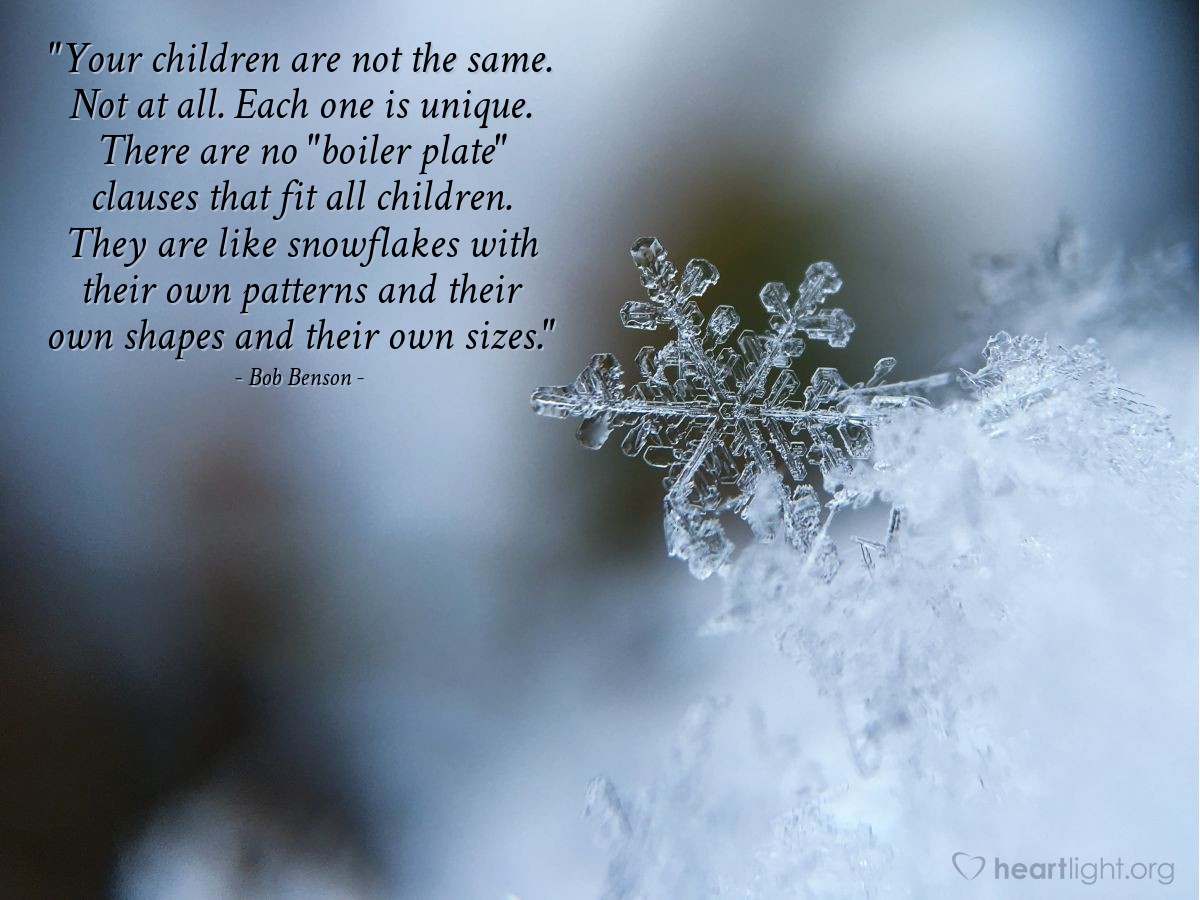
Have you ever marveled at the intricate beauty of a snowflake and wondered about the uniqueness of each one? In a world filled with billions of snowflakes, it’s incredible to think that no two are alike. This phenomenon serves as a reminder of the amazing diversity and individuality in God’s creation. As we contemplate this natural wonder, we can also reflect on the significance of our own unique identities and purposes in life.
The Bible verse that captures this awe-inspiring concept can be found in Psalm 139:14, which states: “I praise you because I am fearfully and wonderfully made; your works are wonderful, I know that full well.” This verse reminds us that each of us is intricately crafted by God with great care and attention to detail. Just as no two snowflakes are alike, each of us is a special creation of God, designed for a specific purpose and role in His divine plan.
The Unique Wonder of Snowflakes: Exploring the Biblical Perspective
The Bible verse “No two snowflakes are alike” is not an explicit verse found in the Bible, but the concept behind this phrase can be related to various verses that emphasize the uniqueness and intricate design of God’s creation.
One such verse is Psalm 139:14 which states, “I praise you because I am fearfully and wonderfully made; your works are wonderful, I know that full well.” This verse highlights the individuality and special nature of each person, just like how every snowflake is uniquely crafted by God.
Another verse that reflects this idea is Jeremiah 1:5 which says, “Before I formed you in the womb I knew you, before you were born I set you apart; I appointed you as a prophet to the nations.” This verse underscores the predestined purpose and uniqueness of each person according to God’s divine plan.
In the book of Genesis, it is mentioned that God created everything with its own kind, emphasizing the diversity and distinctiveness of His creation. This notion can be connected to the idea that just as no two snowflakes are alike, each individual is created with specific characteristics and purposes.
Overall, the concept that “no two snowflakes are alike” resonates with the biblical message of the intricacy, individuality, and intentionality in God’s creation, showcasing His boundless creativity and attention to detail in crafting each and every living being.
What does the Bible say about snowflakes?
The Bible does not specifically mention snowflakes, but it does talk about snow in a few verses.
In Psalm 147:16-17, it says: “He gives snow like wool; he scatters frost like ashes. He hurls down his crystals of ice like crumbs; who can stand before his cold?”
Another verse that mentions snow is Isaiah 1:18: “Come now, let us reason together, says the LORD: though your sins are like scarlet, they shall be as white as snow; though they are red like crimson, they shall become like wool.”
These verses illustrate the beauty and purity associated with snow, which can be metaphorically linked to aspects of God’s creation and forgiveness.
Who first said no two snowflakes are alike?
The idea that “no two snowflakes are alike” was first expressed by Wilson Bentley, a farmer and amateur scientist, in the late 19th century. Bentley spent years photographing thousands of snowflakes to demonstrate their diversity and uniqueness.
Is it true that there are no two snowflakes the same?
The Bible does not specifically address the uniqueness of snowflakes. However, the idea that no two snowflakes are alike is a common saying that reflects the intricate and individual nature of creation. Each snowflake is formed in its own unique way as it descends from the sky. This can serve as a reminder of God’s creativity and attention to detail in all aspects of the world He has made.
What is the snowflake and God quote?
The snowflake and God quote is often attributed to author Francis Thompson and goes like this: “God made man in his own image, and man returned the favor.” This quote conveys the idea that humans have a tendency to project their own traits, biases, and characteristics onto their perception of God. It serves as a reminder of the way in which our understanding of God can be influenced by our own limited perspectives and experiences. The quote implies that we often shape God in our own image, rather than striving to truly know and understand the divine being beyond our human comprehension.