
Have you ever wondered about the significance of perverse speech in the Bible? In this blog post, we will delve into the meaning and implications of such language as portrayed in the scriptures. Understanding the concept of perverse speech in the context of the Bible can provide us with valuable insights on how to communicate effectively and honorably in our daily lives.
Exploring the concept of perverse speech in the Bible can help us gain a deeper understanding of the power of words and the importance of using our language wisely. By reflecting on the implications of this biblical teaching, we can strive to cultivate a more positive and uplifting communication style that aligns with the values and teachings of the scriptures. Join us on this enlightening journey as we uncover the true meaning of perverse speech in the context of the Bible.
Unveiling the Significance of Perverse Speech in Biblical Context
Perverse speech, as described in the Bible, refers to language that is deceitful, immoral, corrupt, or wicked in nature. The concept of perverse speech is addressed in various scriptures throughout the Bible, emphasizing the importance of using our words wisely and with integrity.
In Proverbs 4:24, it is written, “Away from you a devious mouth, keep corrupt talk far from your lips.” This verse warns against the dangers of speaking deceitfully or dishonestly. Perverse speech not only reflects a lack of moral character but also has the potential to harm others and damage relationships. Therefore, it is essential for believers to guard their tongues and speak with honesty and sincerity.
In Ephesians 4:29, the apostle Paul instructs, “Do not let any unwholesome talk come out of your mouths, but only what is helpful for building others up according to their needs, that it may benefit those who listen.” This verse highlights the power of words to either edify or tear down. Perverse speech not only reflects poorly on the speaker but also has the potential to negatively impact those who hear it.
Furthermore, Proverbs 6:12-14 describes the characteristics of a “worthless and wicked” person, including one who winks maliciously, signals with feet, and makes gestures with fingers. These actions are symbolic of deceitful communication and manipulative behavior, which are contrary to the virtues of honesty and integrity promoted in the Bible.
The consequences of engaging in perverse speech are also highlighted in Proverbs 10:31-32, which states, “The mouth of the righteous brings forth wisdom, but a perverse tongue will be cut out. The lips of the righteous know what finds favor, but the mouth of the wicked only what is perverse.” These verses underscore the significance of using our words to promote righteousness and speak truthfully, rather than engaging in deceitful or corrupt speech.
Overall, the Bible emphasizes the importance of guarding our tongues and speaking with integrity and wisdom. Perverse speech is condemned, as it goes against the principles of righteousness and can have harmful effects on both the speaker and those who hear it. By being mindful of our words and striving to communicate with honesty and love, we can uphold the values of virtue and righteousness as outlined in the Scriptures.
What does perverse speech mean?
In the context of the Bible, perverse speech refers to using language that is dishonest, corrupt, or harmful. It includes speaking lies, spreading rumors, engaging in deceitful communication, or using words to manipulate or harm others. The Bible warns against perverse speech in verses such as Proverbs 4:24 which says, “Keep your mouth free of perversity; keep corrupt talk far from your lips.” Essentially, perverse speech goes against the principles of honesty, integrity, and kindness that are taught in the Bible.
What does perverse mean in the Bible?
In the context of the Bible, the term “perverse” is used to describe actions or attitudes that are contrary to God’s will and teachings. It refers to behavior that is willfully deviant or wicked in nature. Throughout the Bible, being described as perverse is seen as a serious offense against God. It often signifies a turning away from righteousness and choosing instead to follow one’s own sinful desires. The concept of being perverse is contrasted with living a life of obedience and holiness according to God’s commands.
What does the Bible say about perverse language?
In the Bible, Ephesians 4:29 states, “Do not let any unwholesome talk come out of your mouths, but only what is helpful for building others up according to their needs, that it may benefit those who listen.” This verse emphasizes the importance of using edifying and uplifting language rather than perverse or corrupt speech. Additionally, Colossians 3:8 warns against using obscene language, saying, “But now you must also rid yourselves of all such things as these: anger, rage, malice, slander, and filthy language from your lips.”
Therefore, according to the Bible, believers are encouraged to avoid using perverse language and instead speak in a way that builds up and benefits others.
What does perverse mouth mean in the Bible?
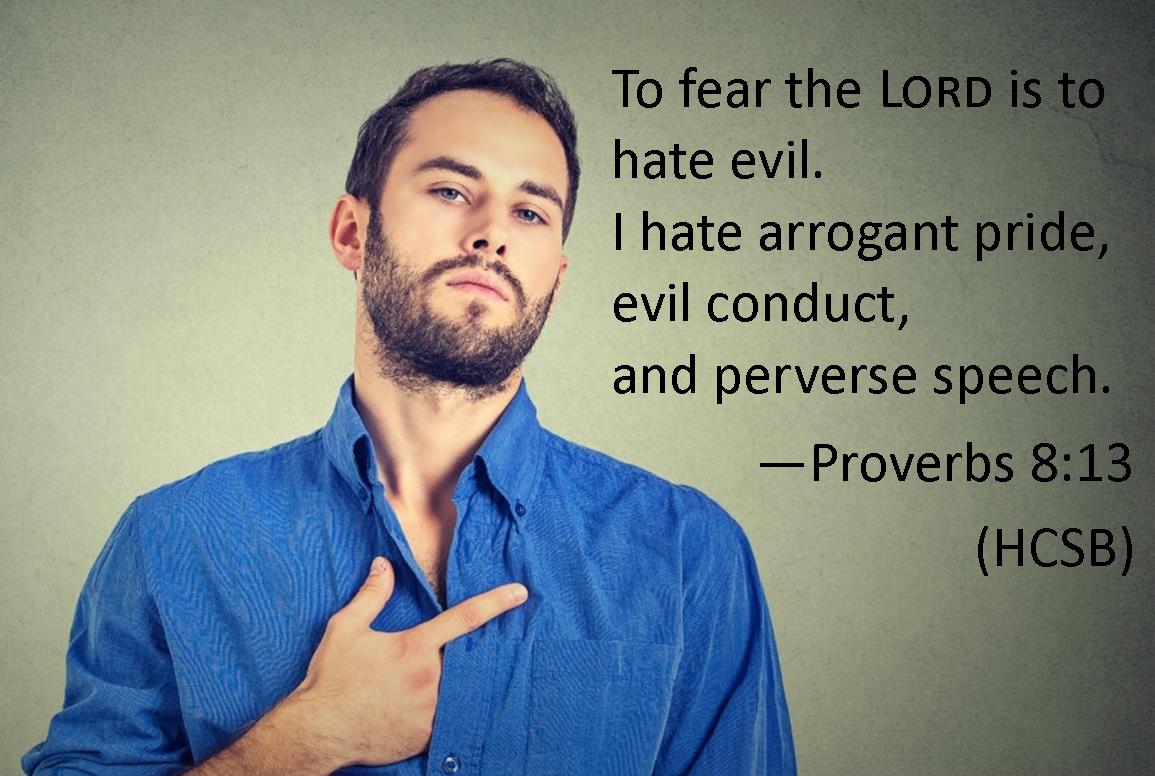
In the Bible, a “perverse mouth” is often used to refer to speech that is deceitful, corrupt, or dishonest. Proverbs 8:13 states, “The fear of the Lord is to hate evil; I hate pride and arrogance, evil behavior and perverse speech.” This implies that speaking in a perverse way goes against God’s teachings and is considered sinful. Additionally, Proverbs 10:31 says, “The mouth of the righteous brings forth wisdom, but the perverse tongue will be cut out.” This suggests that those who speak perversely will face consequences for their words. Overall, a “perverse mouth” in the Bible signifies speech that is contrary to righteousness and truth.