
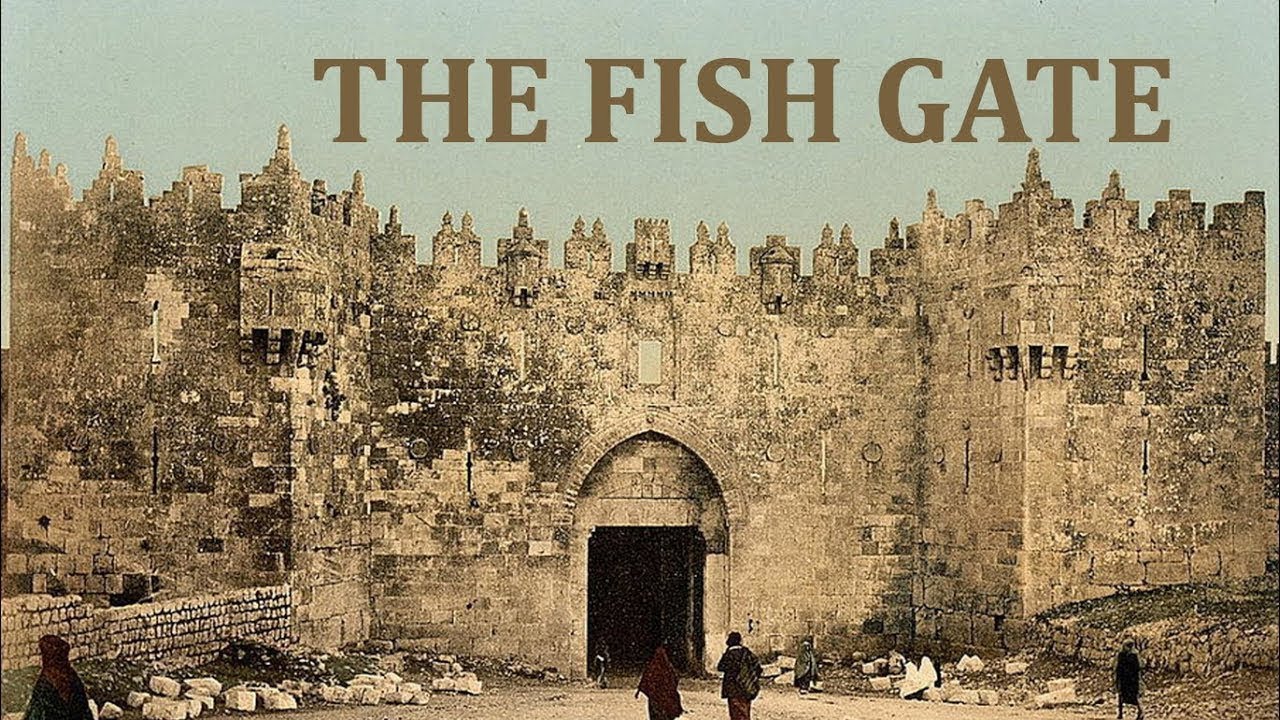
Have you ever wondered about the significance of the Fish Gate mentioned in the Bible? This often overlooked gate holds a rich history and spiritual symbolism that can offer us valuable insights into our faith journey. In this blog post, we will delve into the story behind the Fish Gate in the Bible and explore the lessons we can learn from its presence in the scriptures.
The Fish Gate in the Bible not only serves as a physical entry point but also holds deeper spiritual meanings that can inspire and guide us in our walk with God. By uncovering the significance of this gate, we can gain a deeper understanding of biblical truths and how they can be applied to our lives today. Join us on this exploration of the Fish Gate and discover the treasures of wisdom waiting to be uncovered in its ancient walls.
Exploring the Significance of the Fish Gate in the Biblical Context
The Fish Gate is a prominent location mentioned in the Bible, particularly in the book of Nehemiah. It holds significance both in terms of its historical context and its symbolic implications. The gate was one of the entrances to the city of Jerusalem and played a crucial role in the protection and sustenance of the people within.
Located on the north side of the city, the Fish Gate was likely named for the fish market that once operated nearby. Fishermen would bring their catch to this gate to sell to the inhabitants of Jerusalem. This gate served as a hub of economic activity, providing a vital source of food for the city’s residents.
In the book of Nehemiah, the Fish Gate is mentioned as one of the gates that was rebuilt during the restoration of Jerusalem’s walls. Nehemiah describes how various groups of people came together to repair different sections of the wall, with each group working on the portion of the wall nearest to their own homes. This collective effort highlights the unity and determination of the people to restore and protect their city.
Symbolically, the Fish Gate represents themes of sustenance, provision, and abundance in the Bible. Fish are often associated with abundance and blessing in the scriptures, and the presence of a gate dedicated to fish highlights the importance of God’s provision for His people. Just as the Fish Gate provided physical sustenance for the people of Jerusalem, God provides for His people spiritually and materially.
Additionally, the Fish Gate serves as a reminder of the importance of trade and commerce in the ancient world. The buying and selling of fish at this gate would have been a daily occurrence, reflecting the economic life of the city. This gate stood as a testament to the vitality and prosperity of Jerusalem as a center of trade and commerce.
Overall, the Fish Gate in the Bible carries both historical and symbolic significance, representing the provision, unity, and prosperity of God’s people. Its mention in the book of Nehemiah serves as a powerful reminder of the importance of working together for the common good and relying on God’s provision in all aspects of life.
What does the fish gate symbolize in the Bible?
In the Bible, the Fish Gate is mentioned in the Book of Nehemiah as one of the gates that was rebuilt during the restoration of Jerusalem’s walls. The Fish Gate symbolizes provision and sustenance. It is believed to have been the gate through which fish and other seafood were brought into the city for distribution and sale.
The importance of the Fish Gate goes beyond its literal meaning. Fish are often symbolic in the Bible, representing abundance, fertility, and the spreading of the Gospel. In the New Testament, Jesus performed miracles involving fish, such as the feeding of the 5,000 with five loaves and two fish. This symbolism reinforces the idea of the Fish Gate as a gateway for spiritual nourishment and God’s provision for His people.
What does the gate symbolize in the Bible?
In the Bible, the gate symbolizes access and entrance into the kingdom of God. Jesus refers to himself as the “gate” in John 10:9, saying, “I am the gate; whoever enters through me will be saved.” This signifies that through belief in Jesus and accepting him as Lord and Savior, one can enter into a relationship with God and receive salvation. The gate also represents protection and security, as it serves as a barrier against the enemy and provides refuge for those who seek shelter in God. Additionally, gates are mentioned throughout the Bible in the context of cities and temples, symbolizing authority, judgment, and decision-making. Overall, the gate in the Bible carries significant spiritual symbolism relating to faith, salvation, and divine protection.
What is the fish gate in Zephaniah?
The Fish Gate is mentioned in the Book of Zephaniah in the Bible. In Zephaniah 1:10, it is described as one of the gates of Jerusalem that will be destroyed as a result of God’s judgment on the city. The Fish Gate was one of the gates in the walls of Jerusalem, likely named for its proximity to the fish market where fishermen brought and sold their catch. It served as an entry point for goods coming into the city and was located on the northern side of Jerusalem. The destruction of the Fish Gate symbolized the severity of the judgment that would come upon the city for its sins.
What does the fountain gate represent in the Bible?
In the Bible, the Fountain Gate is mentioned in the book of Nehemiah. It represents a place of cleansing and purification.
The repairing of the Fountain Gate by Nehemiah and the people of Jerusalem symbolizes the restoration of spiritual vitality and renewal. It signifies the importance of repentance, forgiveness, and starting afresh in one’s relationship with God.
The Fountain Gate serves as a reminder of the life-giving water that flows from God, providing spiritual nourishment and sustenance to those who seek Him. It points towards the need for continual cleansing and being refreshed by the living waters of God’s presence.
Overall, the Fountain Gate in the Bible represents spiritual revival, purification, and renewal that comes from seeking God and His refreshing presence.