
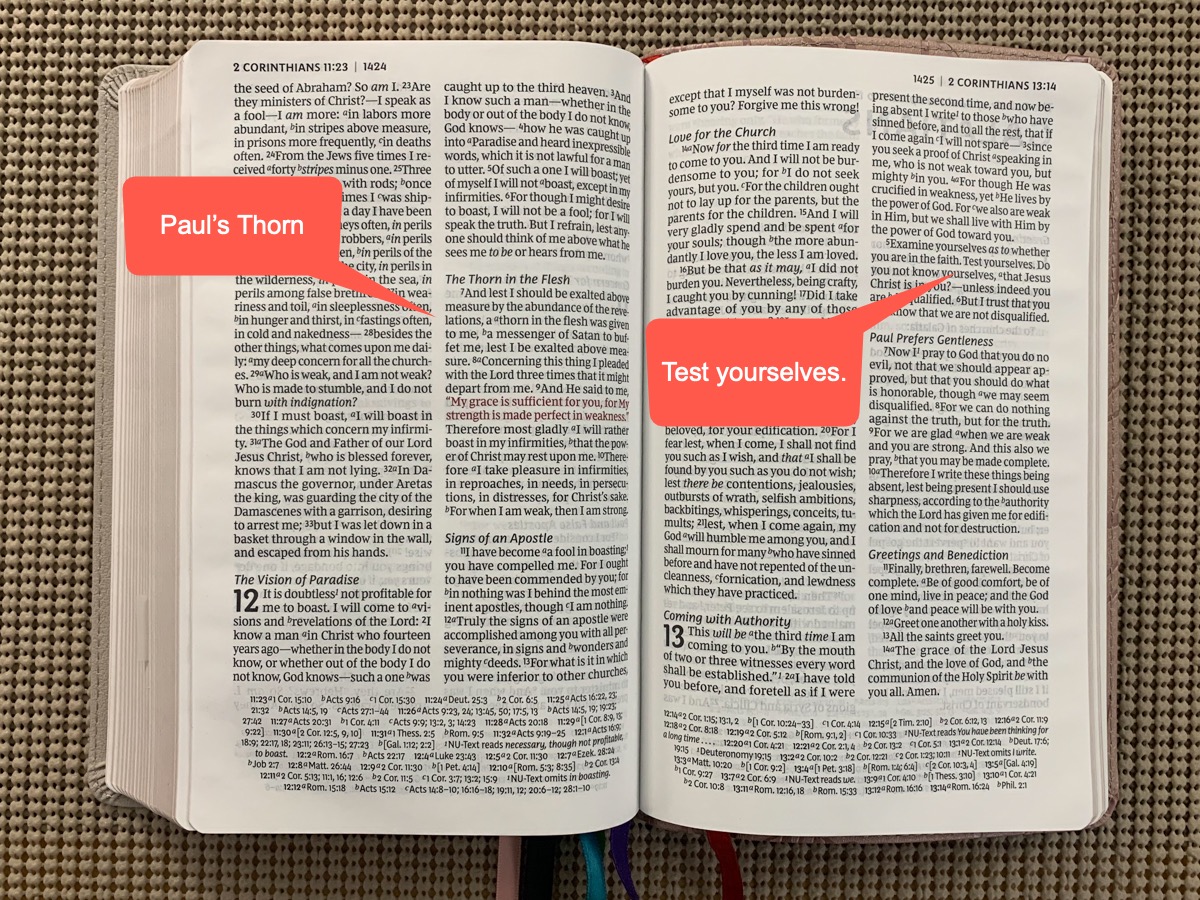
Have you ever wondered what is written on the last two pages of the Bible? In this fascinating blog post, we will explore the significance and meaning behind the final two pages of the most widely read book in the world. Understanding the content of these last pages can provide us with important insights into the culmination of biblical prophecy and the ultimate destiny of humanity.
Discovering the message contained on the final two pages of the Bible can offer us hope, inspiration, and guidance for our own lives. By delving into the symbolism and themes present in these closing passages, we can gain a deeper understanding of the overarching narrative of redemption and restoration that runs throughout the entire biblical text. Join us as we embark on a journey to uncover the profound truths waiting to be revealed on the last two pages of the Bible.
The Climactic Conclusion: Exploring the Final 2 Pages of the Bible
The Last 2 Pages of the Bible
As we reach the final two pages of the Bible, we find ourselves at the culmination of the divine narrative that has unfolded throughout its pages. These last verses encapsulate the ultimate victory of good over evil, the triumph of light over darkness, and the eternal reign of God’s kingdom.
On the penultimate page, we witness the final battle between the forces of righteousness and the powers of darkness. The armies of heaven, led by Jesus Christ, wage war against the beast and the false prophet, who are ultimately defeated and cast into the lake of fire. This momentous clash symbolizes the ultimate defeat of evil and the establishment of God’s eternal sovereignty over all creation.
As we turn to the last page of the Bible, we behold a vision of the new heaven and the new earth, where God dwells among his people and wipes away every tear from their eyes. There is no more death, mourning, crying, or pain, for the old order of things has passed away. In this new creation, the redeemed enjoy uninterrupted communion with God in a state of eternal joy and fulfillment.
The final verses of the Bible resound with the promise of Christ’s imminent return and the assurance of his eternal reign. He declares, “I am the Alpha and the Omega, the First and the Last, the Beginning and the End.” Those who thirst may come and drink freely from the spring of the water of life, and those who overcome will inherit all these things and be God’s children.
As we close the sacred text, we are left with a profound sense of awe and wonder at the majesty of God’s plan for redemption and the certainty of his victory over sin and death. The final pages of the Bible remind us of the unfailing love and unshakeable power of our Creator, who reigns forever and ever.
What are the last pages of the Bible?
The last pages of the Bible contain the final chapters of the book of Revelation. These chapters describe the new heaven and new earth, the holy city of Jerusalem coming down from heaven, and the final defeat of evil. In Revelation 22:13, Jesus declares, “I am the Alpha and the Omega, the First and the Last, the Beginning and the End.” The last page of the Bible ends with a powerful invitation and warning in Revelation 22:17, “The Spirit and the bride say, ‘Come!’ And let the one who hears say, ‘Come!’ Let the one who is thirsty come; and let the one who wishes take the free gift of the water of life.” These final pages express the ultimate victory of God and the promise of eternal life for those who believe in Him.
What are the 7 signs in Revelation?
In the book of Revelation, there are seven signs that are significant in understanding end-time events and the return of Jesus Christ. These signs are:
1. The Seven Churches: Representing the different types of churches and their spiritual conditions.
2. The Seven Seals: Each seal represents a different judgment or event leading up to the end times.
3. The Seven Trumpets: Each trumpet signifies a specific judgment upon the earth.
4. The Dragon and the Two Beasts: Symbolizing Satan, the antichrist, and the false prophet.
5. The Seven Bowls of God’s Wrath: Pouring out God’s final judgments on the earth.
6. The Fall of Babylon: The destruction of worldly powers opposed to God.
7. The New Heaven and New Earth: God’s ultimate restoration and renewal of all things.
These signs provide a symbolic framework for understanding the events leading up to the return of Jesus Christ and the establishment of His kingdom.
What are the last two verses of the Bible?
The last two verses of the Bible are as follows:
“He who testifies to these things says, ‘Yes, I am coming soon.’ Amen. Come, Lord Jesus.
The grace of the Lord Jesus be with God’s people. Amen.” (Revelation 22:20-21)
Why were the 14 books removed from the Bible?
The 14 books that were removed from the Bible are known as the Apocrypha or Deuterocanonical books. These books were included in the Greek Septuagint translation of the Hebrew Bible but were not universally accepted by all Jewish groups. The Protestant Reformation in the 16th century played a major role in the removal of these books from the Protestant Bible, as Protestant reformers viewed them as non-canonical and lacking authoritative status. The Roman Catholic Church, however, considers these books as part of the Bible. Ultimately, the decision to remove these books was based on differing theological beliefs and traditions within Christian communities.