
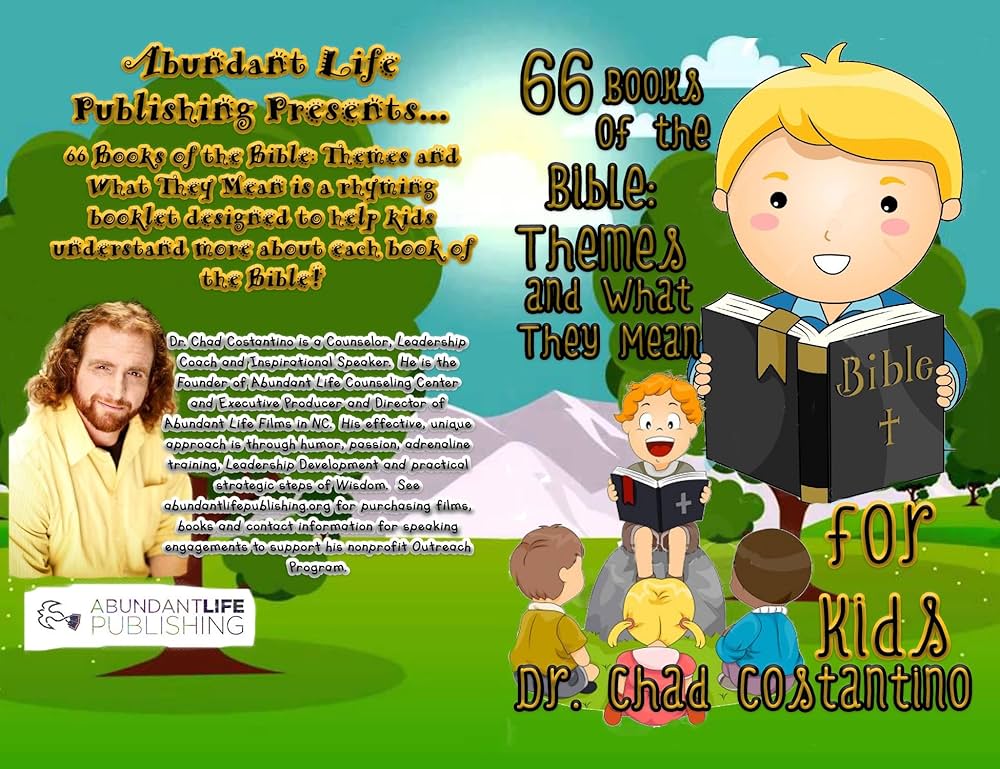
Have you ever wondered about the underlying themes that tie each book of the Bible together? Exploring the themes of the various books can not only deepen your understanding of the scriptures but also provide valuable insights into the overarching message of the Bible. In this blog post, we will delve into the unique themes of each book of the Bible, uncovering the rich tapestry of wisdom, guidance, and inspiration that the scriptures offer.
By gaining a deeper insight into the themes of each book of the Bible, you will be able to make meaningful connections between different parts of the scriptures, enhancing your overall comprehension and appreciation of God’s word. Understanding the central themes of the Bible can also help you apply the teachings and lessons to your own life, guiding you in your faith journey and strengthening your relationship with God. Join us on this exploration of the themes of each book of the Bible, and discover the profound significance and relevance of these ancient texts for our lives today.
Exploring the Key Themes in Every Book of the Bible
Genesis: Genesis lays the foundation of themes that run throughout the Bible, such as creation, sin, and redemption. It explores the origins of the world, humanity, and God’s covenant with His people.
Exodus: Exodus focuses on themes of liberation, deliverance, and the establishment of the Mosaic Law. The Israelites’ journey out of Egypt and their covenant relationship with God are central to this book.
Leviticus: Leviticus delves into themes of holiness, purity, and sacrifice. It outlines the laws and rituals for worship and ethical living, emphasizing the need for a consecrated life before God.
Numbers: Numbers continues the theme of the Israelites’ journey towards the Promised Land, highlighting faithfulness, rebellion, and divine guidance. It also emphasizes the importance of obedience and trust in God’s direction.
Deuteronomy: Deuteronomy serves as a reminder of God’s faithfulness and the importance of obedience to His commands. It underscores the theme of covenant renewal and the blessings of following God wholeheartedly.
Joshua: Joshua showcases themes of conquest, leadership, and God’s faithfulness in fulfilling His promises. It highlights the significance of courage, obedience, and reliance on God in times of uncertainty.
Judges: Judges portrays a cycle of sin, judgment, repentance, and deliverance among the Israelites. It emphasizes the consequences of disobedience and the need for righteous leadership.
Ruth: Ruth exemplifies themes of loyalty, faithfulness, and redemption. It illustrates God’s providence and care for His people, showcasing how He works through ordinary individuals to accomplish His purposes.
1 Samuel: 1 Samuel explores themes of leadership, obedience, and the sovereignty of God. It narrates the transition from judges to kings in Israel, highlighting the qualities of a godly ruler.
2 Samuel: 2 Samuel continues the theme of kingship, focusing on David’s reign and the establishment of the Davidic covenant. It illustrates the complexities of power, sin, and repentance.
1 Kings: 1 Kings delves into themes of monarchy, idolatry, and faithfulness. It chronicles the divided kingdom of Israel and Judah, emphasizing the importance of loyalty to God alone.
2 Kings: 2 Kings continues the narrative of the divided kingdom, highlighting the consequences of apostasy and disobedience. It underscores the role of prophets in calling the people back to God.
1 Chronicles: 1 Chronicles emphasizes themes of worship, genealogy, and the reign of David. It retells Israel’s history from a priestly perspective, focusing on the importance of honoring God in all aspects of life.
2 Chronicles: 2 Chronicles continues the narrative of Israel’s history, emphasizing the reigns of the kings and the significance of temple worship. It underscores the consequences of unfaithfulness and the blessings of obedience to God.
Ezra: Ezra focuses on themes of restoration, repentance, and the rebuilding of the temple. It highlights the importance of returning to God’s Law and renewing the covenant relationship.
Nehemiah: Nehemiah showcases themes of leadership, perseverance, and community rebuilding. It narrates the efforts to restore Jerusalem’s walls and the people’s commitment to following God’s commands.
Esther: Esther exemplifies themes of providence, courage, and faith in difficult circumstances. It showcases how God works behind the scenes to deliver His people from danger.
Job: Job explores themes of suffering, faith, and divine sovereignty. It delves into the question of why the righteous suffer and emphasizes the importance of trusting in God’s wisdom.
Psalms: Psalms is a collection of songs and prayers that express themes of praise, lament, thanksgiving, and trust in God. It provides a rich tapestry of emotions and experiences in relationship with the Creator.
Proverbs: Proverbs focuses on themes of wisdom, righteousness, and the fear of the Lord. It offers practical guidance for living a godly life and making wise choices in various situations.
Ecclesiastes: Ecclesiastes grapples with themes of meaninglessness, mortality, and the pursuit of wisdom. It reflects on the fleeting nature of life and the ultimate satisfaction found in fearing God.
Song of Solomon: Song of Solomon celebrates themes of love, intimacy, and the beauty of human relationships. It uses poetic language to illustrate the depth of love between a bride and groom.
Isaiah: Isaiah delves into themes of prophecy, judgment, and redemption. It prophesies about the coming Messiah and the restoration of Israel, emphasizing the hope found in God’s promises.
Jeremiah: Jeremiah focuses on themes of judgment, repentance, and God’s faithfulness. It warns of the consequences of sin and calls the people to return to the Lord with genuine hearts.
Lamentations: Lamentations expresses themes of grief, mourning, and hope in the midst of suffering. It laments the destruction of Jerusalem while clinging to the belief in God’s steadfast love.
Ezekiel: Ezekiel explores themes of prophecy, exile, and restoration. It uses vivid imagery to convey God’s judgment on sin and His promise of renewal for His people.
Daniel: Daniel showcases themes of faithfulness, prophecy, and God’s sovereignty. It narrates the experiences of Daniel and his friends in exile, highlighting their unwavering devotion to God.
Hosea: Hosea portrays themes of love, infidelity, and restoration. It uses the metaphor of marriage to illustrate God’s relationship with His unfaithful people and His unwavering love for them.
Joel: Joel focuses on themes of judgment, repentance, and restoration. It calls the people to turn back to God with sincerity and promises His restoration and blessings.
Amos: Amos delves into themes of social justice, judgment, and the consequences of sin. It challenges the people to seek righteousness and care for the marginalized in society.
Obadiah: Obadiah pronounces judgment on Edom for its pride and violence against Israel. It emphasizes the theme of divine retribution and God’s justice towards the nations.
Jonah: Jonah explores themes of obedience, repentance, and God’s compassion. It narrates Jonah’s reluctant mission to Nineveh and God’s mercy towards a repentant city.
Micah: Micah focuses on themes of justice, humility, and the coming of the Messiah. It calls for societal transformation and moral renewal, highlighting God’s standards of righteousness.
Nahum: Nahum pronounces judgment on Assyria for its cruelty and arrogance. It underscores the theme of God’s justice and the eventual downfall of oppressive powers.
Habakkuk: Habakkuk grapples with themes of faith, doubt, and God’s sovereignty. It questions the apparent silence of God in the face of injustice
What are the themes of the books of the Bible?
The books of the Bible cover a wide range of themes that are central to the Christian faith. Some of the key themes include God’s sovereignty and faithfulness, salvation and redemption through Jesus Christ, the importance of faith and obedience, God’s love and mercy towards humanity, the concept of sin and the need for repentance, hope and perseverance in times of trials, the power of prayer and worship, the establishment of God’s kingdom, the role of the Holy Spirit in guiding and empowering believers, the importance of loving others and living a righteous life, and the promise of eternal life for those who believe. These themes are woven throughout the various books of the Bible, providing guidance, encouragement, and inspiration for believers.
What are key themes of each of the gospels?
Sure! Here are the key themes of each of the four gospels in the Bible:
1. Matthew: One of the key themes of the Gospel of Matthew is the fulfillment of Old Testament prophecies through Jesus Christ. This gospel also emphasizes Jesus as the Messiah and King who came to establish the Kingdom of God on earth.
2. Mark: The Gospel of Mark focuses on the servant aspect of Jesus, portraying Him as a suffering servant who came to serve and give His life as a ransom for many. This gospel also emphasizes the power and authority of Jesus, as seen through His miracles.
3. Luke: In the Gospel of Luke, one of the key themes is compassion and inclusivity. Luke highlights Jesus’ concern for the marginalized and outcasts of society, as well as His ministry to the poor and sinners. This gospel also emphasizes the universal salvation that Jesus brings to all people.
4. John: The Gospel of John emphasizes the divinity of Jesus Christ. It portrays Jesus as the Word who was with God from the beginning and became flesh to dwell among us. John also focuses on the theme of belief and eternal life, inviting readers to believe in Jesus as the Son of God and receive eternal life through Him.
These key themes help to shape the distinctive portrait of Jesus presented in each of the four gospels.
What are the different Bible themes?
In the Bible, there are several themes that run throughout its texts. Some of the key themes include:
1. Redemption: The concept of redemption is central to the Bible, highlighting the idea of salvation and deliverance through faith in God.
2. Love and Compassion: The Bible emphasizes the importance of love and compassion, both towards God and one another.
3. Sacrifice: Sacrifice is a recurring theme in the Bible, exemplified by Jesus’ sacrifice on the cross for the forgiveness of sins.
4. Justice and Righteousness: The Bible frequently addresses the concepts of justice and righteousness, emphasizing the importance of living a moral and upright life.
5. Faith: Faith in God is a foundational theme in the Bible, with numerous examples of individuals exhibiting unwavering trust in God’s promises.
6. Forgiveness: The Bible teaches the importance of forgiveness, both seeking forgiveness from God and extending it to others.
7. Creation and Redemption: The Bible narrates the story of creation and redemption, showing how God created the world and continues to work towards its restoration.
These themes weave together to form a cohesive narrative throughout the Bible, providing guidance and wisdom for believers.
What are the main themes of the story of the Bible?
The main themes of the Bible include creation, fall, redemption, and restoration. These themes are woven throughout the various books of the Bible and provide a framework for understanding the overarching narrative of God’s plan for humanity. Creation highlights God as the creator of the universe and all living things. The fall refers to humanity’s disobedience and separation from God due to sin. Redemption focuses on God’s plan to save humanity through Jesus Christ, providing forgiveness and reconciliation. Finally, restoration looks forward to the ultimate renewal of all things in God’s kingdom. These themes provide a powerful message of hope, love, and salvation throughout the Bible.