
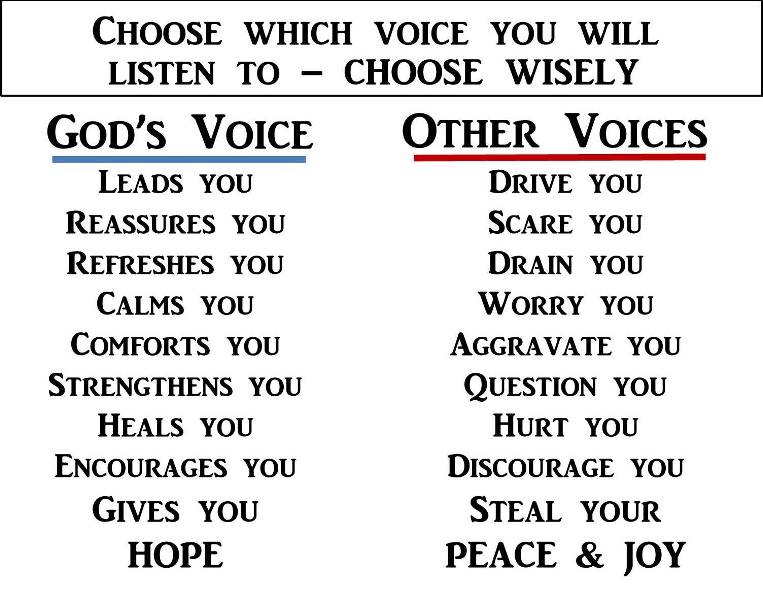
Have you ever wondered about the different types of voices that can be found in the Bible? From the powerful declarations of prophets to the intimate prayers of the psalmists, the Bible is filled with a rich tapestry of voices that convey timeless truths and wisdom. Exploring these diverse voices can deepen our understanding of the biblical text and help us connect more deeply with its message.
In this blog post, we will delve into the various types of voices that can be found in the Bible, from the poetic laments of Job to the prophetic pronouncements of Isaiah. By recognizing and analyzing these distinct voices, we can gain new insights into the stories and teachings of the Bible, enriching our spiritual journey and enhancing our appreciation for the depth and complexity of God’s word. Join us as we explore the fascinating array of voices that resonate throughout the pages of the Bible, illuminating its message in fresh and enlightening ways.
Exploring the Diverse Voices Found in the Bible
In the Bible, we encounter a variety of voices that convey different messages, emotions, and themes. These voices serve to bring the texts to life, offering diverse perspectives and insights into the human experience and relationship with God. Understanding the types of voices found in the Bible can deepen our appreciation for the richness and complexity of its teachings.
1. Narrative Voice: The narrative voice in the Bible serves as the overarching storyteller that guides readers through the various accounts and events recorded in the scriptures. This voice provides context, background information, and helps connect the different stories and characters within the text.
2. Prophetic Voice: The prophetic voice in the Bible is characterized by its call to repentance, social justice, and righteousness. Prophets often spoke on behalf of God, delivering messages of warning, rebuke, or hope to the people of Israel. Their voices were instrumental in shaping the moral and ethical guidelines of the community.
3. Poetic Voice: The poetic voice in the Bible is expressed through the Psalms, Song of Solomon, and other lyrical passages. Poetry in the Bible conveys emotions, praises, laments, and expressions of faith in a beautifully crafted form. These voices offer a unique perspective on human relationships with God and each other.
4. Wisdom Voice: The wisdom literature in the Bible, including books like Proverbs, Ecclesiastes, and Job, offers practical advice, reflections on the nature of existence, and insights into the mysteries of life. The voices in these texts provide guidance on how to live a righteous and fulfilling life according to divine principles.
5. Epistolary Voice: The epistles, or letters, in the New Testament are written by apostles such as Paul, Peter, and John to the early Christian communities. These voices address theological concerns, offer pastoral guidance, and encourage believers to remain steadfast in their faith amidst challenges and persecution.
6. Historical Voice: The historical voice in the Bible records the events, genealogies, and narratives of the people of Israel and the early Christian church. This voice provides a chronological account of God’s interactions with humanity, highlighting key moments of redemption, covenant, and salvation.
By recognizing and engaging with the diverse voices present in the Bible, readers can gain a deeper understanding of its messages, themes, and theological teachings. Each voice contributes uniquely to the overarching narrative of God’s love, grace, and redemption for humanity throughout history.
What are the 7 voices in the Bible?
In the context of the Bible, the seven voices refer to different literary styles or genres found throughout the scriptures. These voices include narrative, poetry, prophetic, wisdom, epistle, apocalyptic, and law. Each voice contributes unique perspectives and themes to the overall message of the Bible.
What are the voices in the Bible?
In the context of the Bible, the term “voices” can refer to various aspects.
1. God’s Voice: Throughout the Bible, there are instances where God speaks directly to individuals or through prophets, conveying His will, guidance, and teachings. For example, in the Old Testament, God spoke to Moses through the burning bush (Exodus 3:4), and in the New Testament, God’s voice is heard at Jesus’ baptism (Matthew 3:17).
2. Human Voices: The Bible also contains the voices of various individuals, such as prophets, kings, apostles, and ordinary people, who share their experiences, prayers, praises, and messages inspired by God.
3. Spiritual Voices: In some cases, the Bible mentions angelic voices or spiritual beings communicating with humans. For instance, angels deliver messages to Mary about the birth of Jesus (Luke 1:26-38) and announce His resurrection to the women at the tomb (Matthew 28:5-7).
4. Narrative Voices: The Bible includes different narrators or voices that guide the reader through the stories and teachings found within its pages. These narrative voices provide context, explanations, and interpretations of events.
Overall, the diverse voices in the Bible collectively convey God’s message, human experiences, spiritual insights, and the overarching story of redemption for humanity.
What are the 4 voices of God?
In the context of the Bible, the four voices of God are typically identified as:
1. The voice of Creation: This refers to how God speaks through the natural world and its beauty and majesty, as described in Psalm 19:1-4.
2. The voice of Scripture: This is how God communicates through the written Word, the Bible, which is considered to be inspired by God and authoritative for Christian belief and practice (2 Timothy 3:16-17).
3. The voice of Conscience: This is the inner sense of right and wrong that God has placed within each person, guiding them to make moral choices in line with God’s will (Romans 2:14-15).
4. The voice of Community: This refers to how God speaks through the Christian Church and its members, as they come together to worship, learn, and support one another in faith (1 Corinthians 12:12-27).
These four voices are believed to represent different ways in which God communicates with individuals and humanity as a whole.
What are the different spiritual voices?
In the context of the Bible, there are various spiritual voices that convey different messages or teachings. These spiritual voices can include God, Jesus Christ, the Holy Spirit, angels, prophets, and the disciples. Each of these voices plays a unique role in communicating divine truths, guidance, and instructions to humanity throughout the Biblical narrative. It is important for believers to discern and understand these spiritual voices in order to grow in their faith and relationship with God.