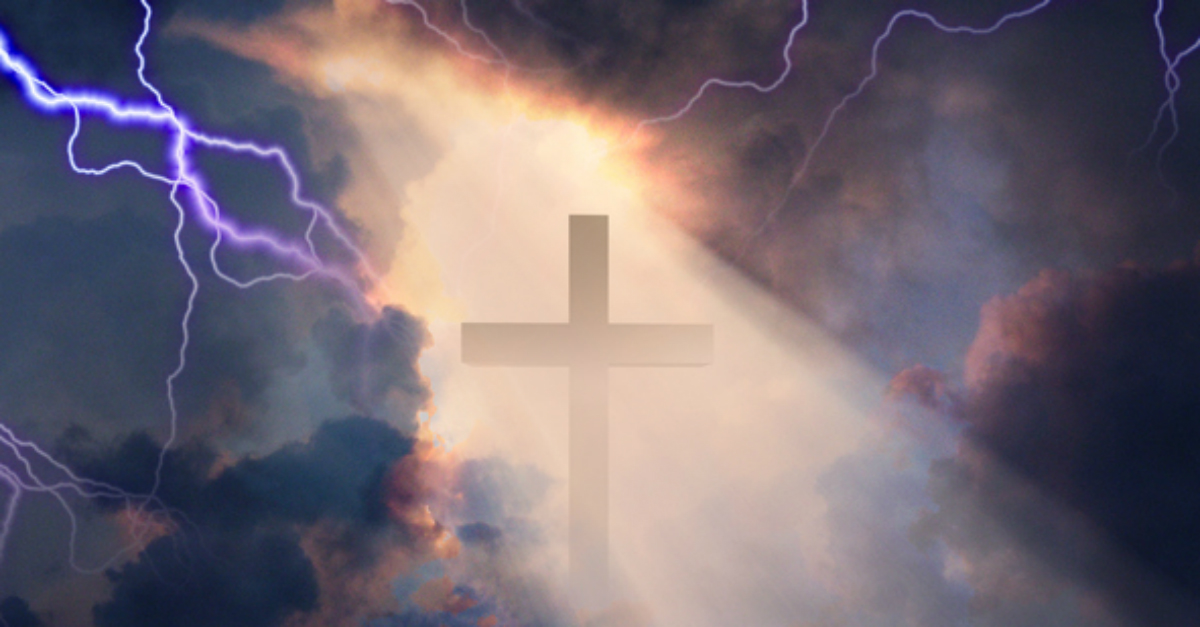
Have you ever wondered what the storms mentioned in the Bible symbolize? Understanding the symbolism behind these natural phenomena can provide us with valuable insight into the spiritual lessons and messages conveyed in the scriptures. In this blog post, we will explore the significance of storms in the Bible and how they can deepen our understanding of faith, perseverance, and trust in God’s providence.
Throughout the Bible, storms are often used as powerful symbols of trials, challenges, or times of upheaval in one’s life. Just as a physical storm can test our strength and resilience, spiritual storms can test our faith and character. By examining the stories of storms in the Bible, we can learn how to navigate through difficult times with faith and courage, knowing that God is always with us, steering us towards calmer waters. Join us on this journey of exploration as we uncover the profound symbolism of storms in the Bible and discover the timeless wisdom they offer for our lives today.
In the Bible, storms are often used as powerful symbols with deep spiritual meanings. Throughout the Scriptures, storms are depicted in various contexts, each carrying its own significance and message. Let’s explore some of the key symbolisms of storms in the Bible.
Judgment and Wrath of God: One of the most common representations of storms in the Bible is as a manifestation of God’s judgment and wrath. In the Old Testament, storms frequently accompany divine acts of judgment upon sinful nations or individuals. For example, the Great Flood in the time of Noah was brought about by a massive storm as a punishment for the wickedness of humanity.
Spiritual Warfare and Opposition: Storms in the Bible can also symbolize spiritual warfare and opposition from dark forces. In the New Testament, we see Jesus calming a storm on the Sea of Galilee, demonstrating his power over the natural elements as well as spiritual forces of evil. This story highlights the ongoing battle between good and evil, with storms representing the challenges and trials believers may face in their faith journey.
Testing and Refinement: Another symbolic meaning of storms in the Bible is as a means of testing and refinement. Just as gold is refined in fire, believers are often refined through trials and hardships, represented metaphorically by storms. These storms serve to strengthen one’s faith, character, and reliance on God, leading to spiritual growth and maturity.
Protection and Deliverance: Despite the destructive power of storms, they can also symbolize God’s protection and deliverance. In several biblical accounts, God uses storms to rescue his people from danger or oppression, such as the parting of the Red Sea to save the Israelites from the pursuing Egyptian army. These instances demonstrate God’s sovereignty over creation and his commitment to safeguarding his faithful followers.
Renewal and Restoration: Lastly, storms in the Bible can symbolize renewal and restoration. Just as a storm cleanses the earth and ushers in a fresh start, God’s transformative power can bring about spiritual renewal and restoration in the lives of believers. Through the storms of life, God can work to purify, refine, and ultimately bring about a new beginning filled with hope and promise.
In conclusion, the symbolism of storms in the Bible is multi-faceted and rich in meaning. From representing divine judgment and spiritual warfare to testing, protection, and renewal, storms serve as powerful metaphors for various aspects of the Christian faith journey. As believers navigate the storms of life, they can find solace in knowing that God is sovereign over all creation and works all things together for the good of those who love him.
What is the biblical meaning of a storm?
In the Bible, a storm is often used as a symbol of God’s power and sovereignty. It can represent divine judgment, cleansing, or testing of faith. Storms are also sometimes used to demonstrate God’s control over nature and as a reminder of our need for dependence on Him. Overall, storms in the Bible serve as powerful metaphors for various aspects of God’s character and relationship with His people.
What does the Bible say about the storms?
In the Bible, storms are often used metaphorically to represent times of difficulty, challenges, or chaos in life. One well-known passage about storms is found in Matthew 8:23-27, where Jesus calms a storm while he and his disciples are crossing the Sea of Galilee. This story demonstrates Jesus’ power over nature and encourages faith in the midst of turmoil.
Another significant mention of storms is in Psalm 107:28-29, which describes sailors encountering a storm at sea. The psalmist acknowledges that people may face tumultuous times, but God can still bring calm and safety amidst the chaos.
Overall, the Bible portrays storms as temporary challenges that test one’s faith and trust in God’s sovereignty and protection. While storms may be frightening and overwhelming, believers are encouraged to seek refuge in God’s strength and peace during turbulent times.
What is the spiritual meaning of storm?
In the context of the Bible, storms often symbolize trials, challenges, and turmoil that individuals or communities may face. They can represent times of testing, purification, and growth in one’s faith. Just as Jesus calmed the storm in the Gospels, storms can also remind believers of the power and sovereignty of God over all creation. Additionally, storms can serve as a metaphor for the struggles of life and the need for trust and reliance on God’s strength to weather difficult situations. Overall, storms in the Bible can carry a spiritual message of endurance, faith, and hope amidst adversity.
Why does God use storms to teach us lessons?
God uses storms to teach us lessons in the Bible as a way to demonstrate His power, sovereignty, and authority over all creation. The imagery of storms often signifies chaos, destruction, and uncertainty, which can serve as powerful metaphors for the challenges and trials we face in life. Through these storms, God can reveal Himself to us in a profound way, showing His faithfulness, protection, and provision even in the midst of adversity.
Additionally, storms can serve as a means of discipline and correction from God. Just as a physical storm can shake and disrupt our surroundings, spiritual storms can shake and disrupt our lives, revealing areas of sin, weakness, or disobedience that need to be addressed. In these moments, God may be using the storm to draw us back to Himself, to refine our character, and to deepen our trust in Him.
Ultimately, God’s use of storms as a teaching tool is a reminder of His ultimate control and authority over all aspects of our lives. While storms may be challenging and unsettling, they can also be opportunities for growth, transformation, and ultimately drawing closer to God.