
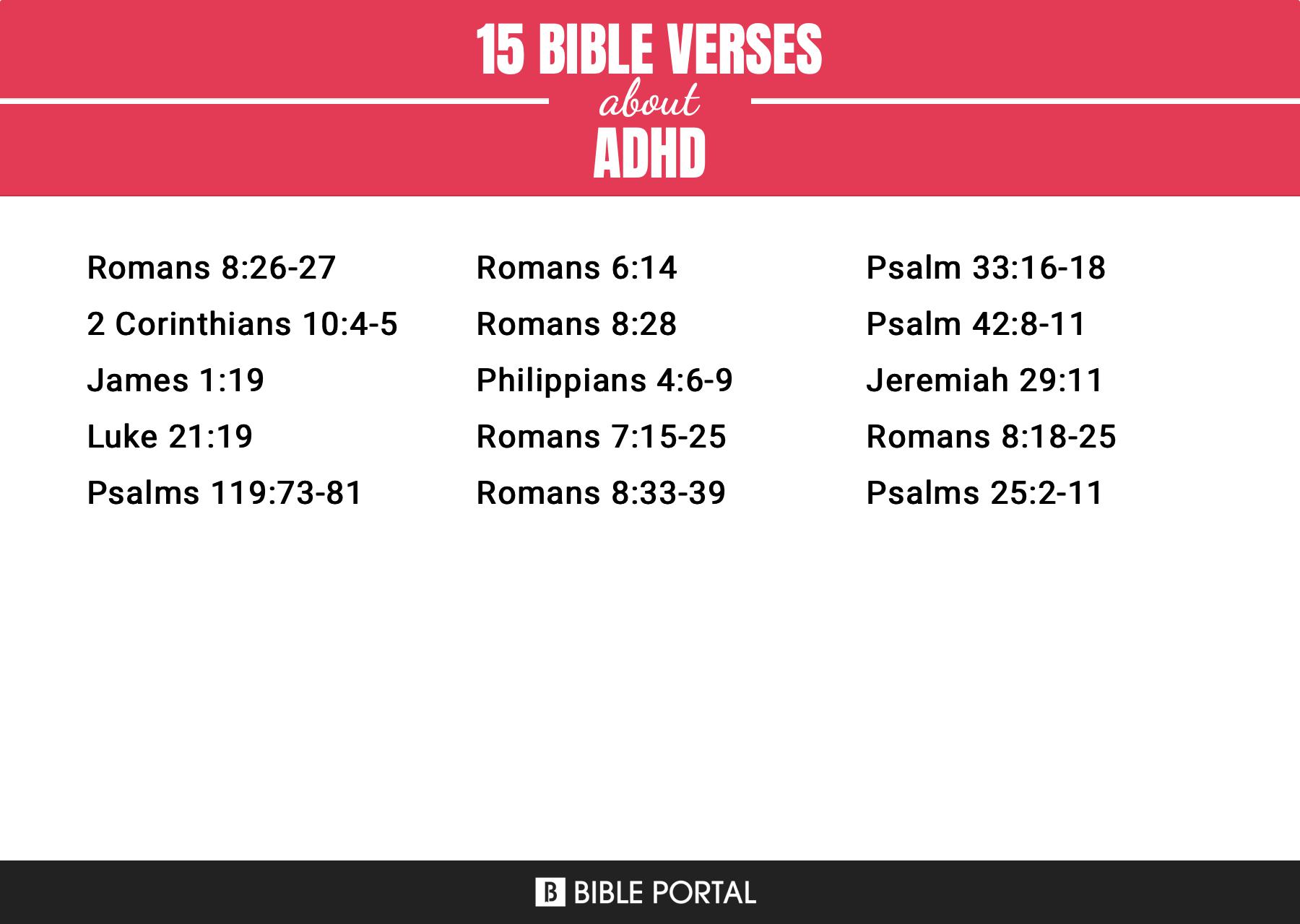
Have you ever wondered what the Bible has to say about ADHD? In a world where attention deficit hyperactivity disorder is becoming more prevalent, it’s important to explore what guidance and wisdom the Scriptures offer on this topic. While ADHD can present challenges, the Bible provides comfort, encouragement, and practical advice for individuals and families navigating this condition.
In this blog post, we will delve into the pages of the Bible to uncover insights and perspectives on ADHD. By understanding what the Bible says about this neurological condition, we can gain a deeper understanding of ourselves, our loved ones, and how we can support those affected by ADHD in a compassionate and informed manner. Join us on this journey of discovery and reflection as we seek biblical wisdom on ADHD and its impact on individuals and communities.
Understanding ADHD Through the Lens of the Bible: Insights and Perspectives
Attention deficit hyperactivity disorder (ADHD) is a neurodevelopmental disorder characterized by symptoms such as inattention, impulsivity, and hyperactivity. It is a condition that can impact individuals of all ages, including children and adults. Given the prevalence of ADHD in society, many people may wonder what the Bible says about this disorder.
While the Bible does not explicitly mention ADHD, it does provide guidance and wisdom that can be applied to understanding and coping with the challenges associated with the condition. Here are some key principles from the Bible that may offer insight and comfort to those affected by ADHD:
1. God’s Unconditional Love: The Bible teaches that God loves each person unconditionally, regardless of their struggles or imperfections. In Romans 5:8, it says, “But God demonstrates his own love for us in this: While we were still sinners, Christ died for us.” This reassures individuals with ADHD that they are valued and loved by God, just as they are.
2. Strength in Weakness: In 2 Corinthians 12:9, it is written, “But he said to me, ‘My grace is sufficient for you, for my power is made perfect in weakness.’ Therefore I will boast all the more gladly about my weaknesses, so that Christ’s power may rest on me.” This passage reminds us that God’s strength is revealed in our weaknesses, offering hope and encouragement to those grappling with the challenges of ADHD.
3. Patience and Understanding: Ephesians 4:2 urges believers to “Be completely humble and gentle; be patient, bearing with one another in love.” This message serves as a reminder to show patience and understanding towards individuals with ADHD, recognizing that everyone has unique struggles and needs.
4. Seeking Guidance and Support: Proverbs 15:22 states, “Plans fail for lack of counsel, but with many advisers, they succeed.” This verse highlights the importance of seeking guidance and support when facing difficulties, including those related to ADHD. Consulting with healthcare professionals, therapists, and support groups can help individuals navigate the challenges of ADHD and develop effective coping strategies.
5. Mindfulness and Focus: Philippians 4:8 encourages believers to “Finally, brothers and sisters, whatever is true, whatever is noble, whatever is right, whatever is pure, whatever is lovely, whatever is admirable—if anything is excellent or praiseworthy—think about such things.” Practicing mindfulness and focusing on positive thoughts can be beneficial for individuals with ADHD in managing their symptoms and improving their overall well-being.
In conclusion, while the Bible may not directly address ADHD, its teachings offer valuable insights and principles that can provide comfort, guidance, and encouragement to individuals affected by the disorder. By reflecting on God’s love, finding strength in weakness, showing patience and understanding, seeking support, and practicing mindfulness, individuals with ADHD can navigate their challenges with faith and resilience.
Who in the Bible had ADHD?
ADHD (Attention Deficit Hyperactivity Disorder) is a medical condition that affects a person’s ability to focus, pay attention, and control impulsive behaviors. There is no direct mention of ADHD in the Bible as it is a modern medical diagnosis. However, some scholars have speculated that certain biblical figures may have exhibited behaviors that could be interpreted as symptoms of ADHD.
One figure often cited in this context is Samson. In the book of Judges, Samson displays impulsive behavior, difficulty controlling his emotions, and a tendency towards risk-taking activities. These characteristics have led some to suggest that he may have had traits commonly associated with ADHD.
It’s important to note that interpreting biblical figures through a modern medical lens like ADHD is speculative and should be approached with caution. Biblical texts provide stories of individuals with complex personalities and behaviors that are open to various interpretations.
Why having ADHD is a blessing?
Having ADHD can be seen as a blessing in the context of Bible for several reasons.
1. Creativity: Individuals with ADHD often have a unique and creative way of thinking. This can be seen as a gift from God, allowing them to see the world in a different light and come up with innovative ideas.
2. Empathy: People with ADHD may be more empathetic towards others, having experienced struggles themselves. This can align with the biblical teachings of compassion and understanding towards one another.
3. Resilience: Dealing with the challenges of ADHD can build resilience and strength in individuals. This can be compared to the biblical theme of perseverance and overcoming obstacles with faith and trust in God.
4. Unique perspective: Those with ADHD may offer a different perspective on spiritual matters, seeing connections and insights that others may overlook. This can enrich discussions and deepen understanding of Bible teachings.
Overall, while ADHD may bring its own set of challenges, it can also be viewed as a blessing when considering the unique strengths and perspectives it can offer in the context of Bible teachings.
What is the 24 hour rule for ADHD?
The 24-hour rule in ADHD can be understood as the principle of practicing patience and avoiding impulsive reactions. In the context of Bible teachings, this rule aligns with the biblical wisdom of being slow to anger, quick to listen, and exercising self-control. It encourages individuals, especially those with ADHD, to pause and reflect for a full day before responding or making decisions, allowing time for prayer, seeking guidance, and considering the consequences of their actions. This approach can help prevent hasty choices and promote Godly behavior in line with Biblical principles.
How to focus on God with ADHD?
Focusing on God with ADHD can be challenging, but it is definitely possible with the right strategies. Here are some tips to help you stay connected to God and His Word:
1. Set a routine: Establishing a consistent routine for your Bible reading and prayer time can help you stay more focused. Try to set aside a specific time each day to spend with God.
2. Use visual aids: Utilize visual aids such as colorful bookmarks, highlighters, or Bible journaling to help keep your attention engaged during your study time.
3. Break it down: Instead of trying to read long passages at once, break them down into smaller sections. This can make it easier for you to digest and retain the information.
4. Incorporate movement: If sitting still is difficult for you, consider incorporating movement into your devotional time. You could walk while listening to an audio Bible, or even try incorporating gentle stretches or doodling while you meditate on Scripture.
5. Pray for focus: Ask God to help you stay focused and attentive during your time with Him. He understands your struggles and is always ready to assist you in drawing near to Him.
Remember, God sees your heart and knows your efforts. Even if you struggle with distractions, He appreciates your desire to seek Him. Trust in His grace and keep pressing on in your journey of faith.