
Have you ever wondered what the Bible says about men with long hair? In this blog post, we will delve into the Scriptures to explore this fascinating topic and gain insights into the significance of hair length for men in biblical times. Understanding what the Bible teaches on this subject can provide us with valuable insights into cultural norms, gender roles, and spiritual principles that are relevant even in today’s society.
Exploring the biblical perspective on men with long hair can offer us a deeper understanding of the importance of personal grooming, self-expression, and obedience to God’s word. By examining key passages and stories in the Bible, we can uncover timeless truths that shed light on how we present ourselves to the world and the significance of honoring traditional practices while embracing personal identity. Join us on this enlightening journey through Scripture as we uncover the wisdom and guidance it offers on the topic of men with long hair.
The Biblical Perspective on Men’s Long Hair: Understanding the Scriptural Guidance
What Does the Bible Say About Men With Long Hair
Long hair on men is a topic that has been debated throughout history, often with religious undertones. In the context of the Bible, there are a few specific references that address the issue of men with long hair.
Samson
One of the most well-known figures in the Bible with long hair is Samson. In the book of Judges, Samson’s strength was attributed to his uncut hair, symbolizing his commitment to God and his Nazirite vow.
Corinthians
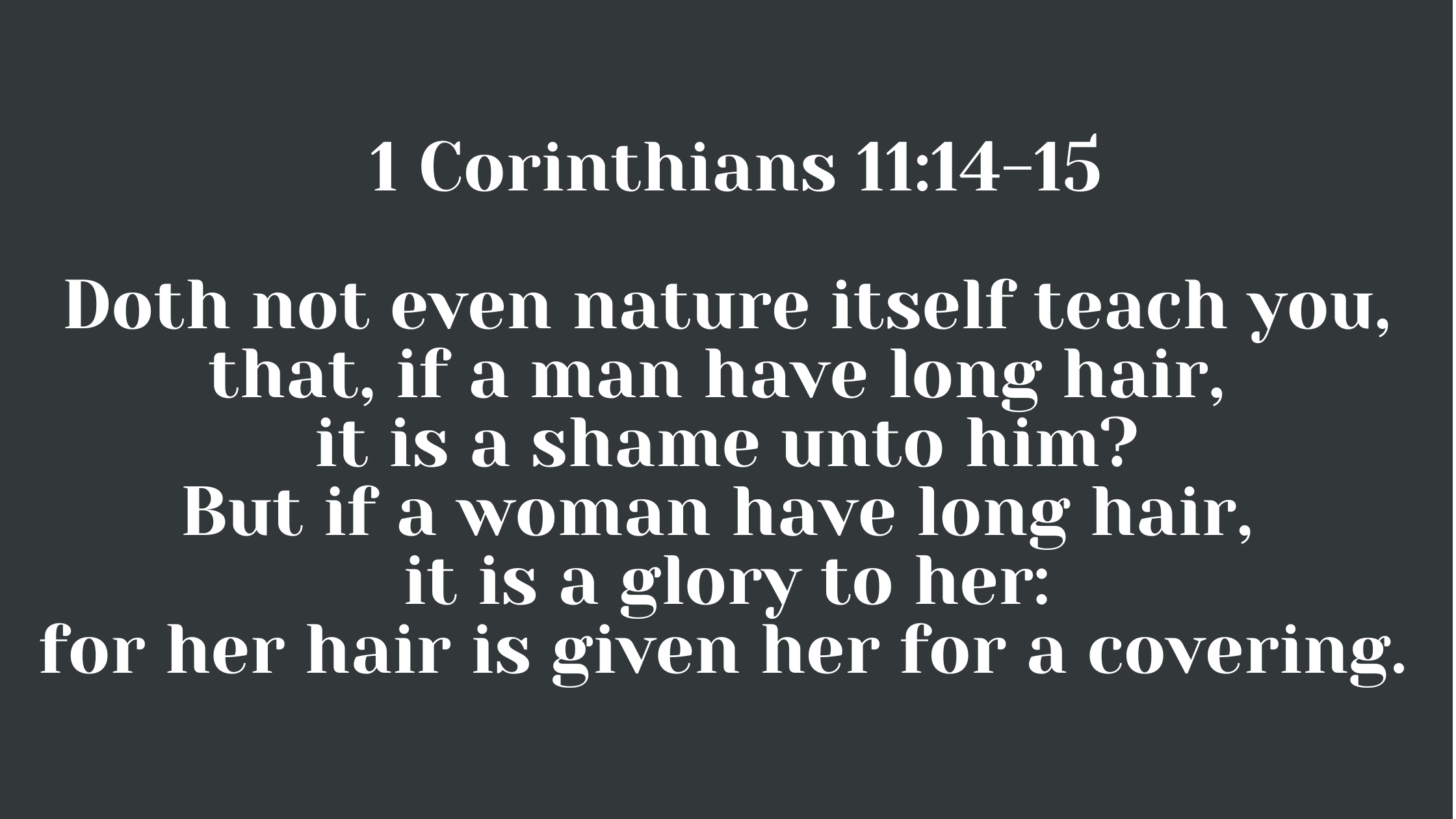
In the New Testament, the Apostle Paul addresses the issue of hair length in his first letter to the Corinthians. He writes, “Does not even nature itself teach you that if a man has long hair, it is a dishonor to him?” (1 Corinthians 11:14). This verse is often cited as a prohibition against men having long hair.
Nazirite Vow
Another reference to long hair in the Bible is related to the Nazirite vow. In Numbers 6:5, it states, “All the days of his vow of separation, no razor shall touch his head.” This indicates that for those under a Nazirite vow, long hair was a sign of dedication and commitment to God.
Cultural Context
It’s important to consider the cultural context in which these verses were written. In biblical times, certain hairstyles were associated with specific roles or beliefs. The prohibition against men having long hair may have been a cultural norm rather than a universal divine command.
Personal Conviction
Ultimately, the issue of men with long hair is a matter of personal conviction and interpretation of scripture. Some Christians may choose to adhere to cultural norms regarding hair length, while others may prioritize the principles of love, grace, and spiritual authenticity.
Conclusion
While the Bible does contain references to men with long hair, the interpretation of these verses can vary among individuals and communities. It’s essential to approach this topic with an understanding of historical context and cultural significance.
Should men have long hair according to the Bible?
In the Bible, there are a few passages that mention hair length in relation to gender. One well-known verse is found in 1 Corinthians 11:14-15, which says: “Does not the very nature of things teach you that if a man has long hair, it is a disgrace to him, but that if a woman has long hair, it is her glory? For long hair is given to her as a covering.”
Based on this passage, some interpret it to mean that men should not have long hair, while women can have long hair as a sign of glory. However, it’s important to note that interpretations of this passage can vary among different Christian denominations and scholars.
Ultimately, whether or not men should have long hair according to the Bible is a matter of interpretation and personal conviction.
Should men cut their hair according to the Bible?
In the Bible, there are specific guidelines regarding men’s hair. In 1 Corinthians 11:14-15, it states: “Does not the very nature of things teach you that if a man has long hair, it is a disgrace to him, but that if a woman has long hair, it is her glory? For long hair is given to her as a covering.” This scripture suggests that men should keep their hair short while women can have longer hair.
However, it is essential to note that cultural and societal norms have evolved since the biblical times. While some individuals may choose to adhere strictly to this biblical guidance, others may interpret it more liberally based on their personal beliefs and context.
Ultimately, the decision to cut one’s hair according to the Bible is a personal choice influenced by individual interpretation, cultural norms, and personal convictions.
Why does Paul say men can’t have long hair?
In 1 Corinthians 11:14-15, Paul writes, “Does not nature itself teach you that if a man wears long hair it is a disgrace for him, but if a woman has long hair, it is her glory? For her hair is given to her for a covering.” Paul’s statement about men not having long hair is rooted in cultural and societal norms prevalent during his time. In ancient Corinth, long hair on men was often associated with effeminacy or a lack of masculinity. Paul was likely advising the believers in Corinth to adhere to social conventions in order to maintain their public witness and avoid unnecessary offense to others. However, it’s important to interpret this passage in its historical context and not as a universal command for all times and cultures. The emphasis should be on understanding the underlying principles of modesty, respect, and cultural sensitivity rather than the specific length of hair.
What does long hair say about a man?
In the Bible, long hair on a man is often associated with strength, power, and sometimes a symbol of rebellion or disobedience. One well-known example is the story of Samson in the book of Judges, whose long hair was a symbol of his vow to God and the source of his supernatural strength. However, when Samson’s long hair was cut, he lost his strength as a consequence of breaking his vow.
Another biblical reference to long hair on men is found in 1 Corinthians 11:14-15, where it states that “Does not the very nature of things teach you that if a man has long hair, it is a disgrace to him, but that if a woman has long hair, it is her glory?”
Overall, in the context of the Bible, long hair on a man can symbolize various meanings such as strength, power, identity, and even disobedience depending on the specific narrative or cultural context.