
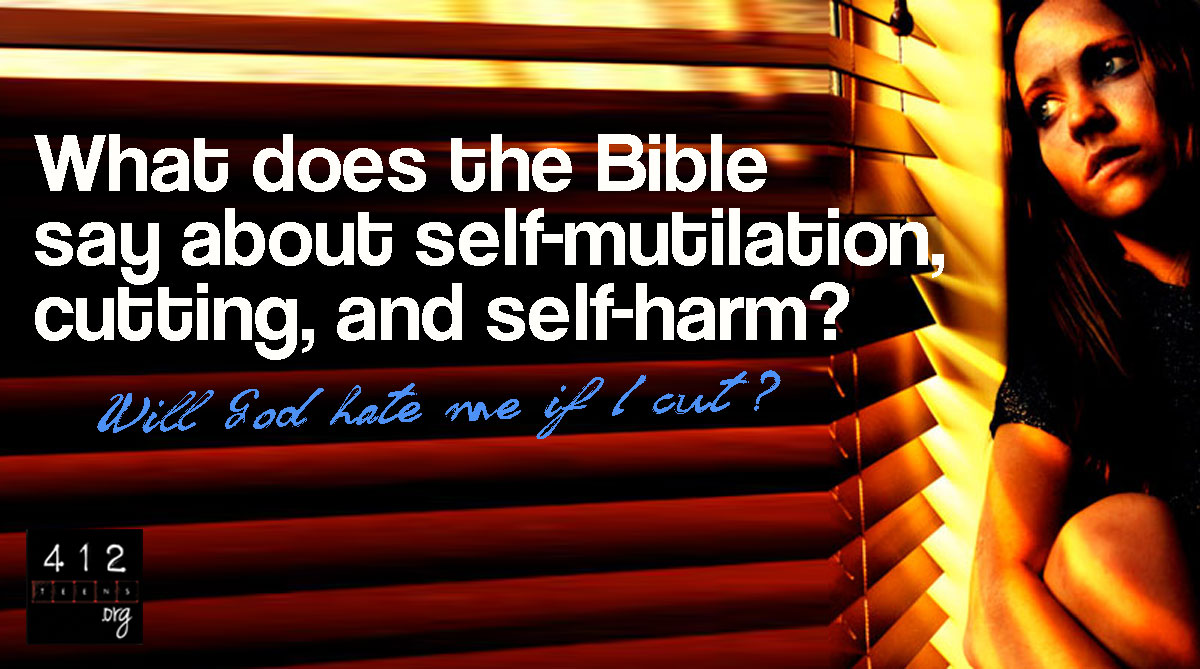
Have you ever wondered what the Bible says about self-harm? In times of struggle and pain, turning to the Word of God can provide comfort, guidance, and hope. Understanding how the Bible addresses issues related to self-harm can offer solace and healing to those who may be struggling with this deeply personal issue.
In this blog post, we will explore key scriptures and teachings from the Bible that shed light on the topic of self-harm. By delving into these verses and reflecting on their messages, readers can gain insight into how to navigate feelings of despair and find strength in God’s love and grace. Join us on this journey of exploration and discovery as we uncover the wisdom and compassion the Bible offers on the sensitive issue of self-harm.
Understanding self-harm through the lens of the Bible: An exploration of its teachings and guidance.
Self-harm, also known as self-injury or self-mutilation, is a complex issue that affects many individuals, including some who seek answers and guidance from the Bible. While the Bible does not directly address self-harm as a specific behavior, it does offer guidance, wisdom, and comfort for those struggling with emotional pain and suffering.
Genesis 1:27 reminds us that we are created in the image of God, which speaks to our intrinsic value and worth as human beings. This verse emphasizes the importance of self-care and treating our bodies with respect and dignity.
In 1 Corinthians 6:19-20, the Bible teaches that our bodies are temples of the Holy Spirit, and we are called to honor God with our bodies. This passage highlights the significance of caring for ourselves physically, emotionally, and spiritually.
Psalm 34:17-20 reassures us that the Lord is close to the brokenhearted and saves those who are crushed in spirit. This powerful message offers hope and comfort to individuals struggling with emotional pain and despair.
Proverbs 4:23 urges us to guard our hearts, for everything we do flows from it. This verse emphasizes the importance of taking care of our mental and emotional well-being, as our thoughts and feelings can greatly impact our actions.
It’s important to remember that seeking help and support is not a sign of weakness but a step toward healing and wholeness. If you or someone you know is struggling with self-harm, reach out to a trusted friend, family member, counselor, or mental health professional for assistance.
Ultimately, while the Bible may not explicitly address self-harm, its teachings on self-care, love, and the value of human life can provide comfort and guidance to those grappling with this challenging issue. Remember that you are loved, valued, and worthy of help and healing.
What does the Bible say about harming your body?
The Bible teaches us that our bodies are temples of the Holy Spirit and that we should take care of them. In 1 Corinthians 6:19-20 (NIV) it says, “Do you not know that your bodies are temples of the Holy Spirit, who is in you, whom you have received from God? You are not your own; you were bought at a price. Therefore honor God with your bodies.” This verse emphasizes the importance of respecting and caring for our bodies as they are given to us by God. Additionally, in 1 Corinthians 3:16-17 (NIV) it also states, “Don’t you know that you yourselves are God’s temple and that God’s Spirit dwells in your midst? If anyone destroys God’s temple, God will destroy that person; for God’s temple is sacred, and you together are that temple.” This highlights the seriousness of harming our bodies, as it goes against God’s plan for us as His temples.
What does the Bible say about self-suffering?
The Bible does not specifically address the concept of self-suffering. However, it does contain teachings on suffering in general.
One important aspect to consider is the idea of taking up our cross and following Jesus. In Matthew 16:24, Jesus says, “If anyone would come after me, let him deny himself and take up his cross and follow me.” This passage suggests that as Christians, we may face suffering or hardship in following Christ.
Additionally, the apostle Paul speaks about suffering for the sake of Christ in several of his letters. In Philippians 1:29, he writes, “For it has been granted to you that for the sake of Christ you should not only believe in him but also suffer for his sake.” This implies that suffering may be a part of the Christian journey.
Ultimately, the Bible emphasizes trusting in God during times of suffering. In 1 Peter 4:19, it says, “Therefore let those who suffer according to God’s will entrust their souls to a faithful Creator while doing good.” This verse encourages believers to lean on God during difficult times and continue to do what is right.
While the Bible does not explicitly endorse self-suffering, it does provide guidance on how to navigate suffering in a way that honors God and strengthens our faith.
Where in the Bible does it say to your own hurt?
The phrase “to your own hurt” is found in Psalm 15:4 in the Bible. The verse says: “In whose eyes a vile person is contemned; but he honoureth them that fear the Lord. He that sweareth to his own hurt, and changeth not.” (KJV)
How does God feel about killing in self-defense?
In the Bible, there are instances where self-defense is mentioned. One of the key passages often referred to is found in Exodus 22:2-3, which states: “If a thief is caught breaking in at night and is struck a fatal blow, the defender is not guilty of bloodshed; but if it happens after sunrise, the defender is guilty of bloodshed.” This passage suggests that self-defense resulting in the death of an intruder at night is considered justifiable.
Another relevant passage is found in the New Testament in Luke 22:36, where Jesus instructs his disciples to sell their cloaks and buy swords. While this passage has been interpreted in different ways, some see it as giving permission for self-defense in certain situations.
Overall, the Bible does recognize the right to defend oneself in certain circumstances, particularly when facing imminent harm. However, it also emphasizes the value of human life and urges individuals to seek peaceful resolutions whenever possible.